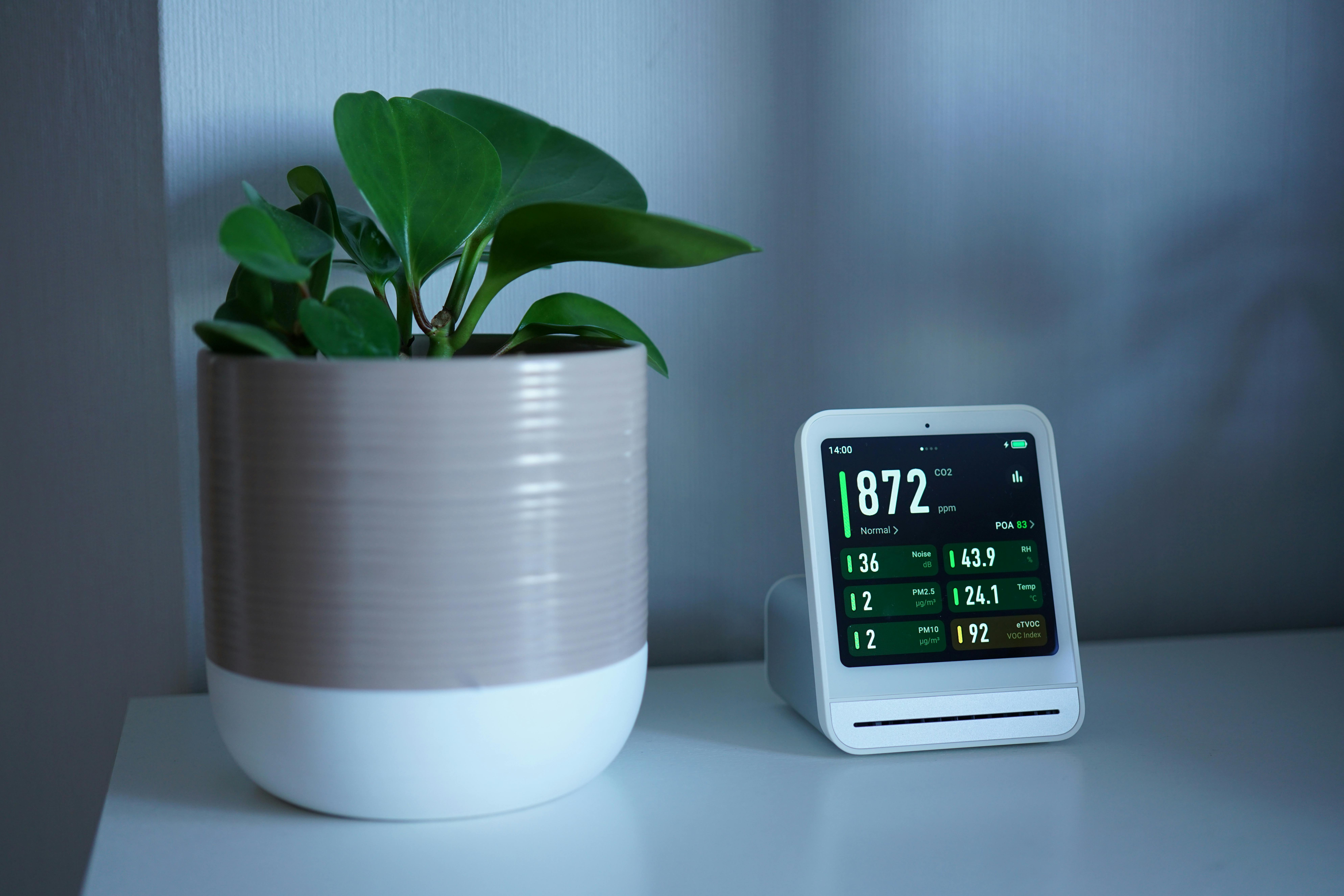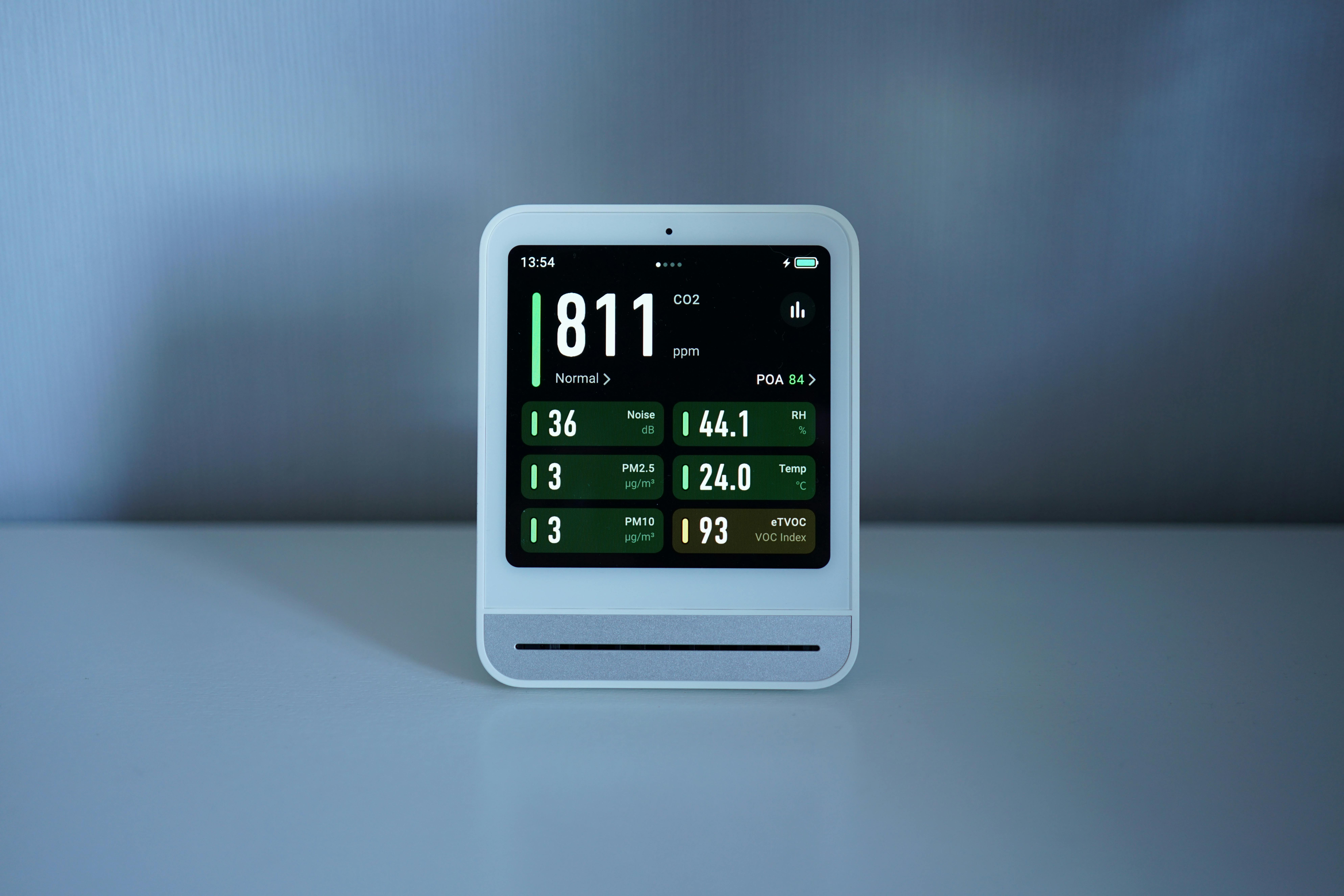
Communities worldwide are reclaiming control over their environmental health through affordable, DIY sensors that detect everything from air quality to water contamination, transforming citizen science forever.

🌍 The Dawn of Democratic Data Collection
For decades, environmental monitoring remained the exclusive domain of government agencies and large research institutions. These organizations possessed the expensive equipment and technical expertise necessary to measure pollution, track weather patterns, and assess ecosystem health. Citizens concerned about their immediate environment had little recourse beyond filing complaints and hoping for official investigations that might never materialize.
The democratization of sensor technology changed everything. As microprocessors became cheaper and open-source software proliferated, DIY enthusiasts and concerned citizens discovered they could build their own environmental monitoring devices for a fraction of traditional costs. What began as scattered experiments by hobbyists evolved into a global movement reshaping how communities understand and respond to local challenges.
Today, thousands of grassroots sensor networks operate across continents, generating real-time data about air quality, noise pollution, radiation levels, water contamination, and dozens of other environmental parameters. This data doesn’t just sit in databases—it empowers communities to advocate for change, make informed decisions, and hold polluters accountable.
🔧 Building Blocks: What Makes DIY Sensors Possible
The DIY sensor revolution rests on several technological foundations that converged over the past two decades. Affordable microcontrollers like Arduino and Raspberry Pi brought computing power within reach of average citizens. These tiny computers cost between $5 and $50, compared to thousands of dollars for professional data acquisition systems.
Sensor modules themselves became remarkably inexpensive. A particulate matter sensor capable of measuring PM2.5 and PM10 particles—key indicators of air quality—now costs around $15. Temperature and humidity sensors run under $5. Even relatively sophisticated gas sensors for detecting volatile organic compounds or carbon monoxide retail for $20-30.
Open-source software provided the final piece. Platforms like Arduino IDE allowed non-programmers to write basic code, while libraries created by volunteer developers simplified complex tasks. Communities could share code, troubleshoot problems together, and build on each other’s innovations without proprietary restrictions or licensing fees.
Essential Components of Community Sensor Projects
- Microcontroller boards: Arduino, Raspberry Pi, or ESP32 serve as the device’s brain
- Sensor modules: Specialized components that detect specific environmental parameters
- Power systems: Battery packs or solar panels for remote deployment
- Connectivity: WiFi, cellular, or LoRaWAN modules to transmit data
- Enclosures: Weather-resistant housing to protect electronics outdoors
- Data platforms: Cloud services or local servers to collect and visualize information
🏭 From Concern to Action: Real-World Success Stories
The practical impact of community sensor networks extends far beyond collecting interesting data. In countless neighborhoods worldwide, DIY monitoring has catalyzed tangible improvements in environmental health and quality of life.
In Louisville, Kentucky, residents of the Rubbertown industrial district grew frustrated with official air quality monitoring stations located miles from pollution sources. They deployed their own network of low-cost sensors throughout the neighborhood, documenting pollution spikes that official monitors missed entirely. Their data convinced city officials to implement stricter emissions controls on nearby factories, resulting in measurable air quality improvements within two years.
Similar stories emerged from Brussels, where citizen scientists created a dense network of noise pollution sensors. Their data revealed that quiet residential streets were being used as shortcuts by heavy trucks avoiding main thoroughfares. Armed with hard evidence, residents successfully lobbied for traffic calming measures and enforcement of existing weight restrictions.
Water Quality Warriors
Water monitoring represents another frontier for DIY sensors. In Flint, Michigan, during the water crisis, citizen scientists used conductivity sensors and simple chemical tests to document contamination patterns official statements contradicted. Their independent verification gave residents confidence to reject assurances that water was safe when it clearly wasn’t.
Indigenous communities in Canada deployed water sensors in streams and rivers to monitor industrial runoff from mining and logging operations. The continuous monitoring provided early warning of contamination events and created accountability where regulatory oversight proved inadequate.
📊 Understanding the Data: Citizen Science Meets Real Science
A legitimate question arises: can inexpensive DIY sensors produce data reliable enough for decision-making? The answer involves understanding both the capabilities and limitations of these devices.
Professional-grade environmental monitors often cost $10,000-50,000 because they provide extremely precise measurements with rigorous calibration and quality control. They’re essential for regulatory compliance and scientific research requiring high accuracy. However, for many community purposes, knowing whether pollution is “bad” versus “very bad” matters more than distinguishing between 35.2 and 35.7 micrograms per cubic meter.
DIY sensors excel at detecting patterns, trends, and relative differences. A network of dozens of low-cost sensors often provides better spatial coverage than a single expensive monitor, revealing localized hotspots and variation across neighborhoods. When properly calibrated against reference instruments, DIY sensors can achieve accuracy sufficient for identifying problems worthy of investigation.
| Parameter | DIY Sensor Cost | Professional Equipment Cost | Community Use Cases |
|---|---|---|---|
| PM2.5 Air Quality | $15-50 | $5,000-20,000 | Tracking pollution sources, documenting exposure |
| Temperature/Humidity | $5-15 | $500-2,000 | Urban heat island mapping, weather monitoring |
| Water pH/Conductivity | $30-80 | $1,000-5,000 | Stream monitoring, contamination detection |
| Noise Levels | $20-60 | $2,000-8,000 | Traffic noise documentation, industrial monitoring |
🤝 Building Networks: Collaboration Makes Communities Stronger
Individual sensors provide valuable data points, but networks create transformative understanding. When dozens or hundreds of sensors operate simultaneously across a region, patterns emerge that single measurements could never reveal.
The Smart Citizen project exemplifies this collaborative approach. Starting in Barcelona, it expanded to dozens of cities worldwide. Participants build identical sensor kits following open-source designs, ensuring data comparability. The platform aggregates readings into interactive maps showing real-time conditions across entire metropolitan areas.
Purple Air, another community-driven network, has grown to include over 20,000 air quality sensors globally. Their map interface allows anyone to see current conditions in their neighborhood and compare readings over time. During wildfire season in western North America, Purple Air provides granular information about smoke impacts that official monitoring networks miss.
The Power of Shared Infrastructure
Community sensor networks benefit from shared technical infrastructure. Data platforms like Thingspeak, Adafruit IO, and opensensemap provide free hosting for sensor data with built-in visualization tools. Communities avoid reinventing the wheel while maintaining ownership of their information.
Communication protocols like LoRaWAN enable sensors to transmit data over several kilometers using minimal power, perfect for monitoring remote locations. Community-operated LoRaWAN gateways create public infrastructure that any sensor can utilize, fostering innovation without requiring each project to solve connectivity independently.
⚡ Overcoming Challenges: What Communities Learn Along the Way
DIY sensor projects rarely proceed without obstacles. Technical challenges, funding constraints, and community engagement difficulties test every initiative. However, these challenges often yield valuable lessons that strengthen both projects and communities.
Calibration represents a persistent technical hurdle. Sensors drift over time, requiring periodic comparison against reference instruments to maintain accuracy. Communities address this through partnerships with universities, environmental agencies, or shared ownership of reference equipment that multiple projects utilize.
Weather protection poses another challenge. Electronics and moisture don’t mix, yet environmental sensors must operate outdoors. Communities developed ingenious solutions: PVC pipe enclosures with ventilation, repurposed outdoor electrical boxes, even 3D-printed housings designed specifically for different sensor types. Online repositories now share proven designs, allowing new projects to benefit from years of experimentation.
Sustaining Momentum Beyond Initial Enthusiasm
The most difficult challenge isn’t technical—it’s maintaining community engagement. Projects often launch with excitement but struggle when initial enthusiasm wanes. Successful initiatives build sustainability through several strategies:
- Creating regular data interpretation sessions where community members discuss findings together
- Developing clear pathways from data to action, so monitoring connects to tangible improvements
- Involving schools and youth groups to create educational opportunities and generational continuity
- Establishing partnerships with local government or organizations that value the data
- Celebrating milestones and acknowledging volunteer contributions publicly
🎓 Learning by Doing: Educational Transformation
DIY sensor projects create unexpected educational opportunities extending far beyond environmental science. Participants gain practical experience with electronics, programming, data analysis, and scientific methodology while working toward meaningful community goals.
Schools increasingly incorporate sensor building into STEM curricula. Students learn soldering, coding, and data visualization through projects investigating real questions about their community’s environment. The tangible output—functioning sensors providing useful information—motivates learning in ways traditional textbook exercises cannot match.
Adult education also flourishes around sensor projects. Library makerspaces host workshops teaching basic electronics through sensor construction. Community colleges offer courses on environmental monitoring that combine theory with hands-on device building. These educational initiatives reach audiences traditionally excluded from technical fields, democratizing access to knowledge alongside access to data.
🚀 Looking Forward: The Evolution Continues
The DIY sensor movement continues evolving as technology advances and communities imagine new applications. Machine learning algorithms now run on microcontrollers, enabling sensors to identify specific pollution sources or detect anomalies automatically. Solar panels and improved batteries extend deployment duration, reducing maintenance requirements.
New sensor types expand monitoring capabilities. Acoustic sensors identify bird species, tracking biodiversity changes over time. Optical sensors detect microplastics in water. Radiation sensors create crowdsourced networks providing early warning of nuclear incidents. Each innovation opens possibilities for communities to understand and protect their environment better.
Integration with existing municipal infrastructure represents an emerging frontier. Forward-thinking cities partner with community sensor networks rather than viewing them as competitors. Citizen-generated data supplements official monitoring, creating comprehensive coverage impossible for government agencies to achieve alone. This collaboration validates community science while improving public services.
💡 Practical Wisdom for Communities Ready to Start
Communities considering sensor projects benefit from lessons learned by pioneers. Starting small with clearly defined goals prevents overwhelm and builds confidence. Monitoring one parameter well beats attempting to measure everything poorly.
Partnering with existing organizations provides crucial support. Universities offer technical expertise and equipment access. Environmental nonprofits contribute advocacy experience and connections to decision-makers. Civic tech groups provide software development skills and hosting infrastructure.
Documentation matters enormously. Projects that carefully document their methods, code, and designs enable others to replicate their work. This contribution to the commons multiplies impact far beyond the original community.
Essential First Steps
- Identify the specific environmental question your community wants to answer
- Research existing projects addressing similar questions to learn from their experience
- Start with a pilot deployment of 3-5 sensors before scaling up
- Establish partnerships with technical experts who can provide guidance
- Create communication channels for participants to share updates and troubleshoot together
- Develop a plan for using the data to drive actual change

🌟 Transforming More Than Data: Community Empowerment
The most profound impact of DIY sensors extends beyond environmental monitoring. These projects transform communities by building technical capacity, fostering collaboration, and proving that ordinary people can address complex challenges without waiting for permission or resources from authorities.
Participants gain confidence through mastering technical skills they previously considered beyond their reach. Neighbors who barely knew each other form bonds working toward shared goals. Communities develop collective efficacy—the belief that together, they can improve their circumstances.
This empowerment often catalyzes action on other community issues. Groups that successfully deployed sensor networks apply their organizational skills to affordable housing campaigns, public space improvements, or transit advocacy. The sensors become training grounds for civic engagement extending far beyond environmental monitoring.
When communities generate their own data, they reclaim narrative control. Rather than depending on experts to tell them whether their concerns are valid, they possess concrete evidence documenting conditions in their own neighborhoods. This evidence provides standing to demand action and credibility when challenging official accounts.
The DIY sensor revolution demonstrates that powerful tools for understanding and improving our world need not remain the exclusive province of institutions and experts. With creativity, collaboration, and commitment, communities worldwide are proving that local solutions to local problems emerge most effectively from the people experiencing those problems firsthand. Their success inspires countless other communities to recognize their own capacity for positive change, one sensor at a time. 🌱