Building DIY sensors doesn’t have to drain resources or harm the environment. Combining battery power with solar energy creates sustainable, long-lasting monitoring solutions that work efficiently year-round.

🔋 Why Power Management Matters for DIY Sensor Projects
When you invest time and creativity into building custom sensors for your home, garden, or environmental monitoring projects, the last thing you want is constant battery replacements or power failures. Traditional approaches often rely solely on disposable batteries, creating ongoing costs and environmental waste. Modern DIY enthusiasts are discovering that hybrid power systems combining rechargeable batteries with solar panels offer the perfect balance of reliability, sustainability, and cost-effectiveness.
The beauty of DIY sensor projects lies in their flexibility and customization potential. Whether you’re monitoring soil moisture in your garden, tracking temperature and humidity in your greenhouse, measuring air quality around your property, or creating a complete home automation system, power management becomes the foundation of reliable operation. A well-designed power system ensures your sensors remain operational 24/7, collecting valuable data without interruption.
Understanding Your Sensor’s Power Requirements
Before selecting batteries and solar panels, you need to calculate your sensor’s energy consumption accurately. Different sensors and microcontrollers have vastly different power requirements that directly impact your system design.
Calculating Power Consumption 📊
Start by identifying the current draw of each component in your sensor system. Most Arduino boards consume between 20-50 milliamps when active, while ESP8266 and ESP32 boards can draw 80-170 milliamps during WiFi transmission. Sensors themselves typically use anywhere from 0.5 to 50 milliamps depending on their complexity.
The key metric you need to understand is milliamp-hours (mAh), which tells you how much current your system draws over time. For example, if your sensor setup draws 50 milliamps continuously, it consumes 1,200 mAh over 24 hours (50mA × 24 hours). This calculation becomes the foundation for sizing your battery and solar panel appropriately.
Implementing Sleep Modes for Extended Battery Life
The most effective way to maximize efficiency is programming your microcontroller to enter deep sleep mode between sensor readings. Modern microcontrollers can reduce power consumption from tens of milliamps down to just a few microamps during sleep cycles. An ESP8266 that normally draws 80mA can operate on less than 20 microamps in deep sleep mode – that’s a reduction of over 99%!
Consider a practical example: a temperature sensor that takes a reading every 15 minutes. If the active reading and transmission takes 10 seconds at 80mA, but sleeps at 0.02mA for the remaining 890 seconds, the average power consumption drops dramatically. Instead of consuming 1,920 mAh per day, your system might use only 50-100 mAh daily. This difference transforms battery life from days into months.
Choosing the Right Battery Technology 🔋
Battery selection significantly impacts your sensor’s performance, longevity, and maintenance requirements. Several battery chemistries work well for DIY sensor applications, each with distinct advantages.
Lithium-Ion and LiPo Batteries
Lithium polymer and lithium-ion batteries have become the gold standard for DIY electronics projects. These batteries offer excellent energy density, meaning they pack substantial power into compact, lightweight packages. A typical 18650 lithium-ion cell provides 2,500-3,500 mAh at 3.7 volts, while remaining small enough to fit in weatherproof enclosures.
The key advantages include minimal self-discharge (they retain charge well when not in use), hundreds of charge-discharge cycles, and compatibility with solar charging circuits. However, lithium batteries require proper charging management to prevent overcharging, over-discharging, and temperature-related issues. Always use a dedicated charging module like the TP4056 that includes protection circuitry.
Nickel Metal Hydride (NiMH) Batteries
NiMH rechargeable batteries offer a more affordable and stable alternative to lithium chemistry. These batteries handle temperature variations better than lithium cells and pose fewer safety concerns. Common AA or AAA NiMH cells work perfectly for many sensor projects, especially those operating in outdoor conditions where temperature fluctuations occur.
While NiMH batteries have lower energy density than lithium options, their robustness and simplicity make them excellent choices for beginners. They’re also more forgiving of charging irregularities, which matters when solar power varies with weather conditions.
Lead-Acid Batteries for Larger Systems
For stationary sensors or systems requiring substantial power reserves, small sealed lead-acid (SLA) batteries provide reliable, cost-effective energy storage. These batteries excel in applications where weight isn’t a concern and long-term reliability matters most. A 12V 7Ah SLA battery can power multiple sensors for weeks without sunlight.
☀️ Solar Panel Selection and Sizing
Matching your solar panel to your battery and power consumption ensures your sensor remains operational regardless of weather conditions. Undersized panels leave batteries chronically undercharged, while oversized panels waste money without providing additional benefits.
Calculating Required Solar Panel Capacity
A practical rule of thumb suggests sizing your solar panel to generate 2-3 times your daily energy consumption on average. This oversizing compensates for cloudy days, seasonal variations in sunlight, and panel inefficiencies. If your sensor consumes 100 mAh daily at 5 volts (0.5 watt-hours), you need a panel capable of generating 1-1.5 watt-hours daily.
Remember that solar panel ratings reflect ideal conditions with direct sunlight. Real-world performance typically reaches only 60-80% of rated capacity. A 5-watt panel might realistically deliver 3-4 watts in typical outdoor conditions. During winter months or in locations with frequent cloud cover, actual output can drop to 25-40% of rated capacity.
Types of Solar Panels for DIY Projects
Small polycrystalline and monocrystalline panels between 2-10 watts work perfectly for most sensor applications. Monocrystalline panels offer slightly better efficiency and perform marginally better in low-light conditions, while polycrystalline panels typically cost less. For DIY sensor projects, this difference rarely matters significantly – focus instead on physical size, mounting options, and price.
Flexible solar panels provide interesting alternatives when you need curved mounting surfaces or extremely lightweight installations. These panels work well for temporary deployments or mobile sensors, though they generally cost more per watt than rigid panels.
Building Your Power Management Circuit 🔧
The electronics connecting your solar panel, battery, and sensor determine system reliability and efficiency. A well-designed power management system protects your battery, maximizes solar charging efficiency, and delivers clean power to your sensors.
Essential Components for Solar Battery Charging
At minimum, you need a charge controller between your solar panel and battery. For lithium batteries, TP4056 modules provide complete charging management with over-charge and over-discharge protection in a tiny, inexpensive package. These modules accept solar panel input and safely charge single-cell lithium batteries while preventing damage from overcharging.
For larger systems or different battery chemistries, dedicated solar charge controllers like the CN3065 or specialized MPPT (Maximum Power Point Tracking) controllers optimize charging efficiency. MPPT controllers extract maximum power from solar panels under varying light conditions, improving charging performance by 20-30% compared to basic controllers.
Voltage Regulation and Distribution
Most sensors and microcontrollers require stable voltage regardless of battery charge level. Buck-boost converters maintain constant output voltage even as battery voltage fluctuates during charging and discharging. The popular MT3608 boost converter can step up battery voltage to 5V for Arduino boards, while LM2596 buck converters step down higher voltages efficiently.
Low-dropout (LDO) regulators like the HT7333 or MCP1700 provide extremely clean power with minimal quiescent current – important for maintaining efficiency during sleep modes. Some LDO regulators consume less than 2 microamps themselves, ensuring they don’t drain your battery while your sensor sleeps.
Weatherproofing and Outdoor Installation Considerations 🌦️
Outdoor sensor deployments face challenges from moisture, temperature extremes, and physical damage. Proper enclosure selection and installation techniques ensure long-term reliability.
Selecting Appropriate Enclosures
IP-rated enclosures protect electronics from water and dust ingress. For most outdoor applications, IP65 or higher ratings provide adequate protection. These enclosures feature gasket seals and secure closures that keep moisture out while allowing cable entry through strain-relief glands.
Consider thermal management when enclosing electronics. Dark enclosures in direct sunlight can reach temperatures exceeding 60°C (140°F), potentially damaging batteries and electronics. White or light-colored enclosures reflect heat, while ventilation holes with waterproof membranes allow heat escape without permitting water entry.
Solar Panel Mounting and Orientation
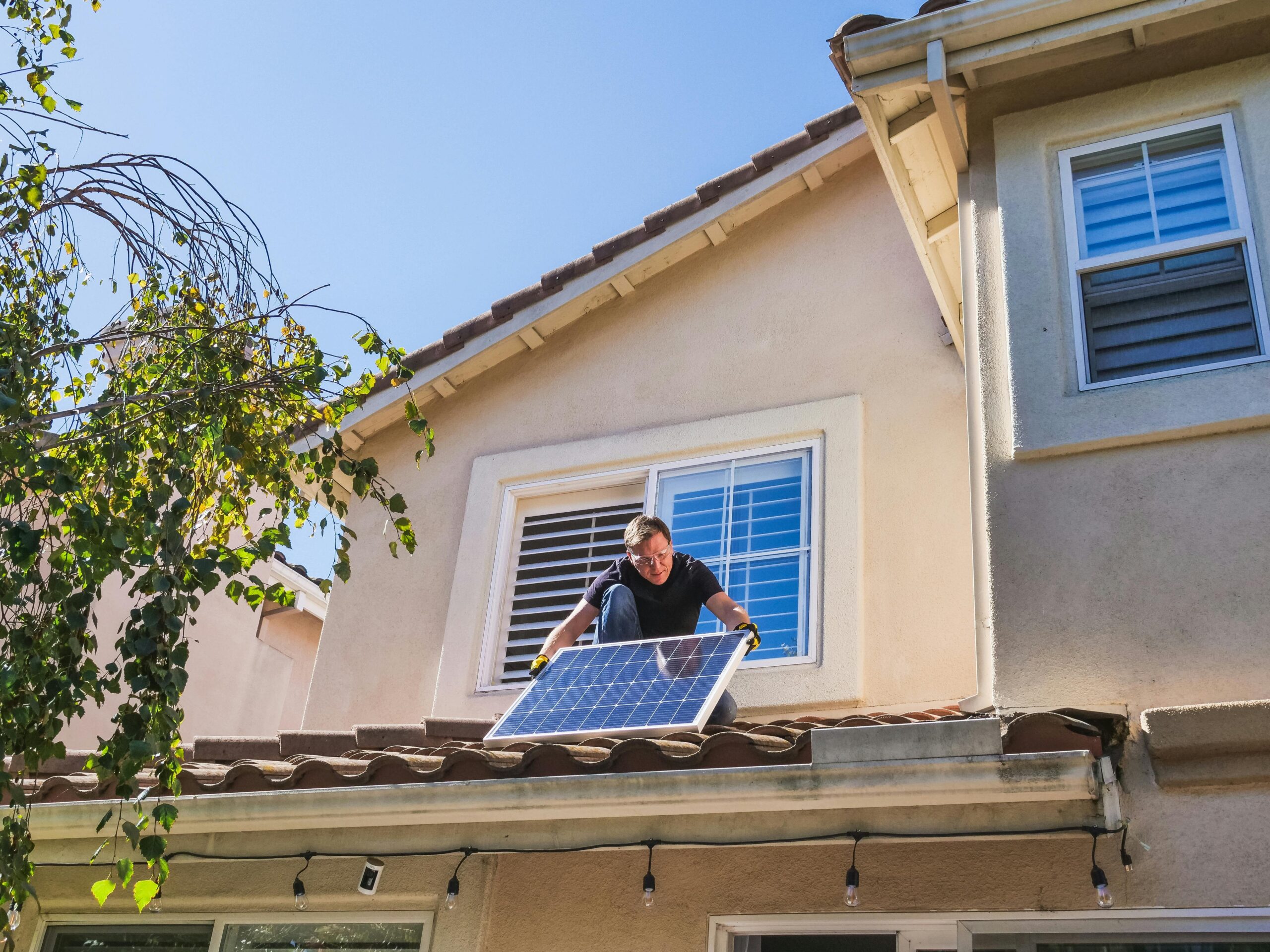
Position solar panels to maximize sun exposure throughout the day. In northern hemisphere locations, south-facing panels tilted at an angle matching your latitude capture optimal sunlight year-round. However, many DIY installations work perfectly well with horizontal mounting or other orientations when space constraints or aesthetics dictate.
Secure mounting prevents wind damage and ensures panels maintain their orientation. Simple brackets made from aluminum angle or 3D-printed parts work well for permanent installations. Use stainless steel hardware to prevent rust, and ensure all electrical connections remain weatherproof.
Monitoring and Optimizing System Performance 📈
After deploying your solar-powered sensor, ongoing monitoring helps identify issues and optimize performance. Building in diagnostic capabilities provides visibility into system health.
Battery Voltage Monitoring
Adding simple voltage monitoring to your sensor code helps track battery health and charging performance. Most microcontrollers include analog-to-digital converters (ADCs) that can measure battery voltage through a voltage divider. By logging battery voltage alongside sensor data, you can identify charging problems, excessive power consumption, or battery degradation.
Set up alerts when battery voltage drops below critical thresholds. This early warning system lets you address problems before your sensor stops functioning. For lithium batteries, voltages below 3.3V indicate critical discharge levels requiring immediate attention.
Optimizing Sleep Cycles and Data Transmission
Fine-tune your sensor’s sleep duration based on actual performance data. If battery voltage remains consistently high, you might increase measurement frequency or add additional sensors. Conversely, if voltage trends downward, extend sleep periods or reduce transmission frequency.
Wireless transmission consumes significant power – often 10-20 times more than sensor readings. Batch multiple readings and transmit them together rather than sending data after each measurement. This approach reduces the total time spent in high-power transmission mode, dramatically extending battery life.
🌱 Real-World Applications and Project Ideas
Solar-powered sensor systems excel in numerous practical applications where running wired power proves impractical or impossible.
Agricultural and Garden Monitoring
Soil moisture sensors powered by solar energy help optimize irrigation schedules, conserving water while ensuring plants receive adequate moisture. Place sensors at various depths and locations throughout your garden, with each unit independently powered and transmitting data wirelessly to a central hub. This distributed monitoring approach provides detailed insights into soil conditions without trenching cables across your property.
Environmental Data Collection
Weather stations, air quality monitors, and water quality sensors benefit enormously from solar power. Deploy sensors in remote locations without electrical infrastructure – alongside streams, in forests, or across large properties. Solar power enables long-term data collection for environmental research, citizen science projects, or personal curiosity about local conditions.
Home Automation and Security
Motion sensors, door/window monitors, and camera systems can operate independently with solar power and battery backup. These systems maintain functionality even during power outages, providing reliable security monitoring. Wireless solar-powered sensors eliminate the need for complicated wiring during installation and support flexible placement wherever monitoring is needed.
Troubleshooting Common Issues 🔍
Even well-designed systems occasionally encounter problems. Understanding common issues helps maintain reliable operation.
Insufficient Charging During Winter Months
Reduced daylight hours and lower sun angles challenge solar charging in winter. If your sensor struggles during this season, consider increasing battery capacity to store more energy during sunny periods. Alternatively, clean solar panels regularly – dust, pollen, and debris significantly reduce charging efficiency. Sometimes simply adjusting panel angle seasonally improves winter performance.
Battery Degradation Over Time
All rechargeable batteries eventually degrade and hold less charge. Lithium batteries typically provide 300-500 full charge cycles before capacity drops noticeably. If your previously reliable sensor starts experiencing power problems after a year or more of operation, battery replacement often resolves the issue immediately.
Sensor Malfunctions and False Readings
Voltage fluctuations or inadequate power can cause erratic sensor behavior. Ensure your voltage regulation provides stable power within each component’s specified range. Adding capacitors near sensors and microcontrollers smooths voltage spikes and improves reliability. A 100µF capacitor across power rails often eliminates intermittent problems.
Future-Proofing Your Solar Sensor Network 🚀
Building modular, expandable systems ensures your investment grows with your needs. Design sensor nodes with standard interfaces and communication protocols that support adding new sensors or upgrading components without rebuilding everything from scratch.
Consider using protocols like MQTT for data transmission – these standardized approaches simplify integration with home automation platforms, cloud services, and custom applications. Popular platforms like Home Assistant, Node-RED, and Blynk work seamlessly with DIY sensors using standard communication methods.
Document your designs thoroughly, including circuit diagrams, parts lists, and configuration settings. Future you will appreciate detailed notes when modifying or repairing systems months or years after initial construction. Photograph your installations before closing enclosures – these images prove invaluable during troubleshooting.
Embracing Sustainable Technology Independence 🌍
Creating solar-powered sensor systems represents more than just technical achievement – it demonstrates practical self-sufficiency and environmental responsibility. These projects reduce dependence on disposable batteries, minimize ongoing operational costs, and prove that sustainable technology solutions can match or exceed conventional approaches in performance and reliability.
The skills developed building these systems transfer to countless other applications. Understanding power management, solar energy collection, and efficient electronics design opens doors to increasingly sophisticated projects. Many hobbyists start with simple temperature sensors and progress to complex environmental monitoring networks, remote cameras, automated irrigation systems, and beyond.
Your solar-powered sensors can operate continuously for years with minimal maintenance, collecting valuable data and controlling systems reliably. This longevity and independence from grid power makes solar-battery combinations the ideal choice for DIY sensor enthusiasts committed to building sustainable, efficient monitoring solutions.
As renewable energy technology continues advancing and becoming more affordable, the capabilities of DIY solar-powered systems will only improve. Components that seemed exotic just years ago now appear in bargain electronics assortments. Today represents the perfect time to begin experimenting with solar-powered sensor systems, combining environmental consciousness with practical functionality in projects that deliver real value while treading lightly on our planet.