Communities worldwide are transforming how they monitor their environment through accessible, affordable DIY sensor networks that put the power of data collection directly into citizens’ hands.

🌍 The Dawn of Democratic Environmental Monitoring
Traditional environmental monitoring has long been the exclusive domain of government agencies, universities, and well-funded research institutions. These organizations deploy sophisticated equipment costing thousands of dollars, maintained by trained specialists, and accessible only to those with proper credentials. However, this paradigm is rapidly shifting as technology democratizes, making sensor networks affordable and manageable for everyday citizens.
The convergence of low-cost microcontrollers, open-source software, and wireless connectivity has created an unprecedented opportunity for communities to take environmental monitoring into their own hands. Arduino boards costing less than twenty dollars, Raspberry Pi computers available for under fifty, and sensors measuring everything from air quality to water contamination can now be purchased for pocket change compared to professional equipment.
This technological revolution isn’t just about affordability. It represents a fundamental shift in how we approach scientific inquiry and environmental stewardship. When communities build their own sensor networks, they’re not simply collecting data—they’re reclaiming agency over their local environment, making informed decisions based on hyperlocal information that might otherwise go unnoticed by larger monitoring systems.
📊 Understanding the Building Blocks of DIY Sensor Networks
Creating an effective community sensor network requires understanding several key components that work together harmoniously. At the foundation sits the microcontroller—the brain of your sensing station. Popular choices include Arduino boards for simplicity, ESP32 for built-in WiFi capabilities, or Raspberry Pi for more computing power and flexibility.
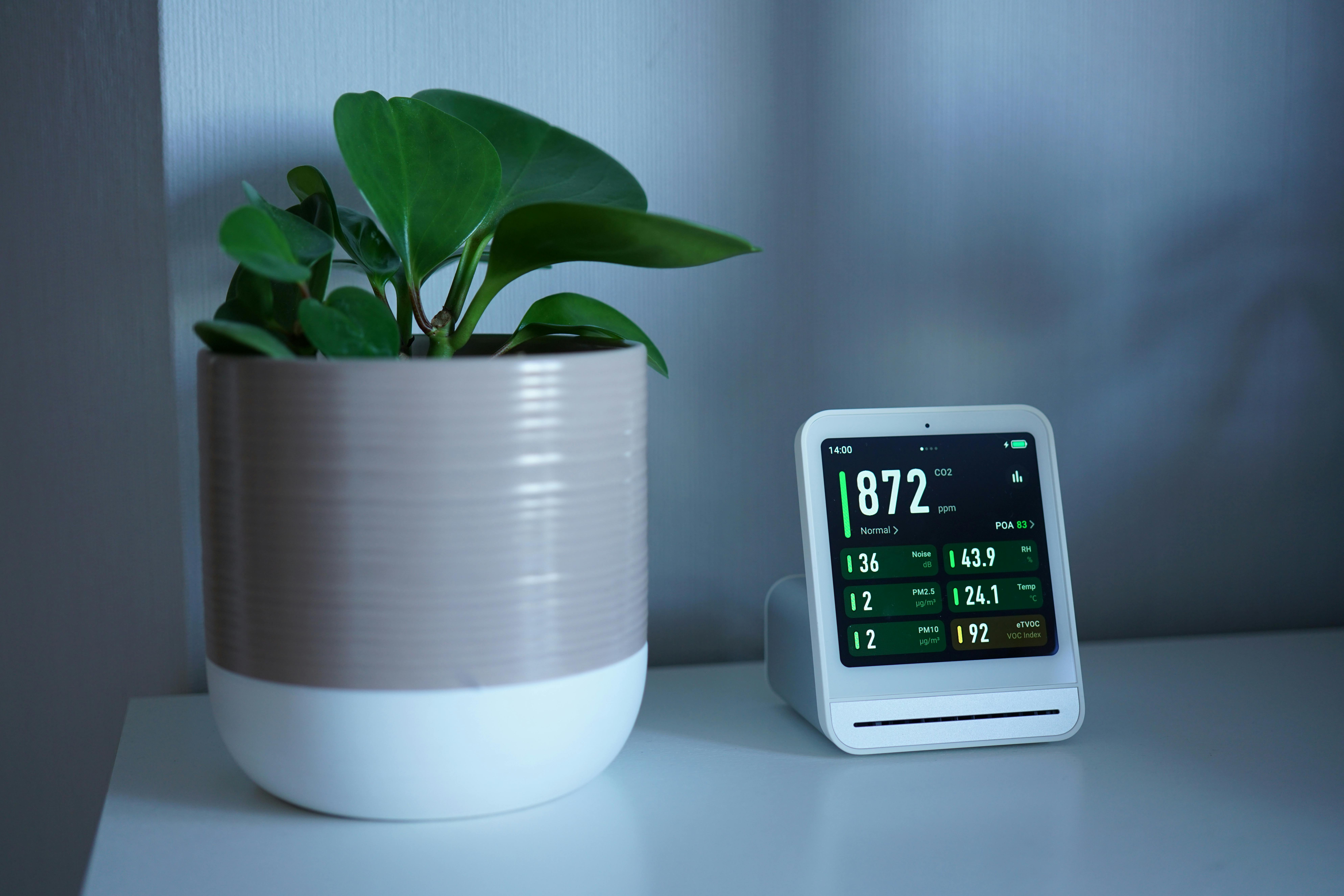
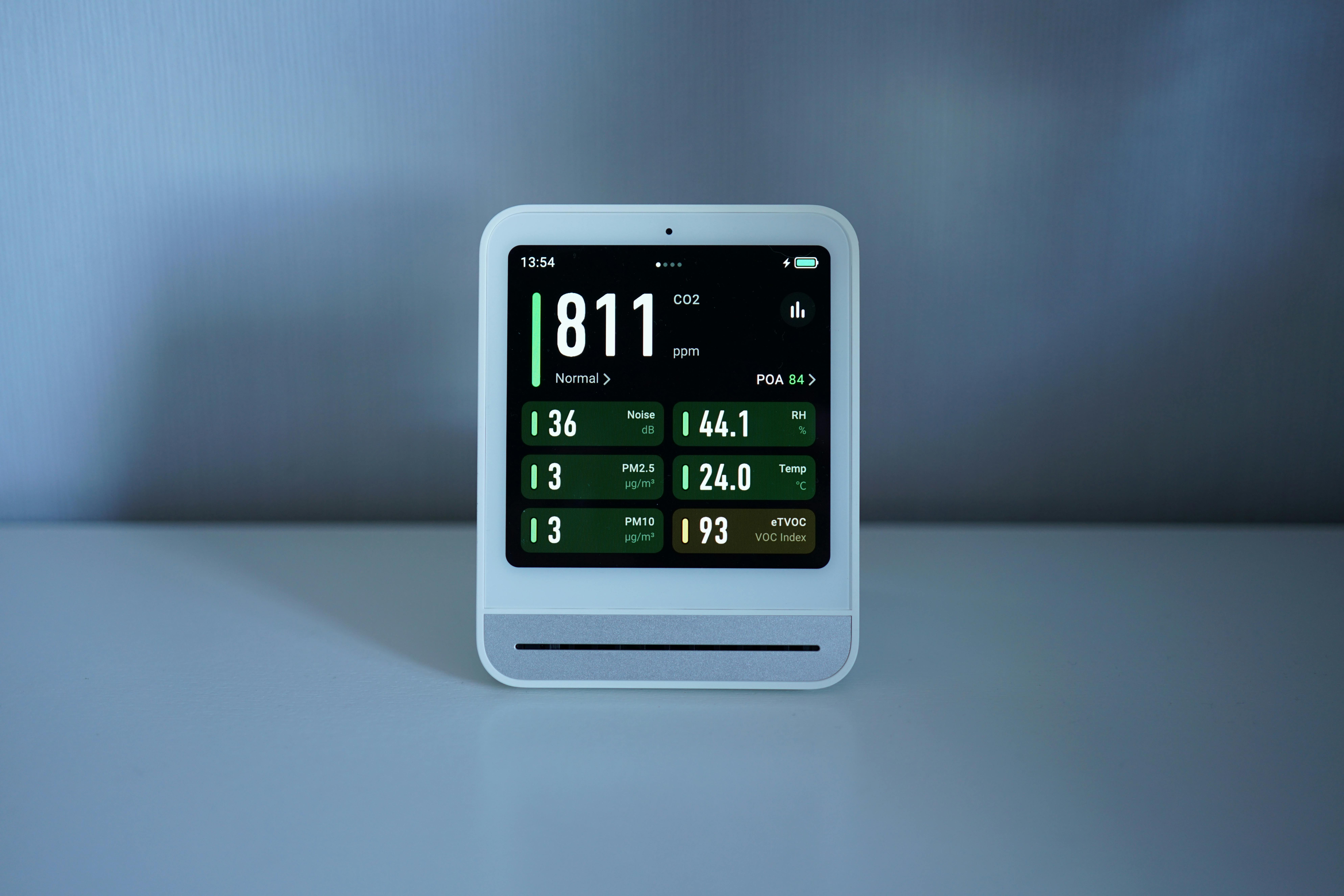
The sensors themselves vary widely depending on your community’s needs. Air quality sensors can detect particulate matter (PM2.5 and PM10), carbon dioxide levels, volatile organic compounds, and even specific pollutants like nitrogen dioxide. Water quality sensors measure pH levels, dissolved oxygen, turbidity, and temperature. Noise sensors track sound pollution levels, while weather stations monitor temperature, humidity, barometric pressure, and precipitation.
Essential Components for Your Sensor Station
- Microcontroller: Arduino Uno, ESP32, or Raspberry Pi Zero depending on complexity needs
- Environmental sensors: BME280 for temperature/humidity/pressure, PMS5003 for particulate matter
- Connectivity module: WiFi, LoRaWAN, or cellular depending on deployment location
- Power supply: USB power adapter, battery pack, or solar panel for remote locations
- Weatherproof enclosure: Protecting electronics from environmental elements
- Data storage: SD card for local backup or cloud services for real-time access
The connectivity layer determines how your sensors communicate their findings. WiFi works well for urban deployments with reliable internet access. LoRaWAN technology enables long-range, low-power communication ideal for rural or distributed networks. Cellular connectivity offers flexibility but incurs ongoing data costs. Many successful projects combine multiple connectivity options for redundancy.
🔧 Practical Steps to Launch Your Community Network
Starting a community sensor network begins with identifying what matters most to your neighborhood. Host community meetings to discuss environmental concerns. Is air quality near the industrial zone worrying parents? Are residents concerned about water quality in local streams? Does noise pollution from nearby highways affect quality of life? Understanding these priorities ensures your network addresses real community needs rather than collecting data for data’s sake.
Once you’ve identified monitoring priorities, assemble a core team combining different skill sets. You’ll need technical enthusiasts comfortable with basic electronics and programming, community organizers who can recruit participants and maintain engagement, educators who can explain findings to diverse audiences, and advocates who can translate data into policy recommendations.
Building Your First Sensor Station
Begin with a pilot station before scaling up. This prototype serves as both proof-of-concept and training tool. Choose a straightforward sensor like a temperature and humidity monitor paired with an Arduino board. Document every step of your build process with photographs and notes—this documentation becomes invaluable when replicating stations or troubleshooting issues.
The assembly process typically involves connecting sensors to your microcontroller according to wiring diagrams, uploading firmware that reads sensor values and transmits data, configuring network connectivity, and calibrating sensors against known references when accuracy matters. Start simple with basic measurements, then gradually add complexity as your team gains confidence.
Testing your prototype thoroughly before deployment prevents frustration later. Run your sensor station continuously for at least a week in a controlled environment, comparing its readings against reference measurements when possible. Check data transmission reliability, battery life if applicable, and whether your weatherproof enclosure actually keeps moisture out during rain.
📡 Creating a Robust Data Infrastructure
Your sensor hardware is only half the equation—managing the data stream requires equal attention. Open-source platforms like ThingSpeak, Grafana, or InfluxDB provide powerful visualization and storage capabilities without licensing fees. These platforms receive data from your sensors, store historical records, generate graphs and dashboards, and can trigger alerts when measurements exceed defined thresholds.
Data visualization transforms raw numbers into accessible insights. Well-designed dashboards should answer questions at a glance: Is air quality good or concerning right now? How does today’s reading compare to last week? Are trends improving or deteriorating? Interactive maps showing real-time readings across your network help community members understand spatial patterns.
Establishing data quality protocols maintains credibility. Implement automated checks flagging obviously erroneous readings, compare nearby sensors to identify outliers, schedule regular calibration maintenance, and document any station downtime or sensor replacements. Transparent data quality reporting builds trust with community members and policymakers who rely on your findings.
🌱 Engaging Your Community for Long-Term Success
Technology alone doesn’t create successful citizen science projects—sustained community engagement does. Make participating easy and rewarding. Host regular workshops teaching sensor assembly, offer pre-configured sensor kits for less technical participants, create installation parties where neighbors help each other deploy stations, and celebrate milestones as your network grows.
Communication strategies should reach beyond the technically inclined. Publish weekly data summaries in accessible language, share interesting findings on social media with compelling visualizations, present results at community board meetings and school assemblies, and create art projects incorporating environmental data to engage different audiences.
Educational Opportunities Worth Exploring
Schools represent natural partners for sensor networks. Students gain hands-on STEM experience while contributing meaningful data. Develop curriculum modules aligning with science standards, organize student competitions for sensor station designs, establish school-based monitoring stations maintained by science classes, and mentor student researchers analyzing network data for science fair projects.
Partner with local libraries, makerspaces, and community centers to expand reach. These venues can host sensor-building workshops, provide technical support hours for troubleshooting, display real-time data dashboards, and serve as hubs for community data discussions. Distributed support infrastructure prevents any single person from becoming overwhelmed.
💡 Amplifying Impact Through Data-Driven Advocacy
Collecting data achieves little without action. Successful community networks translate measurements into meaningful change. When your data reveals concerning patterns, present findings to local officials with specific recommendations. Hyperlocal data carries unique persuasive power that regional monitoring misses—officials can’t dismiss pollution hotspots when constituents document them systematically.
Build relationships with local media to amplify your findings. Journalists appreciate community-sourced data, especially when visualized compellingly. Prepare press-ready materials including concise fact sheets, striking visualizations, and quotes from affected residents. Time announcements strategically around relevant policy discussions or public health awareness events.
Collaborate with established environmental organizations and academic researchers. Your grassroots network provides ground truth data complementing their work, while they offer scientific expertise and advocacy resources. These partnerships validate your methodology, expand your impact, and create opportunities for grant funding to sustain and grow your network.
🚀 Scaling From Prototype to City-Wide Network
Once your pilot proves successful, strategic scaling requires careful planning. Identify priority deployment locations ensuring adequate spatial coverage, focusing on environmental justice communities often underserved by official monitoring, placing sensors near suspected pollution sources, and filling gaps in existing government monitoring networks.
Standardization becomes critical as networks grow. Establish consistent hardware specifications ensuring data comparability, create documented assembly procedures anyone can follow, develop troubleshooting guides for common issues, and implement version control for firmware updates. These standards prevent your network from becoming a patchwork of incompatible systems.
Sustainability Strategies for Mature Networks
Long-term operation requires sustainable funding models beyond initial enthusiasm. Successful networks diversify funding through small grants from community foundations, crowdfunding campaigns highlighting specific expansion goals, partnerships with universities treating your network as research infrastructure, municipal support recognizing the public benefit you provide, and modest membership fees covering hosting costs.
Distribute responsibilities to prevent burnout. Rotate coordination duties among core team members, assign station maintenance to nearby residents who benefit from that data, automate routine tasks like data quality checks and reporting, and document everything so knowledge doesn’t rest with single individuals. Succession planning ensures your network outlasts founding members.
🔬 Real-World Success Stories Lighting the Path
Communities worldwide demonstrate the transformative potential of DIY sensor networks. In California, residents near oil refineries deployed air quality sensors documenting pollution spikes during flaring events, leading to stricter operational regulations. Their hyperlocal monitoring revealed patterns official stations missed due to their distance from fence lines.
Amsterdam’s citizens built a noise monitoring network mapping sound pollution across neighborhoods. Their data influenced urban planning decisions, identifying areas needing traffic calming measures and informing zoning decisions for new residential developments. The project engaged over 10,000 participants, creating unprecedented spatial resolution in noise mapping.
In rural India, village communities monitor water quality in irrigation systems using low-cost sensors paired with mobile phones. Early detection of contamination protects public health and agricultural productivity. The network operates entirely on solar power with cellular connectivity, proving sophisticated environmental monitoring doesn’t require urban infrastructure.
⚡ Overcoming Common Challenges and Pitfalls
Every community sensor project encounters obstacles. Technical challenges include sensor calibration drift requiring periodic adjustment, connectivity issues in areas with weak signal coverage, power management for remote installations, and data transmission costs that accumulate unexpectedly. Address these proactively through robust enclosure design, backup connectivity options, solar power systems, and efficient data compression.
Social challenges often prove more difficult than technical ones. Maintaining volunteer engagement after initial enthusiasm fades requires ongoing communication and tangible wins. Some community members may distrust technology or question data accuracy. Others might feel excluded by technical jargon. Address these through patient education, transparent methodology documentation, and diverse participation pathways.
Navigating relationships with authorities requires diplomacy. Some officials welcome citizen data as complementary information, while others perceive it as criticism or doubt its reliability. Position your network as collaborative rather than adversarial, invite officials to validation exercises demonstrating data quality, and frame findings constructively focusing on solutions rather than blame.
🎯 The Future Landscape of Citizen Environmental Science
Emerging technologies promise even more powerful community networks. Machine learning algorithms can identify pollution sources by analyzing temporal patterns, predict environmental conditions hours in advance, and detect subtle changes indicating emerging problems. Integration with satellite imagery and official monitoring creates comprehensive environmental portraits combining multiple data sources.
Standardization efforts across citizen science networks enable unprecedented data sharing. Projects like OpenAQ aggregate air quality measurements from thousands of sources worldwide, while protocols like OGC SensorThings API ensure interoperability between different platforms. Your local network can contribute to global environmental understanding while serving neighborhood needs.
The proliferation of low-cost sensors raises exciting possibilities for specialized applications. Biodiversity monitoring through automated audio recording and species identification, soil quality assessment supporting urban agriculture, microclimate mapping informing climate adaptation strategies, and light pollution tracking protecting astronomical heritage all become feasible for community groups.

🌟 Your Community’s Environmental Future Starts Today
The tools for building powerful sensor networks sit within reach of any motivated community. You don’t need advanced degrees, substantial budgets, or institutional backing—just curiosity, commitment, and willingness to learn alongside neighbors. Starting small with a single sensor station, documenting your process, and gradually expanding as confidence grows charts a proven path to success.
The true power of DIY sensor networks extends beyond the measurements themselves. These projects build community resilience, foster scientific literacy, empower evidence-based advocacy, and create lasting infrastructure for environmental stewardship. When communities monitor their own environment, they develop deeper connections to place and stronger motivation to protect it.
Every successful community network began with someone asking “what if?” and taking that crucial first step. Whether you’re concerned about air quality near schools, water contamination affecting neighborhoods, or noise pollution disrupting sleep, you can gather objective data informing solutions. The technology exists, the knowledge is accessible, and the community you need to succeed likely awaits activation.
Join the growing global movement of citizen scientists taking environmental monitoring into their own hands. Your community possesses unique environmental knowledge that broader monitoring systems miss. By building your own sensor network, you’re not just collecting data—you’re asserting the right to understand and protect the environment you call home. The future of environmental monitoring is distributed, democratic, and powered by communities like yours ready to make a difference.