Transform raw environmental data into powerful visual stories that inspire action and deepen your connection with the planet we call home. 🌍

In an era where climate change dominates headlines and environmental concerns touch every aspect of our lives, understanding the data behind these issues has never been more critical. Environmental data visualization offers a powerful bridge between complex scientific information and actionable insights that anyone can grasp and use to make a difference.
Whether you’re a concerned citizen tracking air quality in your neighborhood, an educator teaching students about conservation, or an activist building support for environmental initiatives, DIY data visualization empowers you to tell compelling stories with numbers. This comprehensive guide will equip you with the knowledge, tools, and techniques to create meaningful environmental visualizations that inform, engage, and inspire change.
🎯 Why Environmental Data Visualization Matters Now More Than Ever
We’re drowning in environmental data. Satellites, sensors, weather stations, and citizen science projects generate millions of data points daily about temperature changes, pollution levels, biodiversity trends, and ecosystem health. Yet raw data alone rarely drives understanding or action.
Visualization transforms these abstract numbers into concrete patterns we can see, understand, and feel. A line graph showing rising carbon dioxide levels speaks more powerfully than a spreadsheet of measurements. A heat map revealing urban air quality disparities can mobilize communities faster than written reports.
The democratization of data visualization tools means you no longer need specialized training or expensive software to create professional-quality environmental graphics. With free platforms, open-source tools, and accessible data sources, anyone passionate about environmental issues can become a data storyteller.
🔍 Discovering Free Environmental Data Sources for Your Projects
Before creating visualizations, you need quality data. Fortunately, numerous organizations make environmental datasets freely available to the public. Understanding where to find reliable information is your first step toward impactful visualization.
Government and Institutional Databases
NASA’s Earth Observing System Data and Information System offers satellite imagery and climate data spanning decades. The EPA provides air quality, water quality, and toxic release inventory data for the United States. NOAA supplies comprehensive weather, ocean, and climate datasets. These authoritative sources ensure your visualizations rest on solid scientific foundations.
International organizations like the World Bank, United Nations Environment Programme, and European Environment Agency maintain global environmental indicators covering everything from deforestation rates to renewable energy adoption. These datasets allow for cross-country comparisons and global perspective on environmental trends.
Citizen Science and Community Monitoring Networks
Platforms like iNaturalist collect biodiversity observations from millions of contributors worldwide. PurpleAir provides real-time air quality data from privately owned sensors. These grassroots data sources complement official monitoring networks and often provide hyper-local information unavailable elsewhere.
Community-generated data carries special power because it reflects direct observation and lived experience. Visualizing citizen science data can strengthen community engagement and validate local environmental concerns with quantitative evidence.
⚙️ Essential Tools to Kickstart Your Visualization Journey
The right tools transform your data visualization process from frustrating to fulfilling. Fortunately, excellent options exist across all skill levels and budgets.
No-Code Visualization Platforms
Google Data Studio offers drag-and-drop visualization creation with seamless integration to Google Sheets, making it perfect for beginners. Tableau Public provides professional-grade features without cost, though published visualizations become public. Flourish specializes in animated and interactive charts that capture attention on social media.
These platforms handle technical complexities behind user-friendly interfaces, letting you focus on storytelling rather than coding. Most include templates specifically designed for environmental data, from climate change timelines to pollution comparison dashboards.
Spreadsheet Superpowers
Never underestimate spreadsheet software. Google Sheets and Microsoft Excel contain surprisingly robust charting capabilities suitable for many environmental visualization needs. Their familiarity reduces learning curves, while add-ons and extensions expand functionality considerably.
Spreadsheets excel at data cleaning and preparation—unglamorous but essential work that determines visualization quality. Mastering spreadsheet formulas, pivot tables, and conditional formatting provides foundations for more advanced work.
Programming-Based Approaches for Advanced Control
For those comfortable with coding, Python libraries like Matplotlib, Seaborn, and Plotly offer unlimited customization. R’s ggplot2 remains the gold standard for statistical graphics. JavaScript libraries including D3.js enable sophisticated web-based interactive visualizations.
Programming approaches require steeper learning curves but reward you with complete creative control and reproducibility. Once you’ve written code for one visualization, adapting it for updated data or different datasets becomes straightforward.
📊 Visualization Types That Tell Environmental Stories Effectively
Different environmental stories require different visual approaches. Matching your message to the appropriate chart type amplifies impact and comprehension.
Time Series for Tracking Environmental Changes
Line graphs excel at showing how environmental conditions evolve over time. Whether tracking temperature anomalies, species population trends, or renewable energy growth, time series visualizations reveal patterns, cycles, and alarming changes at a glance.
Consider using area charts to emphasize cumulative effects, or small multiples to compare trends across different locations simultaneously. Annotations highlighting significant events—policy changes, natural disasters, or conservation interventions—add crucial context that numbers alone cannot convey.
Geographic Visualizations for Spatial Understanding
Environmental issues always have spatial dimensions. Choropleth maps display data variations across regions using color intensity. Point maps show specific locations like pollution sources or endangered species habitats. Heat maps reveal concentration patterns invisible in raw data.
Modern mapping platforms like Mapbox, CARTO, and Leaflet make interactive web maps accessible even without GIS training. These allow viewers to zoom, pan, and click for details, transforming passive observation into active exploration.
Comparisons That Drive Home Differences
Bar charts remain unbeatable for comparing discrete categories—carbon emissions by country, water usage by sector, or energy generation by source. Their simplicity ensures immediate comprehension across diverse audiences.
For part-to-whole relationships, consider pie charts sparingly or prefer treemaps that show hierarchical proportions more effectively. Stacked bars work well for showing composition changes over time, like shifting energy portfolios from fossil fuels to renewables.
Relationships and Correlations
Scatter plots reveal connections between environmental variables—perhaps temperature and ice extent, or income levels and recycling rates. Adding trend lines helps viewers grasp overall relationships despite individual variation.
Bubble charts extend scatter plots with a third dimension represented by point size, useful for showing how population, area, or impact magnitude relates to two other variables simultaneously.
🎨 Design Principles That Make Your Visualizations Shine
Technical accuracy means nothing if nobody looks at your visualization. Strategic design choices determine whether your work gets ignored or goes viral.
Color Choices That Communicate and Accessibility
Color wields enormous psychological power in environmental visualization. Blues and greens evoke nature and health, while reds and oranges signal warning and degradation. Use this color psychology intentionally to reinforce your message.
However, avoid relying solely on color to convey information. Approximately 8% of men and 0.5% of women have color vision deficiencies. Ensure your visualizations remain interpretable through patterns, labels, or shapes alongside color coding. Tools like ColorBrewer help select colorblind-safe palettes.
Clarity Through Simplification
Every element in your visualization should serve a purpose. Remove chart junk—decorative elements that distract without informing. Eliminate unnecessary gridlines, reduce color variety, and avoid 3D effects that distort perception.
Label thoughtfully and directly. Place labels on the visual itself rather than requiring viewers to consult a separate legend. Use annotations to guide interpretation and highlight key findings. Remember that your audience shouldn’t need a decoder ring to understand your point.
Mobile-First Considerations
Most people will encounter your visualization on smartphones. Design for small screens from the start rather than treating mobile as an afterthought. This means larger text, simplified layouts, and careful testing across devices.
Interactive elements should have touch-friendly targets. Complex visualizations might need simplified mobile versions that preserve core insights while reducing detail. Responsive design ensures your environmental stories reach audiences wherever they are.
🚀 From Data to Action: Creating Visualizations That Drive Change
The ultimate goal of environmental data visualization extends beyond pretty pictures—you want to inspire understanding and action.
Know Your Audience Intimately
A visualization for policymakers differs dramatically from one targeting elementary students or social media followers. Consider your audience’s existing knowledge, time constraints, and motivations. What do they care about? What objections might they raise? What action can they realistically take?
Technical audiences may appreciate detailed methodology and uncertainty ranges. General audiences need clear takeaways and emotional resonance. Tailor complexity, terminology, and framing accordingly.
Craft Compelling Narratives Around Data
Great visualizations tell stories with clear beginnings, middles, and ends. Establish context, show the problem or change, and point toward solutions or implications. Structure your visualization to guide viewers through this narrative arc.
Consider animated or scrollytelling formats for complex stories that unfold in stages. These guide attention deliberately through your argument, ensuring viewers don’t miss crucial context or jump to premature conclusions.
Pair Visualizations With Clear Calls to Action
Don’t leave viewers wondering “so what?” Connect data insights to specific actions: contact representatives, change consumption habits, support particular organizations, or share information. Make these actions concrete and achievable rather than overwhelming.
Include links, QR codes, or contact information that reduce friction between awareness and action. Your visualization might inspire concern, but removing barriers converts that concern into tangible change.
💡 Real-World Project Ideas to Launch Your Portfolio
Theory crystallizes through practice. Here are concrete project ideas to develop your environmental visualization skills while contributing meaningful work.
Hyperlocal Air Quality Dashboard
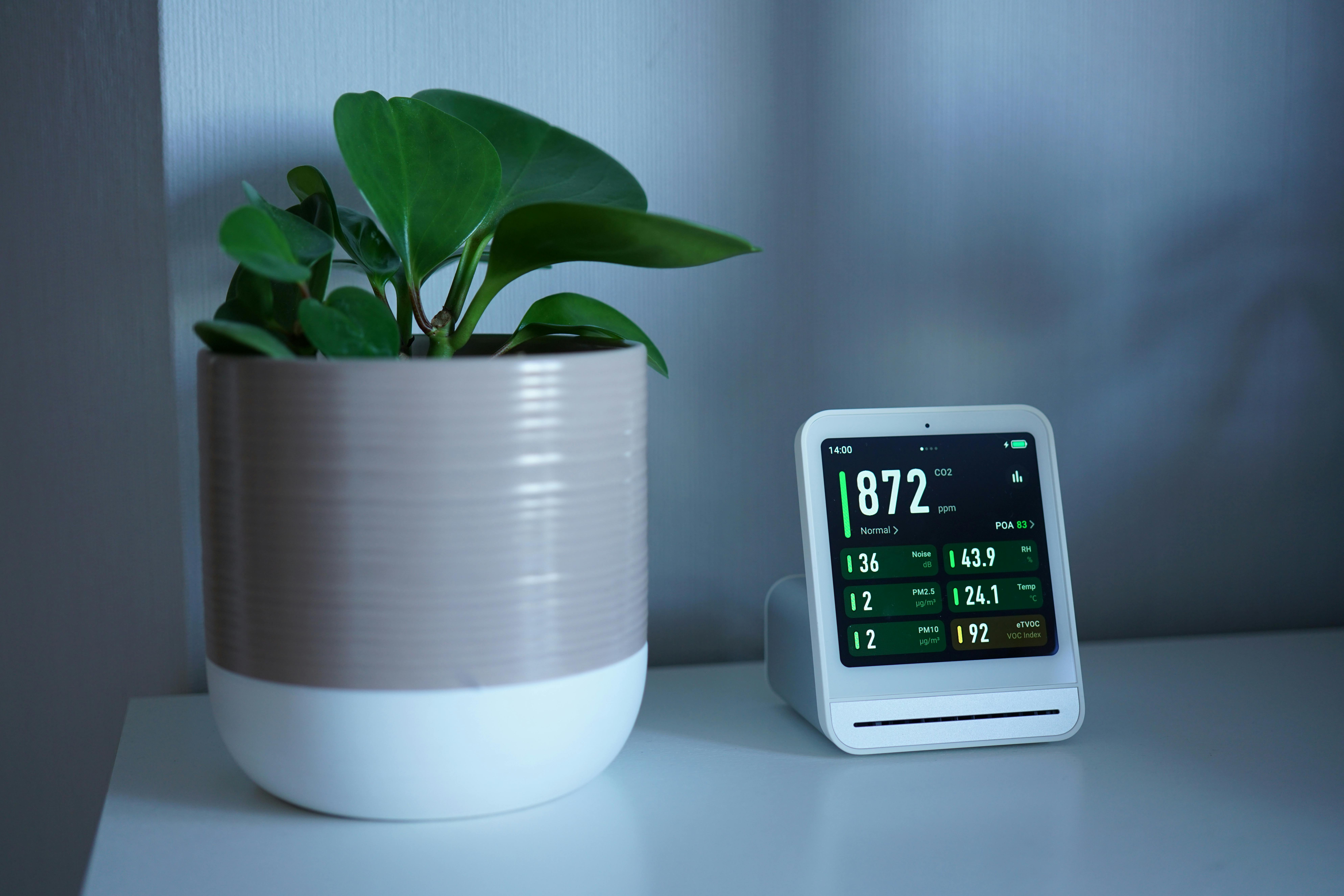
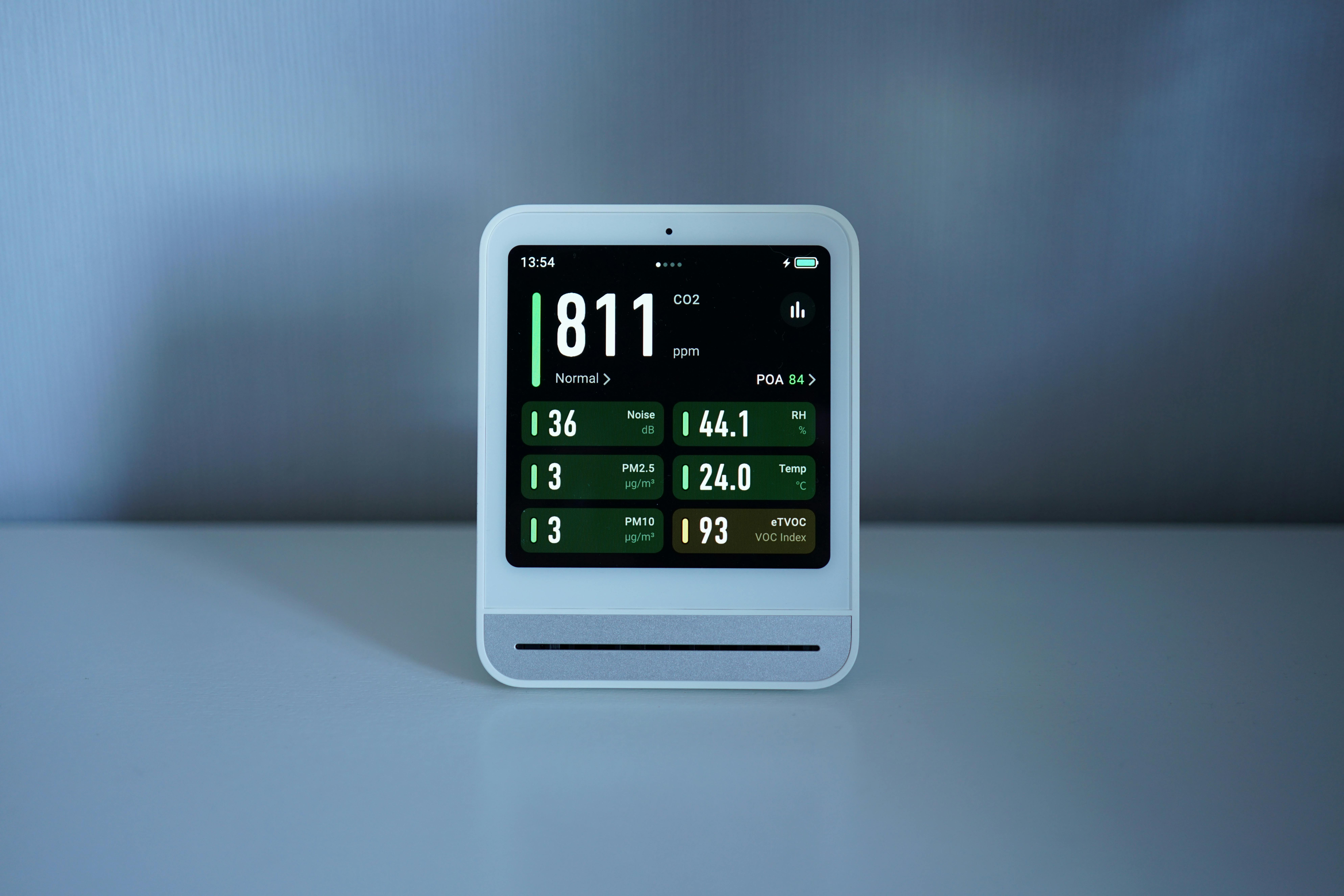
Create a dashboard tracking air quality in your neighborhood or city using EPA data or low-cost sensors. Show daily variations, seasonal patterns, and how local readings compare to national standards. Identify pollution hotspots and correlate them with traffic patterns or industrial facilities.
This project teaches data collection, time series analysis, and geographic visualization while providing practical information neighbors can use to protect their health.
Personal Carbon Footprint Tracker
Build a visualization of your own environmental impact across categories like transportation, energy, food, and consumption. Track changes over time as you implement reduction strategies. Break down which behaviors contribute most to your footprint.
This deeply personal approach makes abstract climate concerns tangible while demonstrating visualization techniques applicable to any individual or household environmental tracking.
Local Biodiversity Change Documentation
Using iNaturalist or eBird data, visualize how species observations in your area have changed over years or decades. Identify declining species requiring conservation attention and thriving species adapting to urban environments. Map biodiversity hotspots and gaps in observation coverage.
This project combines ecological awareness with geographic and temporal analysis skills while potentially identifying genuine conservation needs in your community.
Climate Change Impact Comparison
Compare climate indicators across different regions—perhaps your hometown versus a vulnerable coastal area or Arctic community. Visualize temperature changes, extreme weather frequency, sea level rise, or ice extent using publicly available climate datasets.
Comparative visualizations make distant impacts feel relevant and counter climate change fatigue by showing both global scope and local manifestations of this crisis.
🌱 Continuing Your Growth as an Environmental Data Storyteller
Environmental data visualization represents a journey rather than a destination. The field evolves constantly as new tools emerge, datasets expand, and visualization techniques advance.
Join online communities like the Data Visualization Society or environmental data science groups on social media. Participate in challenges like Makeover Monday or Tidy Tuesday that sharpen skills through regular practice. Follow practitioners whose work inspires you and study their techniques.
Seek feedback generously. Share work-in-progress with friends, colleagues, or online communities and remain open to constructive criticism. Every visualization contains opportunities for improvement that fresh eyes spot more easily than creators can.
Remember that technical perfection matters less than clear communication and genuine insight. Your unique perspective, local knowledge, and specific concerns make your visualizations valuable regardless of sophistication level. The most important step is simply starting—downloading data, creating your first chart, and sharing your environmental story with the world.
🌍 Your Data Can Shape Environmental Futures
Environmental challenges often feel overwhelming in scale and complexity. Data visualization offers a tangible way to participate in solutions by making environmental realities visible, understandable, and actionable for diverse audiences.
Every visualization you create has potential to shift perspective, inspire action, or inform better decisions. Perhaps your air quality map convinces a neighbor to support clean energy policy. Maybe your biodiversity visualization motivates students to pursue conservation careers. Your carbon tracking dashboard might help friends recognize their power to reduce emissions.
These individual impacts accumulate into collective transformation. As more people understand environmental data, demand for evidence-based policy grows. As communities visualize their local conditions, environmental justice movements gain quantitative support. As students engage with interactive climate visualizations, the next generation of environmental leaders emerges.
The tools, data, and knowledge exist for anyone to become an environmental data storyteller. The planet needs your unique perspective, local observations, and creative approaches to making environmental truths impossible to ignore. Your eco-journey through data visualization starts today—download a dataset, fire up a visualization tool, and transform numbers into the compelling environmental stories our world urgently needs to hear. 🚀🌿