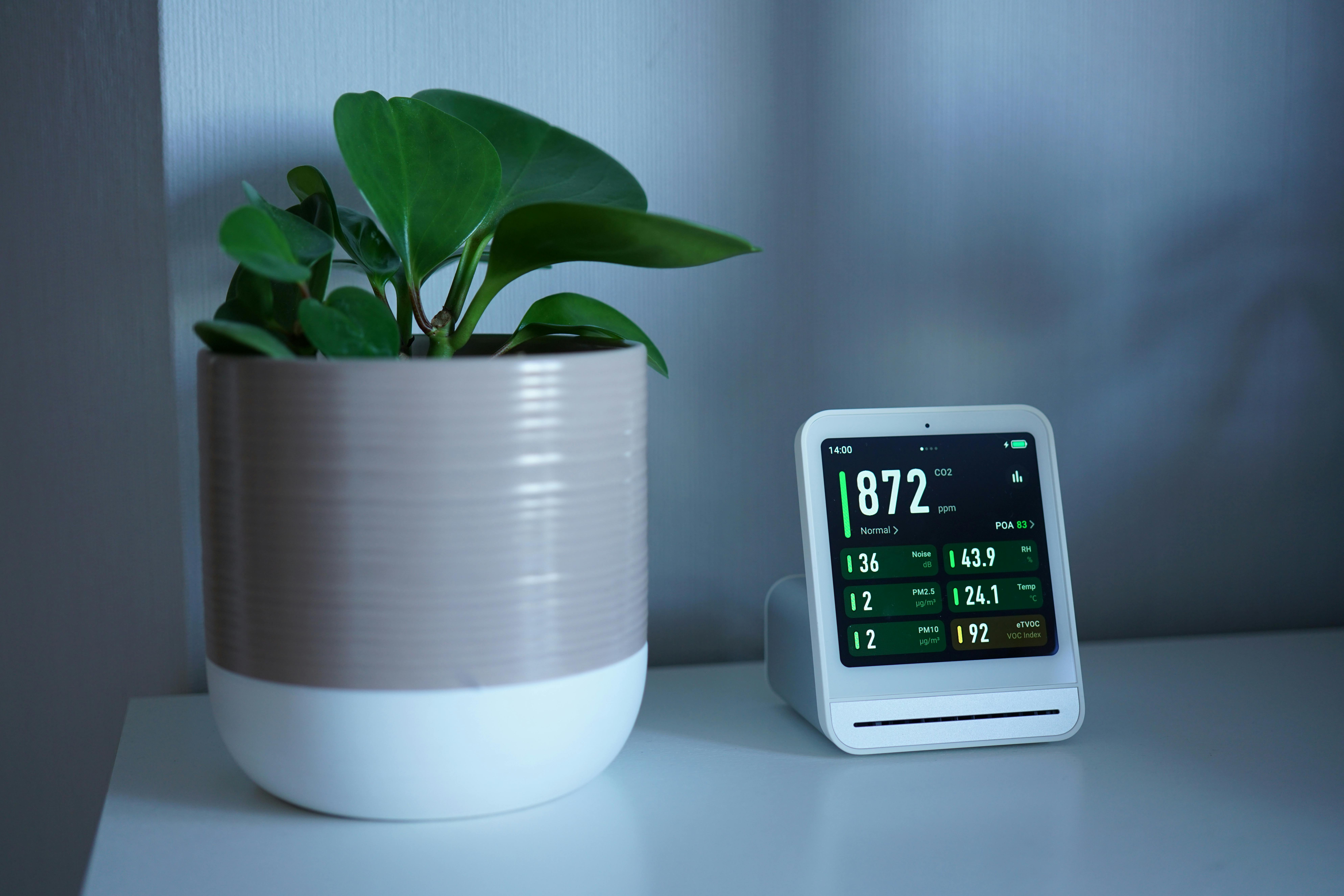
The convergence of bio-sensors and chemical sensors is transforming how we detect substances, monitor health, and ensure environmental safety in unprecedented ways.

🔬 Understanding the Fusion of Two Powerful Technologies
In today’s rapidly evolving technological landscape, the integration of bio-sensors and chemical sensors represents a breakthrough that extends far beyond traditional detection methods. These complementary technologies are reshaping industries from healthcare to environmental monitoring, creating systems that are more accurate, faster, and incredibly versatile than ever before.
Bio-sensors utilize biological components such as enzymes, antibodies, or nucleic acids to detect specific targets, while chemical sensors rely on physical and chemical reactions to identify substances. When combined, these technologies create hybrid systems that leverage the specificity of biological recognition with the sensitivity of chemical detection, offering solutions that neither could achieve alone.
The synergy between these sensor types has opened doors to applications that were once considered science fiction. From detecting cancer biomarkers in breath samples to identifying trace amounts of explosives at security checkpoints, the combined power of bio-sensors and chemical sensors is revolutionizing detection across multiple sectors.
🧬 The Science Behind Bio-Sensor Technology
Bio-sensors operate on a fundamental principle: biological recognition coupled with signal transduction. These sophisticated devices contain a biological element that interacts specifically with the target analyte, producing a measurable signal that indicates the presence and often the concentration of the substance being detected.
The biological recognition elements can include:
- Enzymes that catalyze specific reactions with target molecules
- Antibodies that bind to particular antigens with high specificity
- DNA or RNA sequences that hybridize with complementary genetic material
- Whole cells or microorganisms that respond to environmental changes
- Aptamers, synthetic molecules that mimic antibody-like binding properties
What makes bio-sensors particularly powerful is their inherent selectivity. A bio-sensor designed to detect glucose, for instance, will interact specifically with glucose molecules while ignoring other sugars or compounds present in a sample. This specificity reduces false positives and enables accurate detection even in complex mixtures.
Transduction Mechanisms That Convert Biology to Signals
The magic of bio-sensors lies in their ability to convert a biological interaction into a measurable electrical, optical, or mechanical signal. Various transduction methods exist, each with unique advantages depending on the application. Electrochemical transduction measures changes in current or voltage, optical methods detect changes in light absorption or fluorescence, and piezoelectric sensors measure mass changes on a crystal surface.
These transduction mechanisms ensure that even minute biological interactions can be amplified and measured with remarkable precision, often detecting substances at concentrations as low as parts per billion or even parts per trillion.
⚗️ Chemical Sensors: The Foundation of Modern Detection
Chemical sensors have been the workhorses of analytical detection for decades, providing reliable methods for identifying and quantifying substances across countless applications. Unlike bio-sensors, chemical sensors rely on physical and chemical properties such as conductivity, pH changes, oxidation-reduction reactions, and molecular absorption.
The versatility of chemical sensors stems from their ability to detect a broad range of substances without requiring biological components that might be unstable or require specific storage conditions. They excel in harsh environments where biological elements would degrade, making them ideal for industrial monitoring, automotive emissions control, and extreme environmental conditions.
Modern chemical sensors incorporate nanotechnology, advanced materials science, and sophisticated signal processing to achieve sensitivity levels that rival biological systems. Nanomaterials like graphene, carbon nanotubes, and metal oxides have dramatically enhanced sensor performance, enabling detection of gases, vapors, and dissolved substances at unprecedented levels.
Types of Chemical Sensors Driving Innovation
Chemical sensors come in various forms, each optimized for specific detection scenarios. Electrochemical sensors measure electrical properties during chemical reactions, making them ideal for gas detection and environmental monitoring. Optical chemical sensors detect changes in light properties when chemicals interact with specially designed materials, offering non-invasive detection capabilities.
Mass-sensitive chemical sensors utilize changes in resonant frequency when target molecules bind to a surface, providing label-free detection without requiring additional reagents. Meanwhile, thermal sensors detect heat changes during chemical reactions, useful in combustion monitoring and catalytic processes.
🔗 The Synergy: Why Combining Both Creates Superior Detection
The true revolution in detection occurs when bio-sensors and chemical sensors are integrated into unified systems that capitalize on the strengths of both technologies. This combination addresses limitations inherent in each individual approach while creating capabilities that surpass the sum of their parts.
Bio-sensors provide unmatched specificity but can be limited by stability issues, narrow operating ranges, and sensitivity to environmental conditions. Chemical sensors offer robustness and versatility but may lack the selectivity needed for complex biological samples. By combining these technologies, developers create systems that are both highly specific and remarkably robust.
Consider a hybrid sensor designed to detect pathogenic bacteria in water supplies. The bio-sensor component might use specific antibodies to identify the bacteria with high selectivity, while chemical sensors simultaneously monitor pH, temperature, and dissolved oxygen levels that affect bacterial growth. This integrated approach provides comprehensive data that neither sensor type could deliver alone.
Cross-Validation and Enhanced Accuracy
One of the most significant advantages of combined sensor systems is the ability to cross-validate measurements. When bio-sensors and chemical sensors detect the same target through different mechanisms, the resulting data provides greater confidence in the measurement accuracy. This redundancy reduces false positives and negatives, critical in applications where detection errors have serious consequences.
In medical diagnostics, for example, a bio-sensor might detect a specific disease biomarker while chemical sensors monitor related metabolic changes. The concordance between these measurements increases diagnostic confidence, potentially catching diseases earlier and reducing misdiagnosis rates.
🏥 Healthcare Applications Transforming Patient Care
The healthcare sector has embraced combined bio-sensor and chemical sensor technologies with remarkable results. These integrated systems are revolutionizing diagnostics, enabling continuous health monitoring, and facilitating personalized medicine approaches that were impossible just years ago.
Wearable health monitors now incorporate both sensor types to provide comprehensive metabolic profiles. Bio-sensors detect specific biomarkers like glucose or lactate, while chemical sensors monitor sweat pH, electrolyte levels, and temperature. This multi-parameter monitoring offers clinicians unprecedented insights into patient health in real-time, outside traditional clinical settings.
Point-of-care diagnostic devices combining both technologies deliver laboratory-quality results in minutes rather than days. These portable systems enable rapid disease diagnosis in remote locations, emergency situations, and resource-limited settings, democratizing access to advanced healthcare worldwide.
Cancer Detection Through Breath Analysis
One of the most promising applications involves detecting cancer through breath analysis using combined sensor arrays. Bio-sensors identify specific volatile organic compounds associated with tumor metabolism, while chemical sensors detect broader patterns in breath composition. This non-invasive approach shows potential for early cancer detection, significantly improving treatment outcomes.
Research continues to advance these breath analysis systems, with some showing the ability to distinguish between different cancer types based on unique biomarker signatures. The combination of biological specificity and chemical pattern recognition creates diagnostic tools with clinical potential that continues to expand.
🌍 Environmental Monitoring and Protection
Environmental applications of combined bio-sensor and chemical sensor systems address critical challenges in pollution monitoring, water quality assessment, and ecosystem protection. These integrated systems provide early warning of contamination events, enable continuous monitoring of environmental parameters, and support evidence-based conservation efforts.
Water quality monitoring benefits tremendously from hybrid sensor networks that detect both biological contaminants like bacteria and chemical pollutants such as heavy metals or pesticides. Bio-sensors identify specific pathogens with high specificity, while chemical sensors provide broader assessments of water chemistry that affect ecosystem health.
Air quality monitoring systems now deploy combined sensors to track both particulate matter and biological aerosols, offering comprehensive assessments of air safety. These systems detect industrial pollutants, allergens, and pathogenic microorganisms simultaneously, providing data essential for public health decision-making.
Agricultural Applications Supporting Food Security
Agriculture increasingly relies on combined sensor technologies for precision farming, crop health monitoring, and food safety assurance. Soil sensors integrate biological measurements of microbial activity with chemical assessments of nutrient levels, optimizing fertilizer application and reducing environmental impact.
Food safety applications utilize hybrid sensors to detect both pathogenic contamination and chemical adulterants in food products. These systems ensure food quality from farm to table, protecting consumers while reducing food waste caused by overly conservative safety margins.
🔐 Security and Defense Applications
National security and defense sectors have invested heavily in combined bio-sensor and chemical sensor technologies for threat detection and force protection. These systems identify explosive materials, chemical warfare agents, and biological threats with speed and accuracy crucial for preventing attacks and protecting personnel.
Modern security screening systems at airports and public venues employ sensor arrays that simultaneously detect chemical explosives and biological threats. The integration of multiple detection mechanisms reduces screening time while improving threat identification accuracy, enhancing security without creating bottlenecks.
Military applications include portable detection systems that soldiers can deploy in field conditions to assess environmental threats. These rugged devices combine the specificity of bio-sensors for identifying biological warfare agents with the versatility of chemical sensors for detecting toxic industrial chemicals and conventional threats.
📱 Emerging Technologies and Future Directions
The future of combined bio-sensor and chemical sensor technologies promises even more revolutionary capabilities. Artificial intelligence and machine learning algorithms are being integrated into sensor systems, enabling pattern recognition and predictive analytics that extend beyond simple detection to intelligent interpretation of complex data.
Nanotechnology continues to shrink sensor dimensions while improving performance, enabling integration into smartphones, wearable devices, and even implantable medical devices. These miniaturized sensors maintain or exceed the capabilities of laboratory equipment while operating in form factors that seemed impossible just years ago.
Wireless connectivity transforms individual sensors into networked systems that share data in real-time, creating comprehensive monitoring networks that span entire cities or ecosystems. These Internet of Things (IoT) applications leverage cloud computing to analyze sensor data at scale, identifying trends and anomalies that individual sensors might miss.
Self-Powered and Autonomous Sensor Networks
Researchers are developing self-powered sensors that harvest energy from their environment, eliminating battery requirements and enabling truly autonomous operation. These systems use bio-fuel cells, solar power, or vibration energy harvesting to sustain continuous operation, perfect for remote monitoring applications where maintenance access is limited.
Autonomous sensor networks with built-in intelligence can adapt their operation based on detected conditions, increasing sampling frequency when anomalies appear or entering low-power modes during normal operation. This intelligent operation extends sensor lifespan while ensuring critical events receive appropriate attention.
🎯 Overcoming Challenges in Sensor Integration
Despite tremendous progress, combining bio-sensors and chemical sensors presents ongoing challenges that researchers and engineers continue to address. Compatibility between biological and chemical components requires careful design, as conditions optimal for biological recognition may not suit chemical detection and vice versa.
Calibration and maintenance of hybrid sensor systems demand sophisticated approaches that account for the different drift characteristics and aging patterns of biological versus chemical components. Bio-sensors may require periodic replacement of biological elements, while chemical sensors need recalibration to maintain accuracy.
Data integration from multiple sensor types requires advanced algorithms that properly weight and combine different signal types, accounting for varying noise characteristics and response times. Machine learning approaches show promise in optimizing this data fusion, learning optimal combination strategies from training data.
Cost Considerations and Accessibility
Making combined sensor technologies accessible requires addressing cost barriers that can limit adoption, particularly in resource-constrained settings. Mass production techniques, simplified designs, and alternative materials are reducing costs while maintaining performance, gradually democratizing access to advanced detection capabilities.
Open-source sensor designs and standardized components enable smaller organizations and developing regions to deploy sophisticated monitoring systems without prohibitive investment. This democratization of technology accelerates innovation while addressing global challenges that respect no borders.

🚀 Transforming Industries Through Integrated Detection
The impact of combined bio-sensor and chemical sensor technologies extends across virtually every industry sector. Manufacturing facilities use these systems for quality control and process monitoring, detecting contaminants and ensuring product consistency with unprecedented precision.
The pharmaceutical industry relies on hybrid sensors throughout drug development and production, monitoring critical parameters during synthesis, verifying product purity, and ensuring storage conditions remain within specifications. These applications reduce waste, accelerate development timelines, and enhance drug safety.
Transportation sectors employ combined sensors for emissions monitoring, ensuring vehicles meet environmental standards while optimizing engine performance. These systems provide real-time feedback that can adjust operating parameters dynamically, reducing pollution while improving fuel efficiency.
The convergence of bio-sensors and chemical sensors represents more than incremental improvement—it constitutes a fundamental transformation in how we interact with and understand our chemical and biological environment. As these technologies mature and integrate with artificial intelligence, wireless connectivity, and advanced materials, their impact will only grow more profound.
From protecting public health through early disease detection to safeguarding environmental quality through comprehensive monitoring, these combined sensor systems address some of humanity’s most pressing challenges. The revolution in detection they enable touches every aspect of modern life, often working invisibly in the background to ensure safety, optimize processes, and provide insights that inform better decisions.
As research continues and costs decline, combined bio-sensor and chemical sensor technologies will become increasingly ubiquitous, embedded in devices we use daily and infrastructure that supports modern civilization. This future promises a world where detection is faster, more accurate, and more accessible than ever before—a world where we can identify threats before they cause harm, optimize resource use with precision, and understand complex systems with clarity previously unimaginable.
The power of bio-sensors and chemical sensors combined isn’t just about better detection—it’s about creating a smarter, safer, more sustainable world for everyone. That revolution is already underway, and its full potential has only begun to unfold. 🌟