Air quality monitoring has become a critical priority in modern society, driving innovation in sensor technologies that protect public health and environmental sustainability.

🌍 The Growing Urgency of Air Quality Measurement
Air pollution has emerged as one of the most pressing environmental challenges of our time, affecting billions of people worldwide. According to the World Health Organization, approximately 99% of the global population breathes air that exceeds recommended quality guidelines. This alarming statistic has catalyzed unprecedented interest in air quality monitoring technologies, with laser scattering and electrochemical sensors leading the charge in providing accurate, real-time data about the air we breathe.
The evolution of air quality monitoring has transformed from bulky, laboratory-based equipment to compact, affordable devices that can be deployed in homes, offices, and throughout entire cities. This democratization of air quality data has empowered individuals, communities, and governments to make informed decisions about health protection and environmental policy. At the heart of this revolution lie two dominant sensing technologies, each with distinct advantages, limitations, and applications that make them suitable for different monitoring scenarios.
🔬 Understanding Laser Scattering Technology
Laser scattering, also known as optical particle counting, represents one of the most sophisticated approaches to measuring particulate matter in the air. This technology operates on a remarkably elegant principle: when particles pass through a focused laser beam, they scatter light in patterns that reveal information about their size, shape, and concentration.
The fundamental mechanism involves directing particles through a measurement chamber where a laser beam illuminates them. Photodetectors positioned at specific angles capture the scattered light, and sophisticated algorithms analyze these patterns to determine particle characteristics. Modern laser scattering sensors can detect particles ranging from 0.3 microns to 10 microns or larger, covering the critical PM2.5 and PM10 categories that pose the greatest health risks.
Advantages of Laser Scattering Sensors
The precision of laser scattering technology offers several compelling advantages that have made it the preferred choice for many professional and consumer applications. These sensors provide real-time measurements with minimal lag time, typically updating readings every few seconds. This rapid response enables users to immediately detect changes in air quality, whether from cooking activities, outdoor pollution infiltrating indoor spaces, or industrial emissions.
Another significant advantage is the ability to differentiate between particle sizes. Unlike some monitoring methods that provide only aggregate measurements, laser scattering sensors can categorize particles into distinct size ranges. This granularity matters because different particle sizes have varying health implications and originate from different sources. PM2.5 particles, for instance, can penetrate deep into lung tissue and even enter the bloodstream, while larger PM10 particles typically affect the upper respiratory system.
The non-destructive nature of laser scattering measurements also deserves recognition. Because the technology simply observes particles passing through a beam of light, it doesn’t consume chemicals or require regular replacement of sensing elements. This characteristic translates to lower maintenance requirements and longer operational lifespans compared to technologies that rely on chemical reactions.
Limitations and Considerations
Despite their impressive capabilities, laser scattering sensors face certain limitations that influence their suitability for different applications. Environmental factors such as humidity can significantly affect measurement accuracy. High humidity levels may cause hygroscopic growth in particles, making them appear larger than they actually are in dry conditions. Some advanced models incorporate humidity compensation algorithms, but this remains a consideration for critical applications.
The cost factor also plays a role in deployment decisions. High-quality laser scattering sensors typically command premium prices due to their sophisticated optical components and precision manufacturing requirements. While consumer-grade versions have become increasingly affordable, professional-grade instruments suitable for regulatory compliance monitoring can represent substantial investments.
⚡ Electrochemical Sensors: The Chemical Warriors
Electrochemical sensors take a fundamentally different approach to air quality monitoring, targeting specific gaseous pollutants through chemical reactions. These devices excel at detecting molecules such as carbon monoxide, nitrogen dioxide, sulfur dioxide, ozone, and various volatile organic compounds that laser scattering cannot measure.
The operational principle involves exposing a reactive electrode to the target gas. When pollutant molecules reach the electrode surface, they undergo oxidation or reduction reactions that generate measurable electrical currents. The magnitude of this current correlates directly with the concentration of the target gas, enabling quantitative measurements of specific pollutants.
Strategic Advantages of Electrochemical Detection
The selectivity of electrochemical sensors represents their most distinctive advantage. While laser scattering provides comprehensive particulate matter data, it remains blind to gaseous pollutants that can be equally harmful. Electrochemical sensors fill this critical gap, offering targeted detection of specific molecular species. This specificity makes them indispensable for applications where particular gases present known hazards, such as carbon monoxide in residential settings or nitrogen oxides near traffic corridors.
Cost-effectiveness represents another compelling attribute, particularly for single-gas detection applications. Basic electrochemical sensors can be manufactured relatively inexpensively, making them accessible for widespread deployment. This economic advantage has facilitated their integration into countless consumer products, from carbon monoxide detectors mandated in many residential building codes to portable air quality monitors.
The low power consumption of electrochemical sensors also merits attention. Many designs operate effectively on battery power for extended periods, enabling truly portable and wireless monitoring solutions. This characteristic has proven particularly valuable for personal exposure monitoring, where individuals wear compact devices that track their air quality exposure throughout daily activities.
Challenges Facing Electrochemical Technology
Electrochemical sensors contend with limitations that impact their performance and lifecycle. The consumable nature of sensing elements stands out as a primary concern. Chemical reactions gradually deplete the reactive materials within the sensor, resulting in sensitivity degradation over time. Most electrochemical sensors require replacement every one to three years, depending on exposure levels and environmental conditions.
Cross-sensitivity presents another technical challenge. Although designed to target specific gases, electrochemical sensors may respond to similar molecules, potentially leading to false positives or inflated readings. Manufacturers employ various strategies to mitigate this issue, including selective membranes and signal processing algorithms, but cross-sensitivity remains a consideration for precision applications.
Temperature sensitivity also affects electrochemical sensor performance. Chemical reaction rates vary with temperature, meaning measurements taken at different temperatures may not be directly comparable without compensation. Advanced systems incorporate temperature sensors and correction algorithms, adding complexity and cost to the overall solution.
📊 Comparative Analysis: When to Choose Which Technology
The decision between laser scattering and electrochemical sensors ultimately depends on monitoring objectives, environmental conditions, budget constraints, and accuracy requirements. Understanding the strengths and limitations of each technology enables informed selection for specific applications.
Indoor Air Quality Monitoring
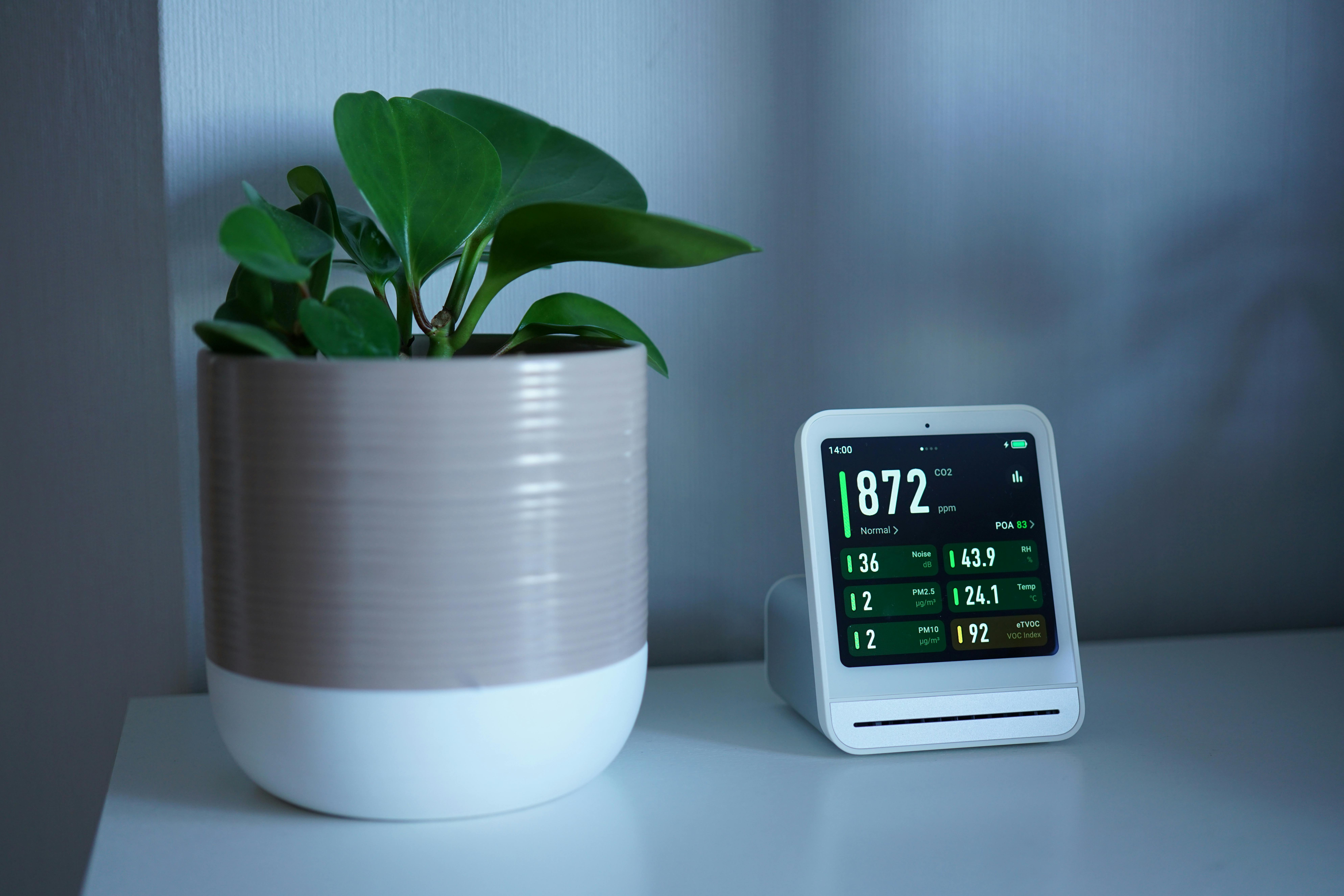
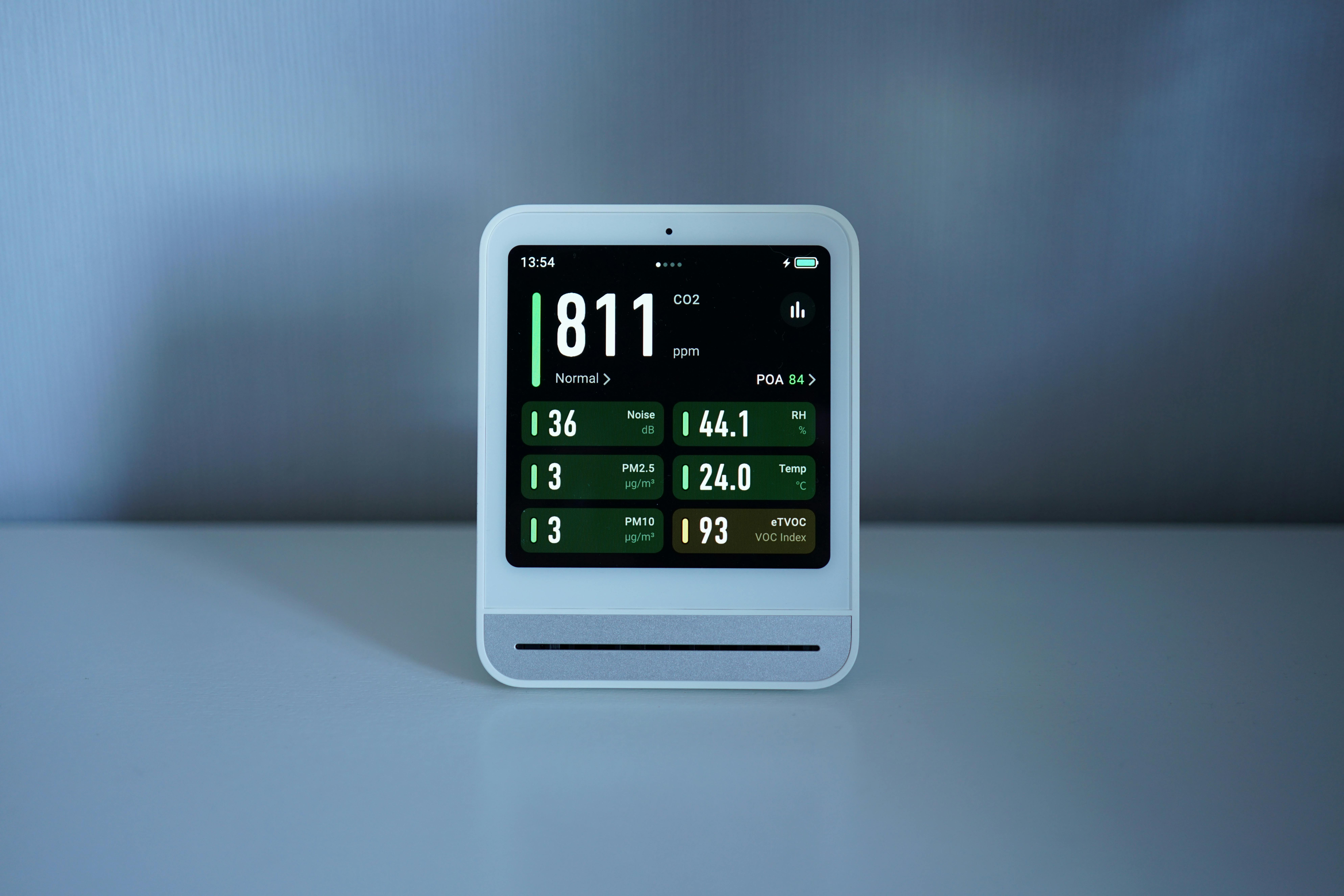
For comprehensive indoor air quality assessment, many experts recommend combining both technologies. Laser scattering sensors excel at detecting particulate matter from sources like cooking, cleaning activities, outdoor infiltration, and airborne microorganisms. Meanwhile, electrochemical sensors monitor gaseous pollutants such as formaldehyde from furniture and building materials, carbon dioxide from human respiration, and volatile organic compounds from cleaning products.
In residential settings where budget constraints exist, prioritization becomes necessary. For general air quality awareness, a quality laser scattering sensor measuring PM2.5 provides valuable insights into the most widespread indoor air quality concern. However, homes with gas appliances absolutely require carbon monoxide detection through electrochemical sensors, as this colorless, odorless gas presents immediate life-threatening risks that particulate sensors cannot detect.
Outdoor and Environmental Monitoring
Urban air quality monitoring networks increasingly deploy both technologies in complementary configurations. Laser scattering sensors track particulate pollution from vehicle emissions, industrial sources, and seasonal events like wildfires. Electrochemical sensors simultaneously measure nitrogen oxides from traffic, ozone formed through photochemical reactions, and sulfur dioxide from industrial processes.
The robustness requirements for outdoor deployment favor certain sensor designs. Laser scattering sensors require protection from precipitation, insects, and debris that could interfere with optical measurements. Electrochemical sensors, while generally more resistant to environmental interference, need temperature compensation and periodic calibration to maintain accuracy across seasonal variations.
Industrial and Occupational Safety Applications
Industrial environments often present specific hazards that dictate sensor selection. Facilities handling chemicals, performing welding operations, or generating combustion byproducts typically rely heavily on electrochemical sensors tailored to detect the specific gases present. These targeted sensors provide the rapid response necessary for worker safety, triggering alarms when concentrations exceed safe exposure limits.
Manufacturing facilities, warehouses, and logistics centers may prioritize laser scattering sensors to monitor particulate matter from material handling, packaging operations, and diesel equipment. The real-time feedback these sensors provide enables immediate corrective action, from improving ventilation to modifying work processes that generate excessive particulate pollution.
🚀 Emerging Innovations and Future Directions
The air quality monitoring landscape continues evolving rapidly, with innovations addressing current limitations and expanding capabilities. Miniaturization represents one prominent trend, with sensors shrinking to dimensions suitable for integration into smartphones, wearables, and Internet of Things devices. This integration promises ubiquitous air quality awareness, transforming how we interact with our environment.
Artificial Intelligence and Machine Learning Integration
Modern air quality monitoring increasingly leverages artificial intelligence to enhance sensor performance and interpretation. Machine learning algorithms can compensate for sensor drift, identify pollution sources based on characteristic signatures, and predict air quality trends based on historical data and meteorological conditions. These intelligent systems transform raw sensor data into actionable insights, making air quality information more accessible to non-technical users.
Cross-sensor validation represents another AI application gaining traction. By analyzing data from multiple sensor types simultaneously, algorithms can identify and correct anomalies, improving overall measurement reliability. This approach combines the strengths of different technologies while mitigating their individual weaknesses.
Next-Generation Sensor Technologies
Research laboratories worldwide are developing novel sensing approaches that may eventually complement or supersede current technologies. Metal oxide semiconductor sensors offer multi-gas detection capabilities at lower costs than traditional electrochemical sensors, though they currently face challenges with specificity and humidity sensitivity. Photoacoustic spectroscopy promises highly selective gas detection with minimal cross-sensitivity, though current implementations remain expensive and complex.
Nanotechnology applications are enhancing both laser scattering and electrochemical sensors. Nanostructured materials provide greater surface area for chemical reactions, potentially improving electrochemical sensor sensitivity and longevity. Meanwhile, nanophotonic structures enable more compact and efficient optical particle detection systems.
💡 Making Informed Choices for Your Air Quality Needs
Selecting appropriate air quality monitoring technology requires careful consideration of multiple factors beyond technical specifications. Understanding your specific monitoring objectives provides the essential foundation for making informed decisions that deliver meaningful results and value.
Defining Your Monitoring Goals
Begin by clearly articulating what you need to measure and why. Are you concerned about particulate matter from nearby traffic or industrial sources? Do you need to detect specific gases like carbon monoxide or radon? Are you monitoring for general awareness, health protection, or regulatory compliance? These questions guide technology selection and implementation strategies.
Consider the spatial and temporal resolution required for your application. Some scenarios demand continuous monitoring with second-by-second updates, while others may only require periodic measurements. Similarly, you might need single-point monitoring or a distributed network covering multiple locations. These requirements significantly influence system design and cost.
Budget and Lifecycle Considerations
Air quality monitoring represents an ongoing investment rather than a one-time purchase. Beyond initial equipment costs, factor in calibration requirements, sensor replacement schedules, data management infrastructure, and potential professional support needs. Laser scattering sensors typically have higher upfront costs but lower ongoing maintenance, while electrochemical sensors may require more frequent replacement.
For budget-conscious applications, consider starting with targeted monitoring addressing your highest-priority concerns, then expanding coverage as resources permit. A single quality sensor monitoring your most significant exposure environment provides more value than multiple unreliable devices scattered throughout your space.

🌟 The Synergistic Future of Air Quality Monitoring
Rather than viewing laser scattering and electrochemical sensors as competing technologies, the most sophisticated air quality monitoring strategies recognize their complementary nature. Comprehensive air quality assessment requires measuring both particulate matter and gaseous pollutants, making multi-sensor systems the gold standard for critical applications.
The democratization of air quality data through affordable, accurate sensors represents a public health revolution. As technology continues advancing and costs decline, comprehensive air quality monitoring will transition from a specialized tool to a standard feature of buildings, vehicles, and personal devices. This transformation promises unprecedented awareness of the air we breathe and the ability to take proactive measures protecting health and environmental quality.
The ongoing battle between laser scattering and electrochemical sensors ultimately benefits everyone by driving innovation, improving performance, and reducing costs. Whether deployed individually or in combination, these technologies empower individuals, organizations, and governments to understand and improve air quality. As we navigate increasing environmental challenges, these sensing technologies serve as essential tools for creating healthier indoor environments and cleaner outdoor spaces for current and future generations.
The choice between these technologies depends entirely on your specific needs, resources, and monitoring objectives. By understanding their respective strengths and limitations, you can select the approach that delivers the insights necessary to breathe easier, literally and figuratively.