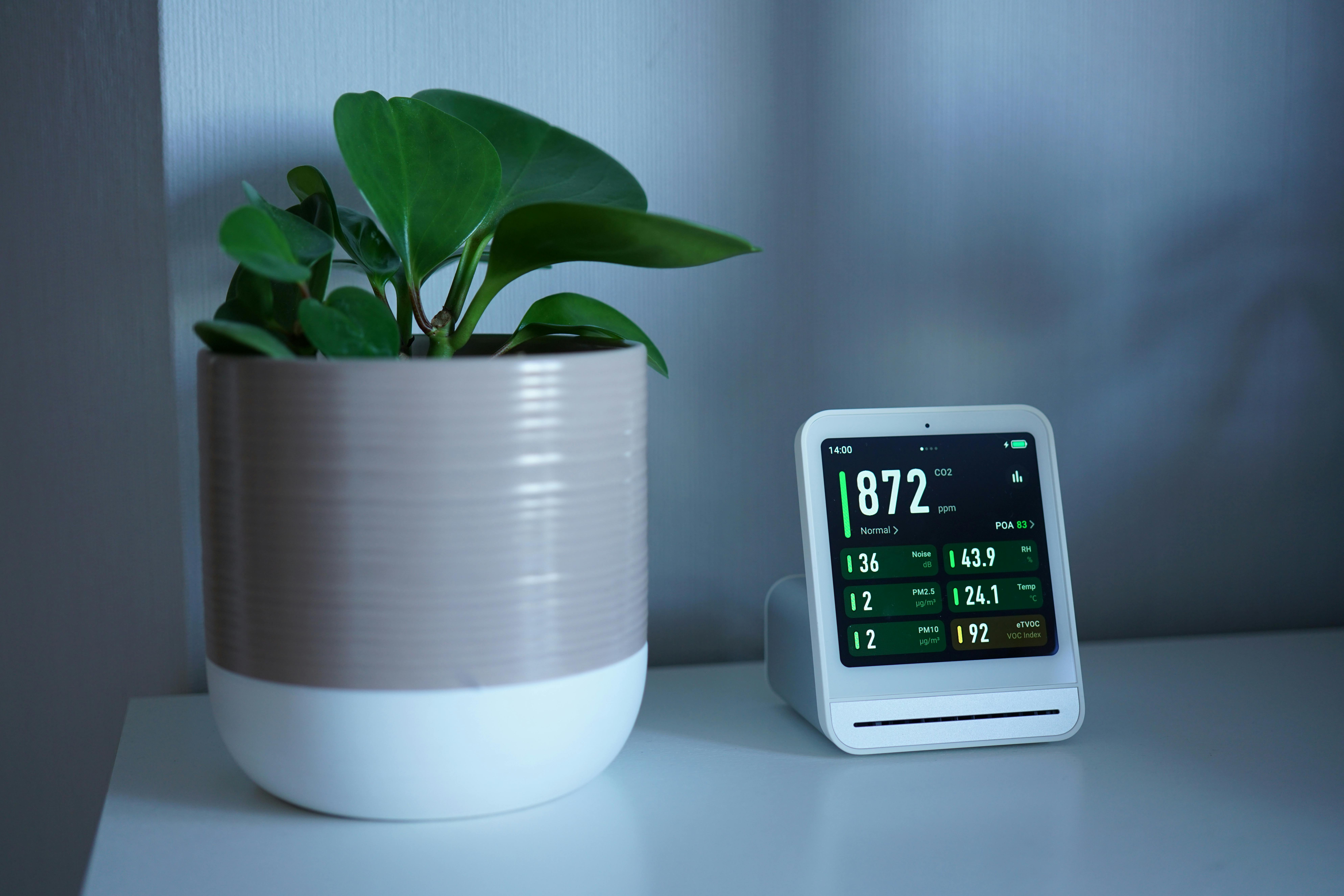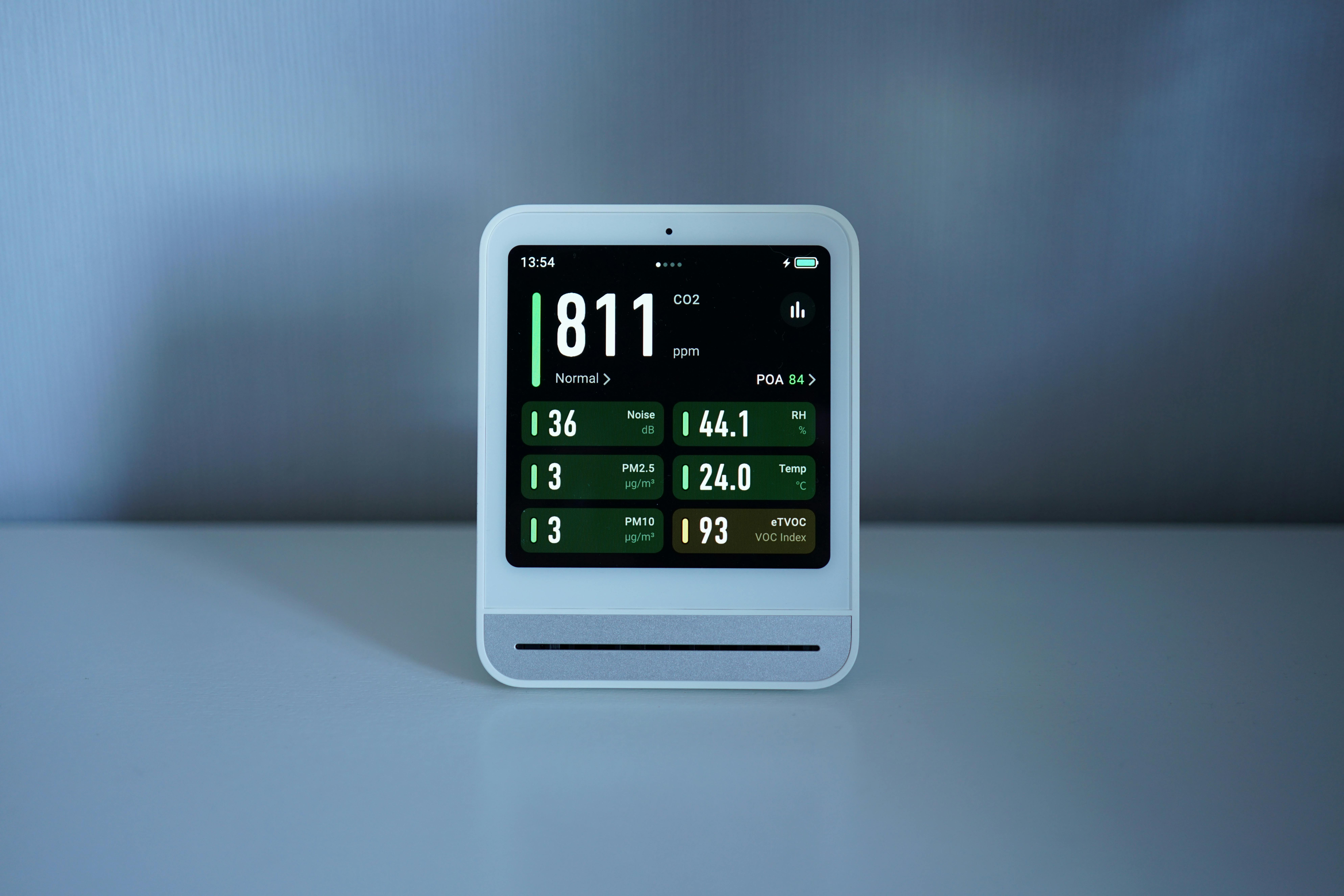
Modern buildings are tighter than ever, which can lead to poor indoor air quality. CO₂ monitoring modules offer a smart solution to optimize ventilation and create healthier environments. 🌿

Why Indoor Air Quality Matters More Than You Think
We spend approximately 90% of our lives indoors, yet many of us rarely consider the quality of the air we’re breathing. Indoor air quality (IAQ) has become a critical concern for health professionals, building managers, and homeowners alike. Poor ventilation can lead to a buildup of carbon dioxide, volatile organic compounds, and other pollutants that affect our cognitive function, productivity, and overall well-being.
Carbon dioxide itself isn’t toxic at typical indoor concentrations, but it serves as an excellent proxy indicator for overall air quality. When CO₂ levels rise, it typically means that ventilation is inadequate and other potentially harmful contaminants are also accumulating. Studies have shown that CO₂ concentrations above 1000 ppm can impair decision-making abilities and reduce cognitive performance by up to 50% in some tasks.
Understanding CO₂ as an Air Quality Indicator
Carbon dioxide monitoring has emerged as the gold standard for assessing ventilation effectiveness. Every time we exhale, we release CO₂ into the surrounding environment. In a well-ventilated space, this CO₂ is quickly diluted and removed by fresh outdoor air. However, in poorly ventilated areas, CO₂ accumulates along with other human bioeffluents and pollutants.
Outdoor CO₂ levels typically hover around 400-420 ppm (parts per million). Indoor levels in healthy environments should ideally remain below 800-1000 ppm. When concentrations exceed 1000 ppm, it’s a clear signal that ventilation needs improvement. At 2000 ppm and above, occupants often experience drowsiness, headaches, and difficulty concentrating.
The Science Behind CO₂ Monitoring
CO₂ sensors work primarily through non-dispersive infrared (NDIR) technology. This method measures the absorption of specific wavelengths of infrared light by CO₂ molecules. The amount of light absorbed correlates directly with CO₂ concentration, providing accurate real-time measurements. Modern sensors have become remarkably affordable and accurate, making widespread deployment feasible for various applications.
Unlike older monitoring approaches that relied on scheduled ventilation based on time or occupancy estimates, CO₂-based demand-controlled ventilation (DCV) responds to actual conditions. This adaptive approach ensures adequate fresh air when needed while avoiding energy waste during periods of low occupancy.
How CO₂ Modules Transform Ventilation Systems 🔄
Integrating CO₂ monitoring modules into HVAC systems creates intelligent, responsive ventilation that adapts to real-time occupancy and air quality conditions. These modules communicate with building management systems to automatically adjust ventilation rates, damper positions, and air exchange frequencies based on measured CO₂ levels.
The transformation happens through several mechanisms. When CO₂ sensors detect rising concentrations, the system can increase outdoor air intake, boost fan speeds, or activate additional air handling units. Conversely, when levels are well below target thresholds, the system can reduce ventilation to conserve energy without compromising air quality.
Key Components of CO₂-Based Ventilation Systems
- NDIR CO₂ Sensors: The primary detection devices that measure carbon dioxide concentrations with high accuracy
- Data Processing Units: Controllers that interpret sensor data and make ventilation decisions based on programmed algorithms
- Communication Interfaces: Protocols like BACnet, Modbus, or wireless systems that connect sensors to building automation systems
- Actuators and Dampers: Physical components that adjust airflow based on commands from the control system
- User Interfaces: Dashboards and displays that allow facility managers to monitor performance and adjust setpoints
Energy Efficiency Meets Health: The Double Benefit ⚡
One of the most compelling advantages of CO₂-based ventilation control is the simultaneous achievement of two sometimes competing goals: energy efficiency and occupant health. Traditional ventilation systems often over-ventilate spaces to ensure adequate air quality, wasting substantial energy in the process. Conversely, some buildings under-ventilate to save energy, creating unhealthy indoor environments.
CO₂ monitoring modules eliminate this guesswork. Buildings equipped with these systems typically see energy savings of 20-40% compared to constant air volume systems, while simultaneously maintaining superior air quality. The energy savings come from reducing unnecessary ventilation during periods of low occupancy and avoiding the heating or cooling of excessive outdoor air.
Real-World Energy Impact
Consider a medium-sized office building with 200 occupants. Without CO₂ monitoring, the HVAC system might be designed to continuously provide ventilation for full occupancy even though the building is rarely at capacity. Conference rooms sit empty, employees work from home, and lunch breaks create predictable vacancy patterns.
By implementing CO₂-based demand-controlled ventilation, the system responds dynamically. During a morning meeting when 50 people fill a conference room, ventilation increases automatically. When everyone leaves, the system scales back. Over a year, this responsiveness typically saves thousands of dollars in energy costs while ensuring the air remains fresh when people are actually present.
Implementing CO₂ Modules in Different Environments 🏢
The application of CO₂ monitoring technology varies significantly depending on the environment and its specific ventilation challenges. Each setting presents unique considerations for sensor placement, control strategies, and integration approaches.
Commercial Office Spaces
Offices benefit tremendously from CO₂-based ventilation control. Conference rooms, in particular, experience dramatic fluctuations in occupancy throughout the day. Placing sensors in these spaces prevents the stuffiness and drowsiness common in poorly ventilated meeting rooms. Open office areas also benefit from zone-based monitoring that can identify and address localized ventilation issues.
Educational Institutions
Classrooms represent ideal candidates for CO₂ monitoring. Research consistently shows that students perform better in well-ventilated environments. Schools implementing CO₂-based ventilation have reported improved test scores, better attendance, and fewer student complaints about discomfort. The occupancy patterns in schools—full classrooms during lessons, empty during breaks and evenings—make demand-controlled ventilation particularly effective.
Healthcare Facilities
Hospitals and clinics have stringent air quality requirements due to infection control concerns. While healthcare facilities typically rely on more comprehensive air quality monitoring than CO₂ alone, carbon dioxide sensors play an important role in waiting areas, administrative offices, and patient rooms. The ability to verify adequate ventilation helps reduce airborne disease transmission risks.
Residential Applications
Smart home technology has brought CO₂ monitoring into residential settings. Home automation systems increasingly incorporate air quality sensors that can control mechanical ventilation systems, heat recovery ventilators, or simply alert occupants when it’s time to open windows. This is particularly valuable in energy-efficient homes built with tight envelopes that minimize air leakage.
Selecting the Right CO₂ Monitoring Solution 🎯
Not all CO₂ sensors and monitoring systems are created equal. Choosing appropriate technology requires consideration of accuracy requirements, environmental conditions, calibration needs, and integration capabilities. Making informed decisions in these areas ensures reliable performance and maximizes return on investment.
| Feature | Basic Systems | Advanced Systems |
|---|---|---|
| Accuracy | ±100 ppm | ±30-50 ppm |
| Calibration | Manual, annual | Automatic baseline correction |
| Communication | 0-10V analog | BACnet, Modbus, wireless protocols |
| Additional Sensors | CO₂ only | Temperature, humidity, VOCs, PM2.5 |
| Data Logging | Limited or none | Cloud-based with analytics |
Critical Considerations for Sensor Selection
Accuracy matters, but so does long-term stability. NDIR sensors can drift over time, requiring periodic calibration. Some advanced sensors incorporate automatic baseline correction by assuming that overnight or during unoccupied periods, CO₂ levels will drop to near outdoor concentrations. This allows the sensor to self-calibrate without manual intervention.
Environmental factors also influence sensor performance. Temperature and humidity can affect readings, so quality sensors include compensation algorithms. In harsh environments with dust, chemicals, or extreme temperatures, ruggedized sensor housings and specialized filters may be necessary to ensure reliable operation.
Installation Best Practices for Optimal Performance 🔧
Even the best CO₂ sensors will underperform if improperly installed. Strategic placement and proper commissioning are essential for accurate measurements and effective ventilation control. Several key principles guide successful installations across all building types.
Sensors should be located in the breathing zone, typically 3-6 feet above the floor, where occupants actually experience the air quality. Avoid placing sensors near doors, windows, air supply vents, or exhaust grilles where readings might not represent typical room conditions. In large open spaces, multiple sensors may be necessary to capture spatial variations in air quality.
Common Installation Mistakes to Avoid
- Placing sensors too close to air supply diffusers, causing artificially low readings
- Installing sensors where direct sunlight or heat sources affect temperature compensation
- Mounting sensors on external walls where temperature gradients create measurement errors
- Neglecting to account for sensor warm-up time after power-on
- Failing to establish appropriate control setpoints based on building use and codes
Maintaining and Calibrating Your CO₂ Monitoring System 🔍
Like any measurement instrument, CO₂ sensors require ongoing maintenance to ensure continued accuracy. Most quality NDIR sensors maintain good performance for 5-10 years, but periodic verification and calibration extend sensor life and prevent control issues caused by measurement drift.
Calibration typically involves exposing the sensor to known CO₂ concentrations—either outdoor air (approximately 420 ppm) or calibration gas with a certified concentration. Many modern sensors feature automatic baseline correction that minimizes manual calibration needs by periodically adjusting to expected minimum CO₂ levels. However, manual verification at least annually remains a best practice for critical applications.
Signs Your Sensors Need Attention
Several indicators suggest that CO₂ sensors may need calibration or replacement. Readings that never drop below 600-700 ppm during unoccupied periods likely indicate positive drift. Conversely, readings below outdoor levels (around 420 ppm) indicate negative drift. Erratic readings, sudden jumps, or loss of response to occupancy changes all warrant investigation.
The Future of Air Quality Management: Beyond Basic CO₂ 🚀
While CO₂ monitoring has transformed ventilation control, the next generation of indoor air quality management is already emerging. Multi-parameter sensors that measure CO₂, volatile organic compounds (VOCs), particulate matter (PM2.5/PM10), temperature, and humidity provide a more comprehensive picture of indoor environmental quality.
Artificial intelligence and machine learning algorithms are being applied to building management systems to predict occupancy patterns, optimize ventilation scheduling, and identify anomalies that might indicate HVAC problems or unusual pollution sources. These predictive systems can pre-ventilate spaces before occupants arrive and identify the most energy-efficient strategies for maintaining air quality.
Integration with occupant feedback systems creates closed-loop control where people can report comfort issues that the system learns from over time. This combination of objective sensor data and subjective human experience leads to truly optimized indoor environments that balance health, comfort, and efficiency.
Making the Business Case: ROI and Benefits 💼
For facility managers and building owners considering CO₂ monitoring implementation, understanding the return on investment is crucial. The costs include sensors, installation, integration with existing HVAC systems, and ongoing maintenance. Benefits span energy savings, improved occupant health and productivity, regulatory compliance, and enhanced building value.
Energy savings alone often justify the investment within 2-5 years, depending on building size, climate, and existing ventilation systems. However, the productivity benefits frequently dwarf energy savings. Studies estimate that improved indoor air quality can boost cognitive performance by 8-11%, which translates to significant economic value in office environments where personnel costs far exceed facility operating expenses.
Quantifying the Intangible Benefits
Beyond easily measured energy savings, CO₂-based ventilation provides numerous benefits that are harder to quantify but equally valuable. Reduced absenteeism due to better health, enhanced recruitment and retention in competitive labor markets, improved brand reputation as a healthy building, and reduced liability exposure all contribute to overall value.
As awareness of indoor air quality grows—accelerated by recent global health concerns—buildings with verified superior air quality increasingly command premium rents and higher occupancy rates. Third-party certifications like WELL Building Standard and RESET Air explicitly require continuous air quality monitoring, making CO₂sensors not just nice-to-have but essential for achieving recognized healthy building credentials.

Taking Action: Your Path to Better Indoor Air 🌟
Implementing CO₂-based ventilation control doesn’t require replacing entire HVAC systems. Many buildings can retrofit existing equipment with monitoring modules and controls. Start with a pilot program in problem areas—conference rooms with persistent stuffiness complaints or classrooms where students seem lethargic.
Measure baseline conditions to document existing problems and establish improvement targets. Select appropriate sensors based on your specific needs and budget. Work with qualified HVAC contractors familiar with demand-controlled ventilation to ensure proper installation and integration. Commission the system carefully, verifying that sensors read accurately and controls respond appropriately.
Most importantly, monitor the results. Track energy consumption, occupant feedback, and measured air quality over time. The data you collect not only validates your investment but also guides continuous improvement of your indoor environmental quality strategy. Fresh, healthy air isn’t a luxury—it’s a fundamental requirement for human performance and well-being that CO₂ monitoring modules help deliver efficiently and reliably.