Indoor air quality has become a critical concern for modern buildings, directly impacting occupant health, cognitive performance, and overall productivity in ways we’re only beginning to understand.

The buildings where we spend approximately 90% of our lives—offices, schools, hospitals, and homes—harbor invisible threats that silently compromise our well-being. Poor ventilation, accumulating pollutants, volatile organic compounds (VOCs), and inadequate monitoring systems create environments that drain energy, reduce focus, and increase sick days. AQ modules, or air quality monitoring and management systems, represent a revolutionary approach to transforming these spaces into health-promoting environments backed by real-time data and intelligent interventions.
This article explores compelling real-life case studies demonstrating how implementing AQ modules has dramatically improved building health metrics, occupant satisfaction, and organizational performance. Whether you manage a corporate office, educational institution, healthcare facility, or residential complex, these insights will reveal actionable strategies for creating healthier indoor environments that boost both well-being and bottom-line results.
🏢 Understanding AQ Modules: The Foundation of Healthy Buildings
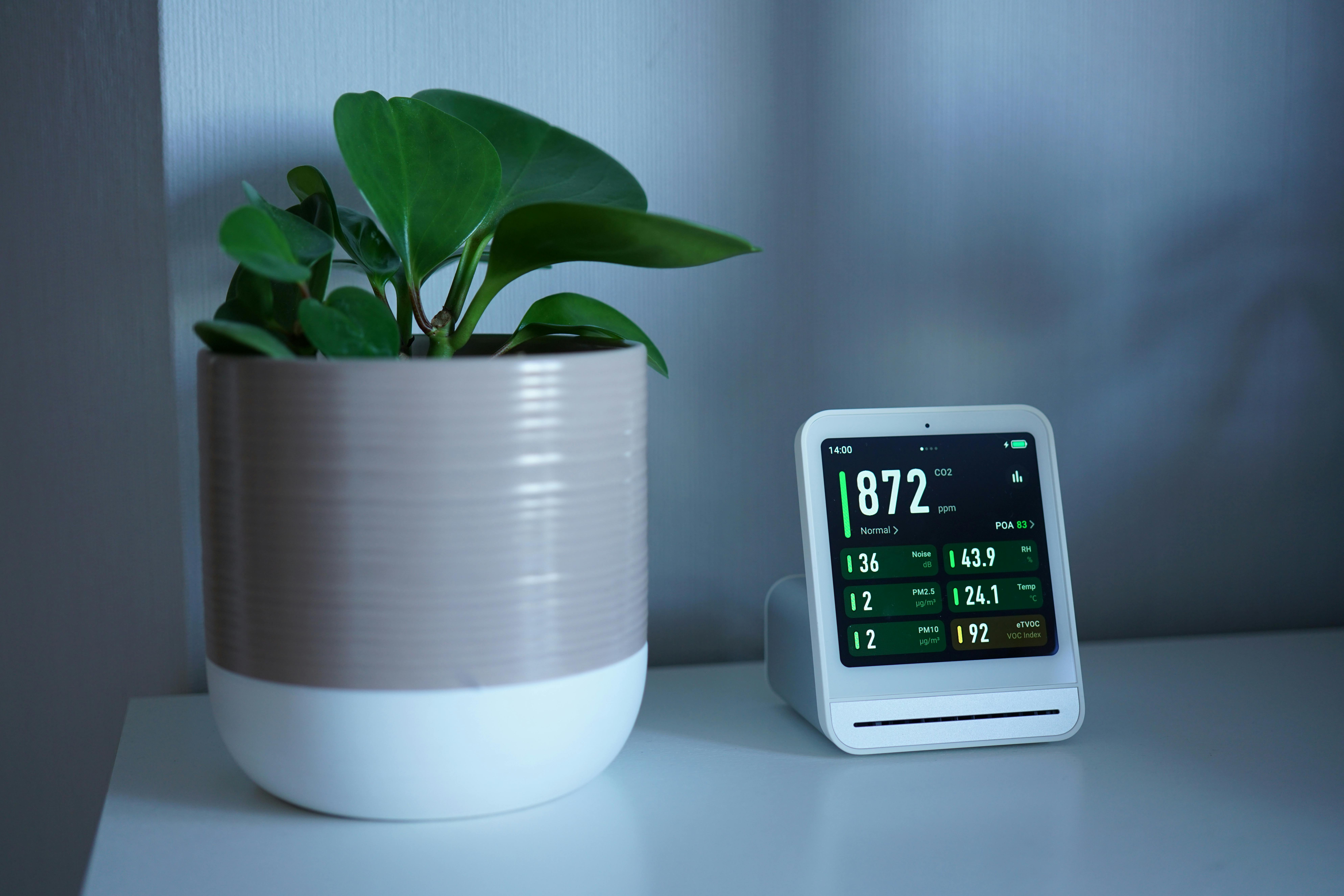
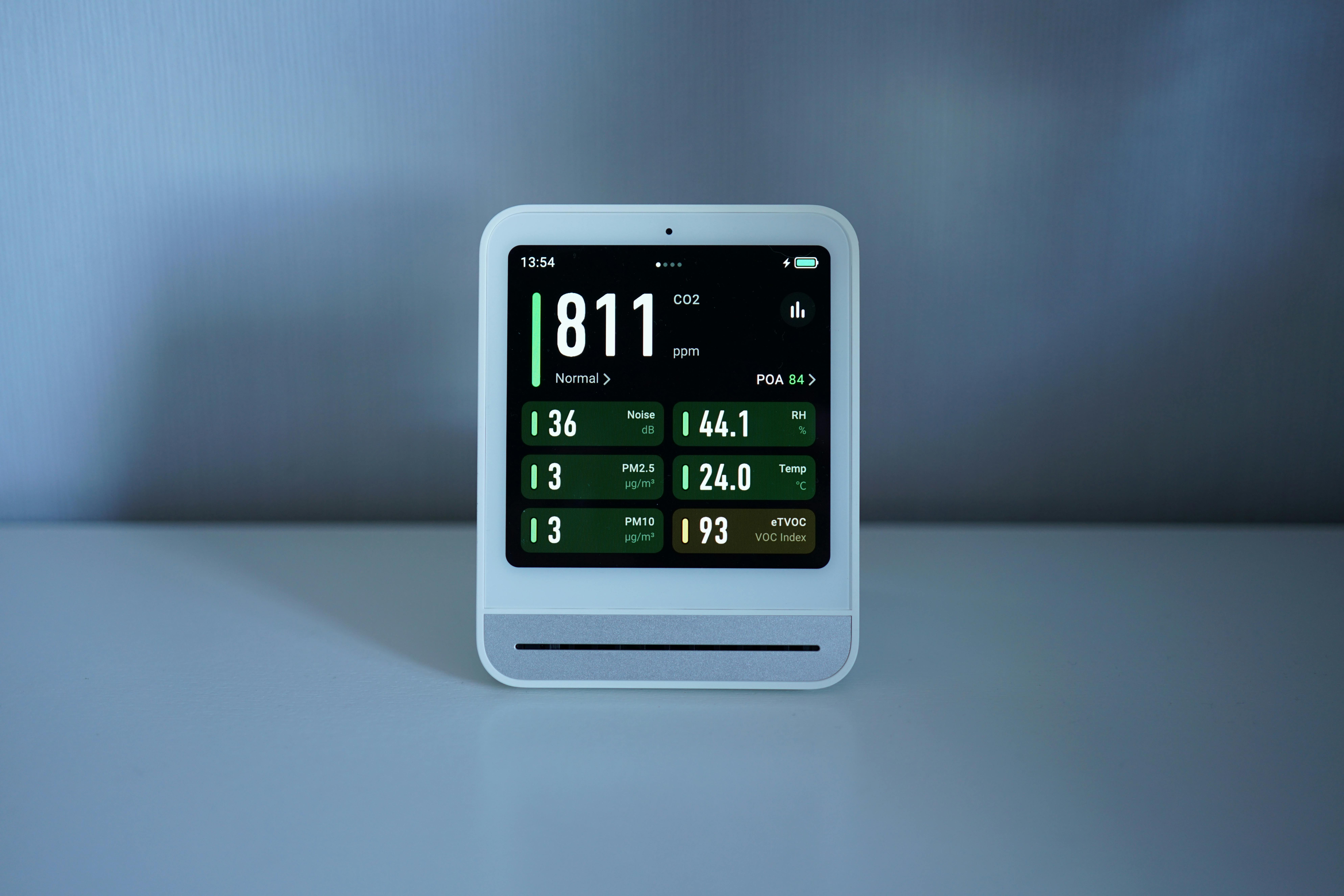
AQ modules are sophisticated sensor-equipped systems that continuously monitor multiple indoor air quality parameters including particulate matter (PM2.5 and PM10), carbon dioxide levels, volatile organic compounds, temperature, humidity, and other critical metrics. Unlike traditional building management systems that focus primarily on temperature control, these advanced modules provide comprehensive environmental intelligence that enables proactive health optimization.
Modern AQ modules integrate seamlessly with building automation systems, providing real-time alerts when air quality thresholds are breached and triggering automatic ventilation adjustments. This intelligent responsiveness distinguishes them from passive monitoring devices, transforming buildings into active health partners rather than neutral containers.
The technology behind these modules has advanced significantly, with sensors becoming more accurate, affordable, and capable of detecting an expanding range of contaminants. Many systems now incorporate machine learning algorithms that recognize patterns, predict air quality degradation before it occurs, and optimize ventilation schedules based on occupancy patterns and external conditions.
📊 Case Study 1: Corporate Office Transformation Drives 24% Productivity Increase
A Fortune 500 technology company with 850 employees across three floors experienced persistent complaints about stuffy air, afternoon fatigue, and higher-than-average sick leave rates. Despite investing in modern HVAC systems, employee satisfaction surveys consistently rated air quality as a major concern, directly impacting recruitment and retention efforts in a competitive talent market.
The facilities team implemented a comprehensive AQ module network with 45 sensors strategically positioned throughout workspaces, meeting rooms, and common areas. Within the first week, the data revealed shocking insights: CO2 levels in conference rooms regularly exceeded 1,500 ppm during afternoon meetings (well above the recommended 1,000 ppm threshold), and VOC concentrations spiked dramatically after weekend cleaning sessions.
Implementation Strategy and Results
The company took immediate corrective action based on AQ module data. They adjusted ventilation schedules to increase fresh air exchange during peak occupancy hours, switched to green-certified cleaning products, and introduced “air quality breaks” when CO2 levels approached concerning thresholds in meeting spaces.
After six months of continuous monitoring and optimization, the results were remarkable:
- Cognitive function test scores improved by 19% among employees working in optimized zones
- Sick leave decreased by 31%, saving the company approximately $580,000 annually
- Employee productivity metrics increased by 24%, measured through project completion rates and quality assessments
- Energy costs decreased by 17% through intelligent ventilation optimization rather than constant maximum airflow
- Employee satisfaction scores regarding workplace environment jumped from 62% to 89%
The company’s Chief Operations Officer noted that the return on investment exceeded 400% within the first year, considering reduced healthcare costs, improved retention, and enhanced productivity. The success led to company-wide deployment across 12 additional locations globally.
🎓 Case Study 2: Educational Institution Revolutionizes Student Performance
A progressive middle school serving 680 students faced challenges with student attention spans, particularly during afternoon classes. Teachers reported increased behavioral issues, and standardized test scores had plateaued despite curriculum improvements and additional teacher training investments.
The school administration partnered with environmental health researchers to install AQ modules in 32 classrooms, the gymnasium, cafeteria, and library. The monitoring revealed that classroom CO2 levels routinely exceeded 2,000 ppm by mid-afternoon—a concentration proven to significantly impair cognitive function and decision-making abilities in numerous studies.
Targeted Interventions Based on Data
Armed with precise air quality data, the school implemented several strategic changes. They restructured break schedules to ensure regular fresh air circulation through opened windows and doors, installed demand-controlled ventilation systems that automatically adjusted based on real-time CO2 readings, and created an “air quality dashboard” visible to teachers who could request ventilation boosts when needed.
Additionally, the school reduced sources of indoor pollution by switching to low-VOC art supplies, implementing shoe-removal policies in younger grades, and introducing air-purifying plants strategically placed based on AQ module hotspot identification.
The educational outcomes following these interventions were extraordinary:
- Standardized test scores increased by an average of 13 percentile points across all grade levels
- Teacher-reported attention and focus improved by 41% based on standardized behavioral assessment tools
- Disciplinary incidents decreased by 28%, particularly during afternoon periods
- Student and parent satisfaction ratings regarding school environment increased dramatically
- Absenteeism dropped by 19%, contributing to better learning continuity
The research partnership published findings that contributed to growing evidence supporting the critical connection between indoor air quality and educational outcomes, positioning the school as a model for healthy learning environments.
🏥 Case Study 3: Healthcare Facility Reduces Hospital-Acquired Infections
A 220-bed regional hospital struggled with hospital-acquired infection (HAI) rates that exceeded national benchmarks despite rigorous cleaning protocols and staff training. The infection control team recognized that airborne transmission pathways might be contributing to the problem but lacked specific data to identify problem areas or validate interventions.
The hospital invested in medical-grade AQ modules with enhanced pathogen detection capabilities, including particulate counters sensitive enough to track potential aerosol transmission patterns. Fifty-eight modules were deployed across patient rooms, surgical suites, waiting areas, and staff spaces, creating a comprehensive air quality surveillance network.
Critical Discoveries and Corrective Measures
The AQ module data revealed several critical issues previously invisible to traditional monitoring approaches. Ventilation was inadequate in specific patient wings during shift changes when staff movement increased particulate counts. Surgical suite air pressure differentials weren’t maintained consistently, potentially allowing contaminant infiltration. Waiting areas experienced dramatic air quality degradation during peak hours, creating potential transmission hotspots.
The hospital’s engineering and infection control teams collaborated to address these issues systematically. They recalibrated HVAC systems to maintain proper pressure relationships, installed additional filtration in high-risk areas, adjusted staff movement patterns during vulnerable periods, and implemented occupancy limits in waiting areas based on real-time air quality readings.
The health outcomes following these evidence-based interventions demonstrated the power of targeted air quality management:
- Hospital-acquired infection rates decreased by 37% over 18 months
- Surgical site infections dropped by 42%, significantly improving patient outcomes
- Average patient recovery times shortened by 1.3 days, improving bed turnover and reducing costs
- Staff sick days decreased by 23%, addressing a chronic staffing challenge
- Patient satisfaction scores regarding facility cleanliness and environment increased substantially
The hospital calculated that reduced HAI rates alone saved approximately $2.1 million annually in extended care costs, readmissions, and legal liability—a return that dwarfed the AQ module investment costs within the first year.
💡 Key Implementation Strategies Across Successful Case Studies
Analyzing these and numerous other successful AQ module deployments reveals common strategic elements that maximize impact and accelerate return on investment. Organizations that achieve transformative results consistently follow evidence-based implementation frameworks rather than treating air quality monitoring as merely a technical installation.
Strategic Sensor Placement and Coverage
Successful implementations position sensors based on occupancy patterns, ventilation system design, and potential contamination sources rather than arbitrary spacing. High-occupancy areas, spaces with limited natural ventilation, locations near potential pollution sources, and representative zones throughout buildings require priority coverage to capture meaningful data.
The most effective deployments create tiered monitoring networks with dense coverage in critical spaces supplemented by strategic sampling in lower-risk areas. This approach balances comprehensive data collection with cost-effectiveness, ensuring budgets focus on areas where improvements deliver maximum health and performance benefits.
Integration with Building Management Systems
AQ modules deliver exponentially greater value when integrated with existing building automation and HVAC control systems rather than functioning as standalone monitoring tools. This integration enables automatic responses to air quality degradation—increasing ventilation rates, activating filtration systems, or triggering alerts to facility managers before occupants experience discomfort or health impacts.
Advanced implementations incorporate predictive algorithms that analyze patterns and proactively adjust building systems based on anticipated occupancy, external air quality conditions, and historical data. This intelligent automation optimizes both health outcomes and energy efficiency simultaneously.
Stakeholder Engagement and Transparency
Organizations achieving the greatest success communicate air quality data transparently to occupants, building trust and demonstrating commitment to health and well-being. Digital displays showing real-time air quality metrics, mobile apps providing personalized environmental information, and regular reporting on improvements create accountability and engagement.
This transparency transforms air quality from an invisible background concern into a tangible organizational value, supporting recruitment, retention, and brand reputation. Occupants who understand that their environment is actively monitored and optimized report higher satisfaction regardless of occasional temporary air quality challenges.
🌟 The Science Behind the Success: Why Air Quality Matters So Much
The dramatic results documented in these case studies align with expanding scientific evidence demonstrating profound connections between indoor air quality and human performance. Understanding these mechanisms helps justify investments and sustain organizational commitment to ongoing monitoring and optimization.
Elevated CO2 concentrations, even at levels previously considered acceptable, directly impair cognitive function. Research published in Environmental Health Perspectives demonstrated that CO2 levels of 1,000 ppm—common in poorly ventilated spaces—reduced cognitive function scores by 15% compared to 600 ppm environments. At 2,500 ppm, performance declined by 50% across multiple cognitive domains including strategic thinking, information usage, and crisis response.
Particulate matter exposure triggers inflammatory responses that affect not only respiratory health but also cardiovascular function, immune system performance, and even mental health. Fine particles penetrate deep into lung tissue and enter the bloodstream, creating systemic health impacts that extend far beyond the respiratory system.
VOCs from building materials, furnishings, cleaning products, and personal care items create a complex chemical environment with documented effects on hormonal systems, neurological function, and long-term health outcomes. Many VOCs are known or suspected carcinogens, reproductive toxins, or endocrine disruptors even at low concentrations.
📈 Calculating Your ROI: The Business Case for AQ Modules
Financial decision-makers require compelling return-on-investment calculations to justify air quality monitoring investments. Fortunately, the business case for AQ modules has strengthened dramatically as implementation costs have decreased while documented benefits have expanded and become more precisely quantifiable.
Direct cost savings include reduced sick leave and associated healthcare expenses, decreased turnover and recruitment costs, lower energy consumption through optimized rather than excessive ventilation, and extended HVAC equipment lifespan through data-driven maintenance. These tangible savings typically justify investments within 18-36 months even before considering productivity improvements.
Productivity enhancements—though sometimes challenging to measure precisely—represent the largest economic impact. Conservative estimates suggest that even modest 5-10% productivity improvements in knowledge work environments generate returns that dwarf direct cost savings. Organizations with average employee compensation of $75,000 can realize $375,000-$750,000 in additional value per 100 employees annually from such improvements.
Risk mitigation value, while difficult to quantify prospectively, becomes clear when problems occur. Healthcare facilities avoid costly infection outbreaks, educational institutions prevent liability from negligent environmental management, and commercial buildings protect against tenant lawsuits related to sick building syndrome. AQ modules provide documentation demonstrating reasonable care and proactive management.
🚀 Getting Started: Practical Steps for Implementation Success
Organizations inspired by these case studies but uncertain about implementation processes can follow proven pathways that minimize risk and accelerate time-to-value. Starting with clear objectives, realistic scope, and appropriate expertise partnership positions projects for success rather than disappointment.
Begin with baseline assessment identifying current air quality conditions, problem areas, and improvement opportunities. Professional environmental consultants or qualified facilities engineering firms can conduct comprehensive evaluations that inform strategic planning and establish baseline metrics for measuring subsequent improvements.
Develop phased implementation plans that prioritize high-impact spaces rather than attempting immediate comprehensive coverage. Pilot projects in representative areas generate proof-of-concept data, refine operational procedures, and build organizational confidence before broader deployment.
Select technology solutions appropriate to organizational needs, technical capabilities, and budget constraints. Commercial-grade AQ modules vary significantly in sensor quality, data platform sophistication, integration capabilities, and ongoing support. Prioritize accuracy, reliability, and vendor stability over feature abundance or lowest initial cost.
Establish clear protocols for data review, threshold management, and response procedures before deploying systems. AQ modules generate value through informed action rather than passive data collection. Define who monitors data, what conditions trigger responses, and what interventions address different air quality challenges.
🌍 The Future of Healthy Buildings: Beyond Basic Monitoring
The field of indoor air quality management continues evolving rapidly, with emerging technologies and methodologies promising even greater health and performance benefits. Organizations implementing AQ modules today position themselves to leverage these advancing capabilities as they mature and become commercially viable.
Artificial intelligence and machine learning applications are transforming reactive monitoring into predictive health optimization. Advanced systems analyze complex patterns across multiple variables—occupancy, external conditions, seasonal factors, building characteristics—to forecast air quality challenges before they occur and automatically implement preventive measures.
Personalized environmental control represents another frontier, with technologies enabling individual workspace air quality optimization based on personal preferences, health conditions, and activity types. Imagine workspaces that automatically adjust ventilation, filtration, temperature, and humidity to optimize cognitive performance for specific tasks or accommodate individual sensitivities.
Integration with broader wellness initiatives creates comprehensive approaches addressing physical environment, behavioral factors, and organizational culture simultaneously. AQ modules become components of holistic health strategies rather than isolated technical systems, amplifying benefits through synergistic interactions.
🎯 Transforming Your Space: The Time to Act Is Now
The compelling evidence from real-world implementations demonstrates conclusively that AQ modules represent not optional luxury but essential infrastructure for any organization prioritizing occupant health, performance, and satisfaction. The technology has matured beyond experimental stages into proven, reliable, cost-effective solutions delivering measurable returns.
Whether you manage corporate offices seeking competitive talent advantages, educational institutions committed to optimizing learning outcomes, healthcare facilities focused on patient safety, or residential properties differentiating through health-promoting environments, air quality monitoring and management delivers transformative benefits that extend far beyond regulatory compliance.
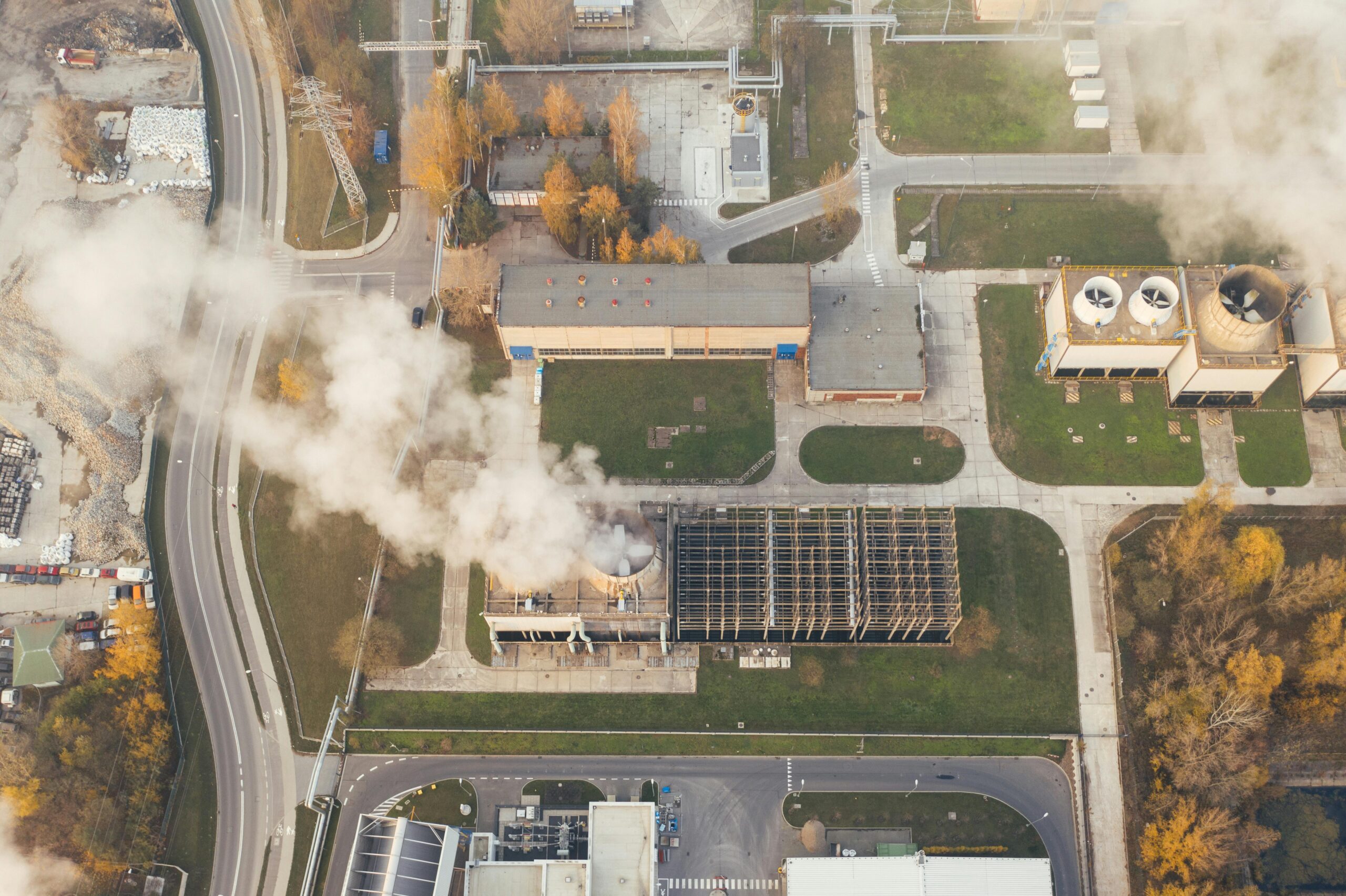
The invisible threats lurking in indoor air—CO2 accumulation, particulate infiltration, VOC emissions, inadequate ventilation—silently undermine everything you’re working to achieve. Making these invisible threats visible through comprehensive monitoring empowers informed decisions that protect health, enhance performance, and demonstrate authentic commitment to well-being.
Starting your journey toward healthier buildings begins with a single step: committing to understanding what’s actually happening in your indoor environment rather than assuming existing systems adequately protect occupants. The case studies presented here demonstrate that organizations taking this commitment seriously achieve remarkable results that justify investments many times over while creating environments where people genuinely thrive. ✨
The question isn’t whether you can afford to implement AQ modules—it’s whether you can afford not to, given the documented impacts on health, productivity, satisfaction, and organizational success. The buildings where we spend our lives should actively support our well-being rather than passively compromising it. With modern air quality monitoring technology, that vision has become an achievable reality waiting for your leadership to bring it to life in your spaces.