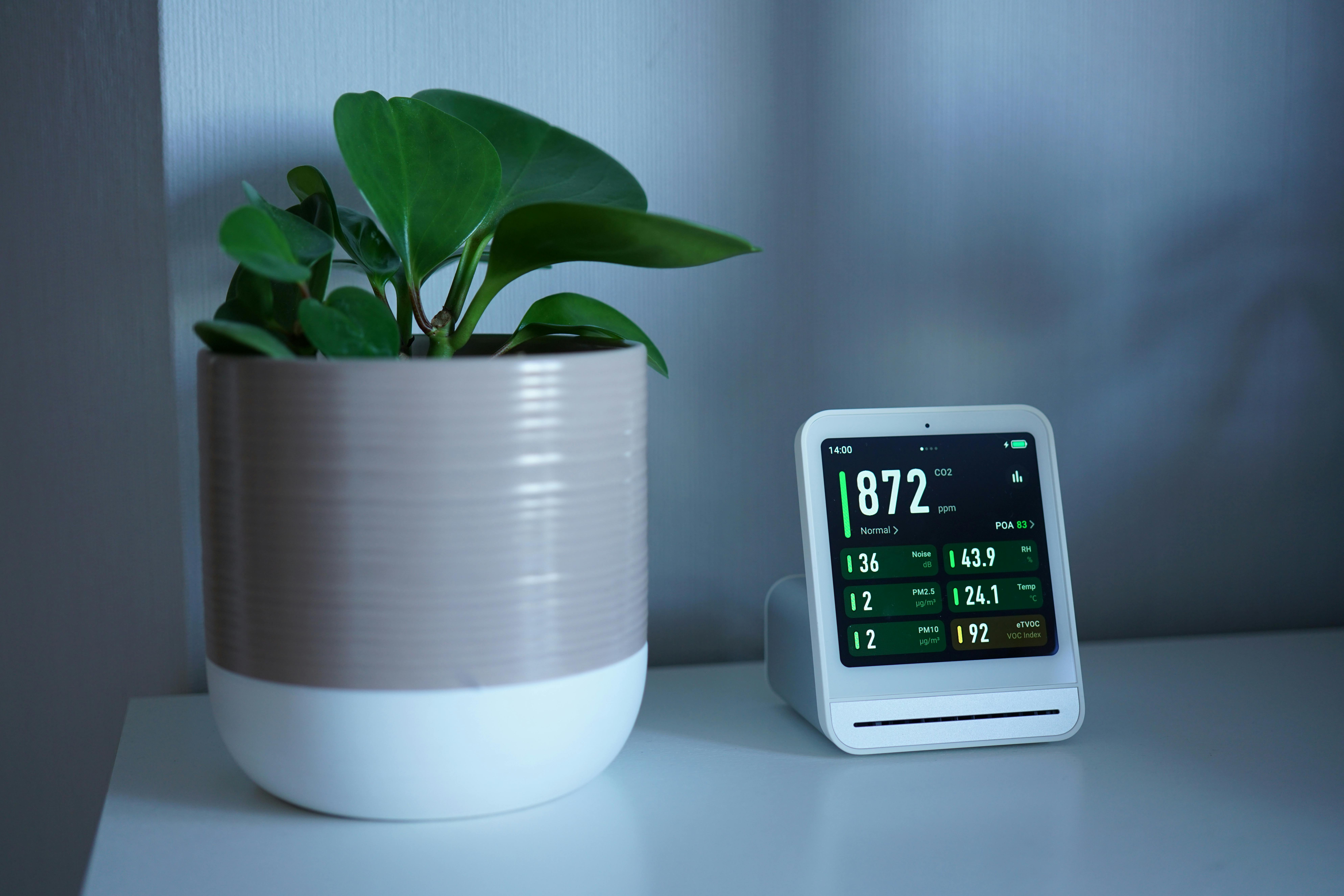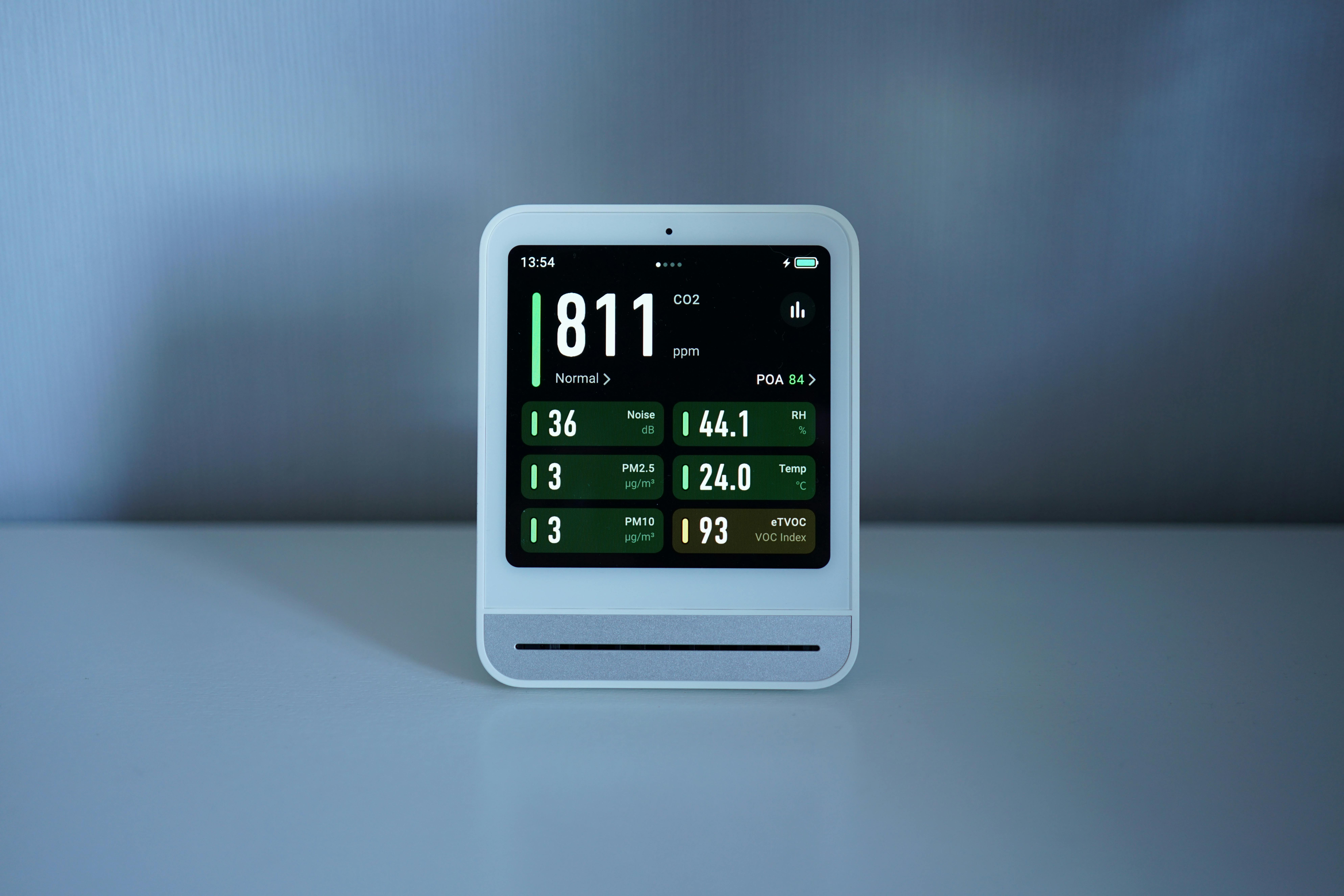
Indoor air quality affects our health more than most people realize, making air-quality monitoring essential for creating safer living and working spaces today.

🌬️ Why Indoor Air Quality Matters More Than Ever
We spend approximately 90% of our time indoors, whether at home, in offices, schools, or other enclosed spaces. During this time, we’re continuously exposed to various air pollutants that can significantly impact our health and well-being. Unlike outdoor air pollution, which receives considerable attention from environmental agencies and media, indoor air quality often remains overlooked despite being two to five times more polluted than outdoor air.
The COVID-19 pandemic brought renewed attention to indoor environments and the importance of proper ventilation. However, air quality concerns extend far beyond viral transmission. Indoor pollutants include volatile organic compounds (VOCs) from furniture and cleaning products, carbon dioxide from human respiration, particulate matter from cooking and dust, mold spores, radon gas, and various chemical irritants.
Poor indoor air quality contributes to numerous health issues, ranging from immediate effects like headaches, fatigue, and respiratory irritation to long-term conditions such as asthma, allergies, and even cardiovascular disease. Children, elderly individuals, and those with pre-existing health conditions are particularly vulnerable to these environmental stressors.
📊 Understanding Air-Quality Monitoring Technology
Air-quality modules are sophisticated devices designed to detect, measure, and report various pollutants and environmental parameters within indoor spaces. These compact sensors have become increasingly accessible and affordable, transforming from industrial-grade equipment into consumer-friendly products that anyone can use to monitor their home or office environment.
Modern air-quality monitors utilize multiple sensor technologies to provide comprehensive environmental assessments. These sensors work simultaneously to create a complete picture of your indoor air conditions, helping you identify problems before they impact your health.
Key Parameters Measured by Air-Quality Modules
Understanding what these devices measure helps you interpret the data they provide and take appropriate action. Here are the primary indicators tracked by quality air-monitoring systems:
- Particulate Matter (PM2.5 and PM10): Tiny particles suspended in the air that can penetrate deep into lungs and even enter the bloodstream
- Carbon Dioxide (CO2): Indicates ventilation effectiveness and can cause drowsiness and reduced cognitive function at elevated levels
- Volatile Organic Compounds (VOCs): Gaseous chemicals emitted from various household products, paints, and furnishings
- Carbon Monoxide (CO): A dangerous, odorless gas produced by incomplete combustion of fuels
- Temperature and Humidity: These factors affect comfort and can promote mold growth or respiratory irritation
- Formaldehyde: A common indoor pollutant from building materials and furniture
- Radon: A radioactive gas that can seep into buildings from the ground
🔬 How Air-Quality Sensors Actually Work
The technology behind air-quality modules combines various sensing mechanisms, each designed to detect specific pollutants or environmental conditions. Understanding these technologies helps appreciate the sophistication packed into these compact devices.
Laser scattering technology is commonly used for particulate matter detection. A laser beam illuminates air particles as they pass through a detection chamber, and sensors measure the scattered light to determine particle concentration and size. This method provides accurate real-time measurements of PM2.5 and PM10 levels.
For gas detection, modules employ several approaches. Electrochemical sensors react with specific gases to produce electrical signals proportional to concentration levels. Metal oxide semiconductor sensors change their electrical resistance when exposed to target gases. Non-dispersive infrared (NDIR) sensors measure how gases absorb specific wavelengths of infrared light, particularly effective for CO2 monitoring.
Temperature and humidity measurements typically use thermistors and capacitive humidity sensors, which are highly accurate and stable over time. These sensors provide the baseline environmental data that contextualizes other air-quality measurements.
🏠 Practical Applications in Different Indoor Environments
Air-quality modules serve various purposes across different indoor settings, each with unique monitoring priorities and intervention strategies.
Residential Spaces: Protecting Your Family’s Health
In homes, air-quality monitors help identify pollution sources and optimize ventilation strategies. Bedrooms require special attention since we spend significant time sleeping, and poor air quality can disrupt sleep and recovery. Kitchen monitoring reveals when cooking produces excessive particulates or carbon monoxide, signaling the need for better exhaust ventilation.
Living areas often accumulate VOCs from furniture, carpets, and cleaning products. Continuous monitoring helps you understand which products or activities most significantly impact your air quality, enabling informed decisions about household products and cleaning routines.
Office and Commercial Buildings: Enhancing Productivity
Research consistently shows that cognitive function declines in poorly ventilated spaces with elevated CO2 levels. Air-quality modules in offices can trigger ventilation adjustments to maintain optimal conditions for concentration and productivity. Studies have demonstrated that workers in well-ventilated offices with low pollutant levels perform significantly better on cognitive tests and report fewer health complaints.
Conference rooms are particularly problematic, as CO2 levels can rise rapidly when multiple people occupy a small space. Real-time monitoring allows facility managers to adjust HVAC systems or schedule breaks to maintain air quality during extended meetings.
Educational Institutions: Supporting Learning Environments
Schools and universities benefit tremendously from air-quality monitoring. Children are more vulnerable to air pollutants than adults, and poor air quality has been linked to increased absenteeism, reduced academic performance, and higher rates of respiratory illness among students.
Classrooms with inadequate ventilation often experience CO2 levels exceeding recommended thresholds, potentially impairing students’ cognitive abilities during critical learning hours. Air-quality modules provide data to justify ventilation improvements and help administrators optimize building operations for student health and performance.
💡 Choosing the Right Air-Quality Module for Your Needs
The market offers numerous air-quality monitoring solutions, ranging from basic single-sensor devices to comprehensive multi-parameter systems with advanced connectivity features. Selecting the appropriate device requires considering your specific monitoring objectives, budget, and technical requirements.
Essential Features to Consider
Accuracy and calibration are paramount. Professional-grade sensors provide more reliable data but come at higher costs. Consumer devices have improved significantly in recent years, offering reasonable accuracy for most residential applications. Check whether devices require periodic calibration and how this process is managed.
Connectivity options determine how you access and utilize your air-quality data. Wi-Fi-enabled devices can send alerts to your smartphone, integrate with smart home systems, and maintain historical data logs accessible from anywhere. Some modules feature local displays for immediate readings without requiring app access.
Battery life versus continuous power is another consideration. Portable battery-operated units offer flexibility in placement but require regular charging or battery replacement. Continuously powered devices eliminate this concern but restrict placement to locations near electrical outlets.
Data logging and analysis capabilities vary significantly among devices. Advanced modules store historical data, generate trend reports, and provide insights about patterns over time. This information is invaluable for identifying recurring issues and assessing the effectiveness of interventions.
📱 Integration with Smart Home Ecosystems
Modern air-quality modules increasingly integrate with broader smart home platforms, enabling automated responses to changing air conditions. This connectivity transforms passive monitoring into active environmental management.
Integration with HVAC systems allows automatic ventilation adjustments based on real-time air-quality data. When CO2 levels rise or VOC concentrations exceed thresholds, the system can increase fresh air intake or activate air purification systems without manual intervention.
Smart home assistants like Alexa, Google Assistant, or Apple HomeKit can provide voice-activated air-quality reports and control connected purifiers or ventilation systems. You can create automation routines that respond to specific conditions, such as increasing air purifier speed when particulate levels rise or opening smart windows when outdoor air quality is favorable.
Some advanced air-quality monitors feature IFTTT (If This Then That) compatibility, enabling creative automation possibilities. For example, you could configure alerts to family members’ phones when formaldehyde levels spike, or automatically turn on exhaust fans when cooking produces excessive particles.
🛠️ Implementing an Effective Monitoring Strategy
Simply purchasing an air-quality module isn’t enough; effective monitoring requires thoughtful implementation and ongoing engagement with the data. Strategic placement, proper interpretation, and appropriate responses maximize the value of your investment.
Optimal Sensor Placement Guidelines
Position monitors at breathing height (approximately 3-6 feet above floor level) away from direct airflows from vents, windows, or doors that might skew readings. Avoid placing sensors near pollution sources you want to measure overall room conditions rather than localized concentrations.
For comprehensive home monitoring, consider placing sensors in bedrooms, main living areas, and known problem zones like basements prone to moisture or rooms with poor ventilation. Multi-room monitoring reveals how air quality varies throughout your home and identifies which spaces need attention.
Interpreting Your Air-Quality Data
Understanding what different readings mean helps you respond appropriately to your monitor’s information. Most devices use color-coded indicators or air quality index (AQI) scores to simplify interpretation, but deeper understanding enables more nuanced responses.
| Parameter | Good Range | Action Threshold | Health Concern |
|---|---|---|---|
| CO2 | 400-1000 ppm | >1000 ppm | Drowsiness, reduced cognition |
| PM2.5 | 0-12 μg/m³ | >35 μg/m³ | Respiratory irritation, cardiovascular stress |
| VOCs | 0-220 ppb | >660 ppb | Eye/throat irritation, headaches |
| Humidity | 30-50% | <30% or >60% | Dry skin/respiratory or mold growth |
🌱 Taking Action: Improving Your Indoor Air Quality
Monitoring alone doesn’t improve air quality; the real value comes from using data to guide effective interventions. Fortunately, many solutions are straightforward and relatively inexpensive to implement.
Ventilation is often the most effective intervention. Simply opening windows when outdoor air quality is good can dramatically reduce indoor pollutant concentrations. Mechanical ventilation systems with heat recovery maintain fresh air supply while minimizing energy loss. Range hoods and bathroom exhaust fans should be used consistently to remove pollutants at their source.
Source control addresses problems at their origin. Choose low-VOC paints, furniture, and cleaning products. Store chemicals in sealed containers outside living spaces. Implement no-shoe policies to reduce tracked-in particulates. Use doormats and regular vacuuming with HEPA-filtered vacuum cleaners to control dust.
Air purification provides additional protection when ventilation and source control aren’t sufficient. HEPA filters effectively capture particulate matter, while activated carbon filters address gases and odors. Some purifiers include UV-C light or photocatalytic oxidation for additional purification. Match purifier capacity to room size for optimal performance.
Humidity control prevents mold growth and dust mite proliferation while maintaining respiratory comfort. Dehumidifiers help in damp climates or problem areas like basements. Humidifiers address dry winter air in heated homes. Most air-quality modules monitor humidity, allowing you to maintain optimal levels year-round.
🔮 The Future of Indoor Air-Quality Monitoring
Air-quality monitoring technology continues to evolve rapidly, with several emerging trends promising even more capable and accessible solutions in coming years.
Artificial intelligence and machine learning are being integrated into advanced systems to provide predictive insights and personalized recommendations. These systems learn your home’s patterns, predict when air-quality issues are likely to occur, and suggest preventive measures based on your specific circumstances.
Miniaturization continues to advance, with researchers developing sensor technologies small enough to integrate into existing home devices like thermostats, smoke detectors, or smart speakers. This invisible monitoring will make comprehensive air-quality tracking ubiquitous without additional dedicated devices.
Increased sensor specificity is enabling detection of a broader range of pollutants at lower concentrations. Next-generation modules will identify specific VOC compounds rather than just total VOC levels, helping pinpoint exact pollution sources. Biological contaminant detection for allergens, mold spores, and even pathogens is becoming increasingly feasible at consumer price points.
Community air-quality networks are emerging, where individual monitors contribute data to shared platforms mapping air quality across neighborhoods and cities. This crowdsourced approach provides unprecedented insight into local air-quality patterns and helps communities identify pollution hotspots requiring attention.
💪 Empowering Healthier Indoor Environments
Air-quality modules represent a powerful tool for taking control of the environments where we spend most of our lives. These devices transform invisible air quality from an abstract concern into tangible, actionable data that drives meaningful improvements in health and comfort.
The investment in air-quality monitoring pays dividends through reduced health issues, improved cognitive performance, better sleep quality, and enhanced overall well-being. As these technologies become more sophisticated and affordable, there’s no reason to remain ignorant about the air you breathe daily.
Whether you’re concerned about family health, seeking to optimize workplace productivity, or simply curious about your indoor environment, air-quality modules provide insights that were previously accessible only through expensive professional assessments. The technology empowers individuals to identify problems, implement solutions, and verify improvements through objective measurements.
By understanding what these modules measure, how they work, and how to respond to the information they provide, you can create healthier indoor environments that support rather than compromise your health. In an era where environmental health consciousness is rising, air-quality monitoring represents a practical, evidence-based approach to protecting yourself and those you care about from the hidden hazards lurking in indoor air.
The air you breathe matters profoundly. With modern air-quality monitoring technology, you no longer need to wonder about your indoor environment’s safety—you can know, understand, and take action to breathe easier every day. ✨