Understanding air quality is no longer optional—it’s essential for protecting our health and making informed decisions about our daily activities in an increasingly polluted world. 🌍

The Air Quality Index has become a crucial tool in our modern lives, yet many people struggle to interpret the numbers and symbols provided by monitoring stations and personal sensors. As urbanization accelerates and environmental concerns intensify, knowing how to read and respond to AQI data can literally be a breath of fresh air for your health.
This comprehensive guide will walk you through everything you need to know about deciphering air quality sensor data, understanding what those numbers really mean, and taking actionable steps to protect yourself and your loved ones from harmful air pollutants.
What Exactly Is the Air Quality Index? 🔍
The Air Quality Index is a standardized system designed to communicate how polluted the air currently is or how polluted it is forecast to become. Think of it as a translator that converts complex atmospheric data into simple, color-coded categories that anyone can understand at a glance.
Developed by environmental protection agencies worldwide, the AQI runs on a scale typically from 0 to 500, with higher values indicating greater levels of air pollution and increased health concerns. The system monitors several key pollutants that pose the greatest threats to human health and the environment.
Different countries may use slightly different scales, but the underlying principle remains consistent: providing accessible information that empowers people to make health-conscious decisions about outdoor activities, exercise, and exposure times.
The Pollutants Behind the Numbers
Air quality sensors don’t measure just one thing—they track multiple pollutants simultaneously, each with distinct health implications. Understanding what’s being measured helps you appreciate why certain AQI readings demand immediate attention.
Particulate Matter: The Invisible Threat
Particulate matter comes in two primary sizes that sensors monitor: PM2.5 and PM10. The numbers refer to the diameter of particles in micrometers. PM2.5 particles are particularly dangerous because they’re small enough to penetrate deep into lung tissue and even enter the bloodstream.
These microscopic particles originate from vehicle emissions, industrial processes, construction activities, and natural sources like wildfires and dust storms. Modern sensors use laser technology to count and size these particles, providing real-time concentration measurements.
Ground-Level Ozone and Gaseous Pollutants
While ozone in the upper atmosphere protects us from harmful UV radiation, ground-level ozone is a harmful pollutant formed when nitrogen oxides and volatile organic compounds react in sunlight. Sensors detect this invisible gas using electrochemical or optical methods.
Additional gaseous pollutants monitored include nitrogen dioxide (NO2), sulfur dioxide (SO2), and carbon monoxide (CO). Each poses unique health risks, from respiratory irritation to cardiovascular stress, making their measurement critical for comprehensive air quality assessment.
Breaking Down the Color-Coded System 🎨
The genius of the AQI lies in its visual simplicity. Most systems use six color-coded categories that correspond to specific AQI ranges and health advisory levels.
| AQI Range | Category | Color | Health Implications |
|---|---|---|---|
| 0-50 | Good | Green | Air quality is satisfactory, no health risks |
| 51-100 | Moderate | Yellow | Acceptable; sensitive individuals should limit prolonged outdoor exertion |
| 101-150 | Unhealthy for Sensitive Groups | Orange | Children, elderly, and those with respiratory conditions may experience effects |
| 151-200 | Unhealthy | Red | Everyone may experience health effects; sensitive groups at greater risk |
| 201-300 | Very Unhealthy | Purple | Health alert; everyone may experience serious effects |
| 301-500 | Hazardous | Maroon | Emergency conditions; entire population affected |
When checking your local air quality, the reported AQI represents the highest value among all monitored pollutants. If PM2.5 generates an AQI of 125 while ozone produces 80, the overall AQI reported would be 125, placing conditions in the “Unhealthy for Sensitive Groups” category.
How Air Quality Sensors Actually Work
Modern air quality monitoring relies on sophisticated sensor technology that has become increasingly accessible and affordable. Understanding the mechanics behind these devices helps you evaluate data reliability and choose appropriate monitoring solutions.
Professional-Grade Monitoring Stations
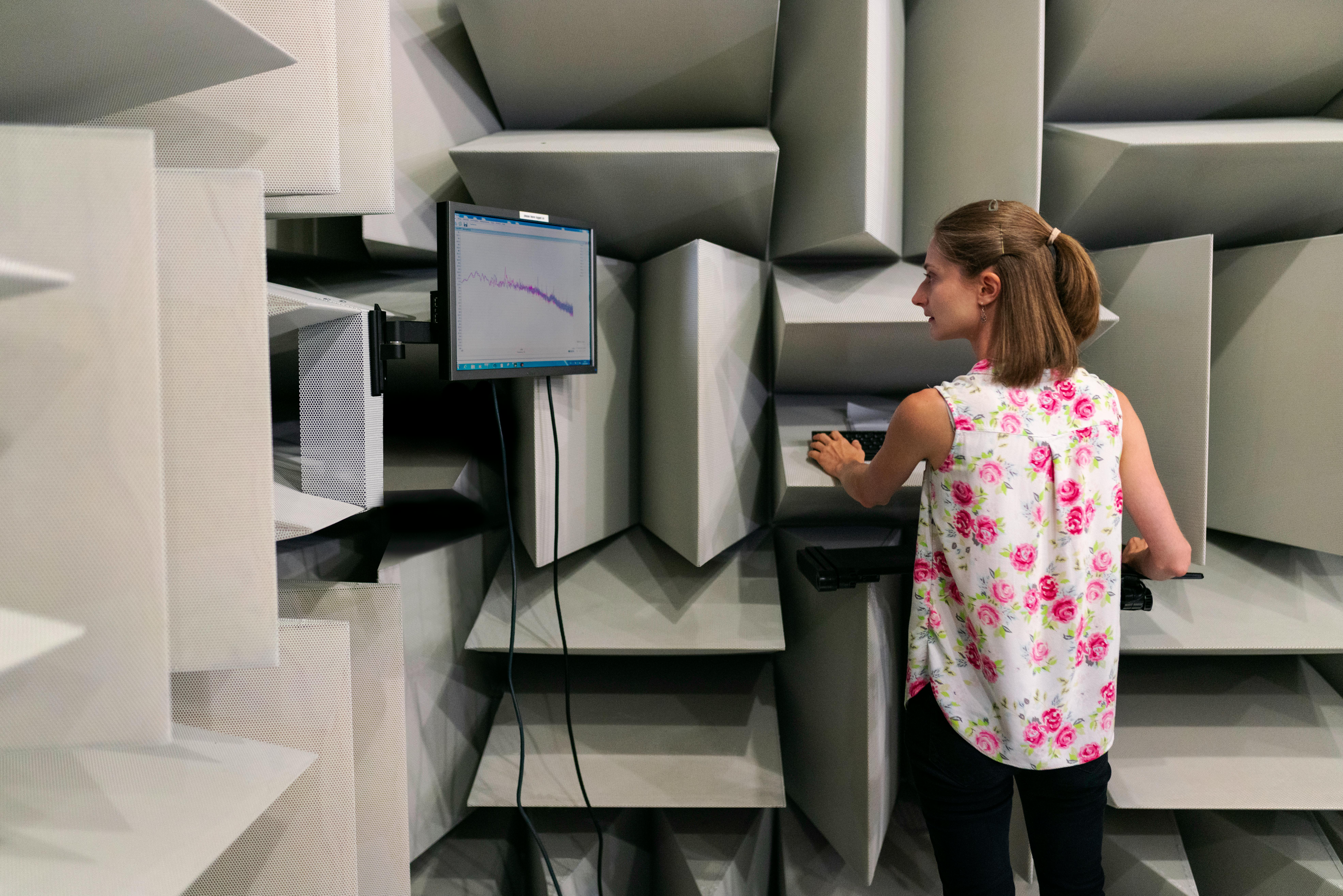
Government and research facilities deploy reference-grade instruments that use highly accurate but expensive technologies. These stations employ beta attenuation monitors for particulates, chemiluminescence analyzers for nitrogen oxides, and UV photometry for ozone detection.
Data from these stations undergoes rigorous quality control and calibration procedures, making them the gold standard for official AQI reporting. However, their limited geographic distribution means they may not capture hyper-local variations in air quality.
Consumer-Grade Sensors: Democratizing Air Quality Data
The proliferation of affordable consumer sensors has revolutionized air quality monitoring. These devices typically use optical particle counters for PM measurements and metal oxide or electrochemical sensors for gases.
While not as precise as reference equipment, modern consumer sensors provide remarkably useful data when properly maintained and interpreted. Networks of these devices create dense monitoring grids that capture neighborhood-level variations professional stations miss.
Reading Your Sensor Data Like a Pro 📊
Owning an air quality sensor is just the beginning—interpreting its output correctly transforms raw numbers into actionable intelligence for protecting your health.
Understanding Concentration vs. Index Values
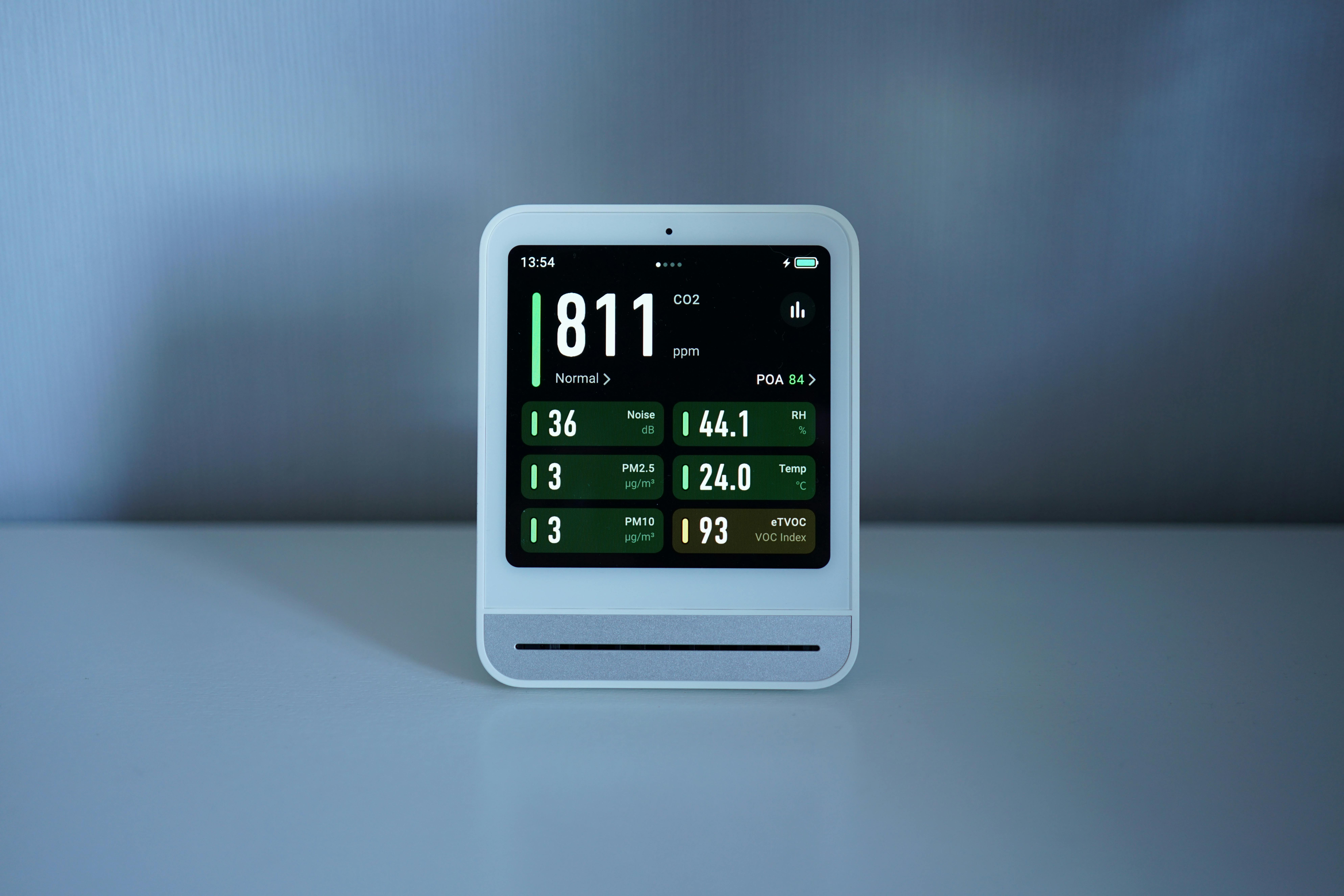
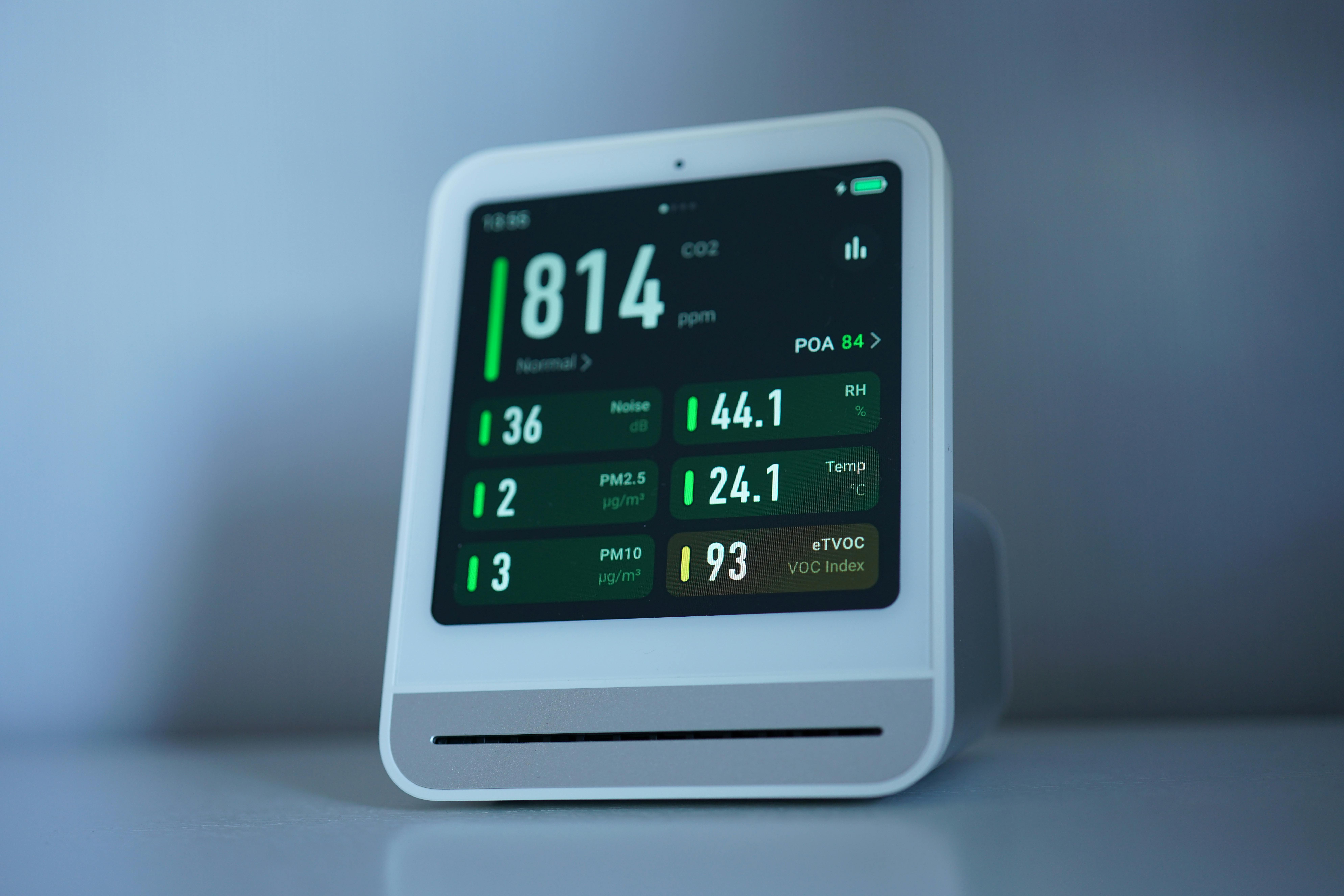
Sensors often display both concentration measurements (micrograms per cubic meter for particulates) and calculated AQI values. A PM2.5 reading of 35 μg/m³ translates to an AQI of approximately 100, marking the boundary between “Good” and “Moderate” categories.
The AQI calculation uses segmented linear functions defined by breakpoint tables. While the math can be complex, most modern sensors and apps handle this conversion automatically, presenting you with the easy-to-understand index value.
Temporal Patterns and Trends Matter
A single reading provides a snapshot, but tracking patterns over hours and days reveals the true air quality story. Morning readings often differ dramatically from afternoon values, especially for ozone, which peaks during sunny, warm conditions.
Look for recurring patterns: traffic-related pollution typically spikes during rush hours, while nighttime temperature inversions can trap pollutants near the ground. Recognizing these cycles helps you plan outdoor activities during cleaner air windows.
Indoor vs. Outdoor Monitoring Strategies
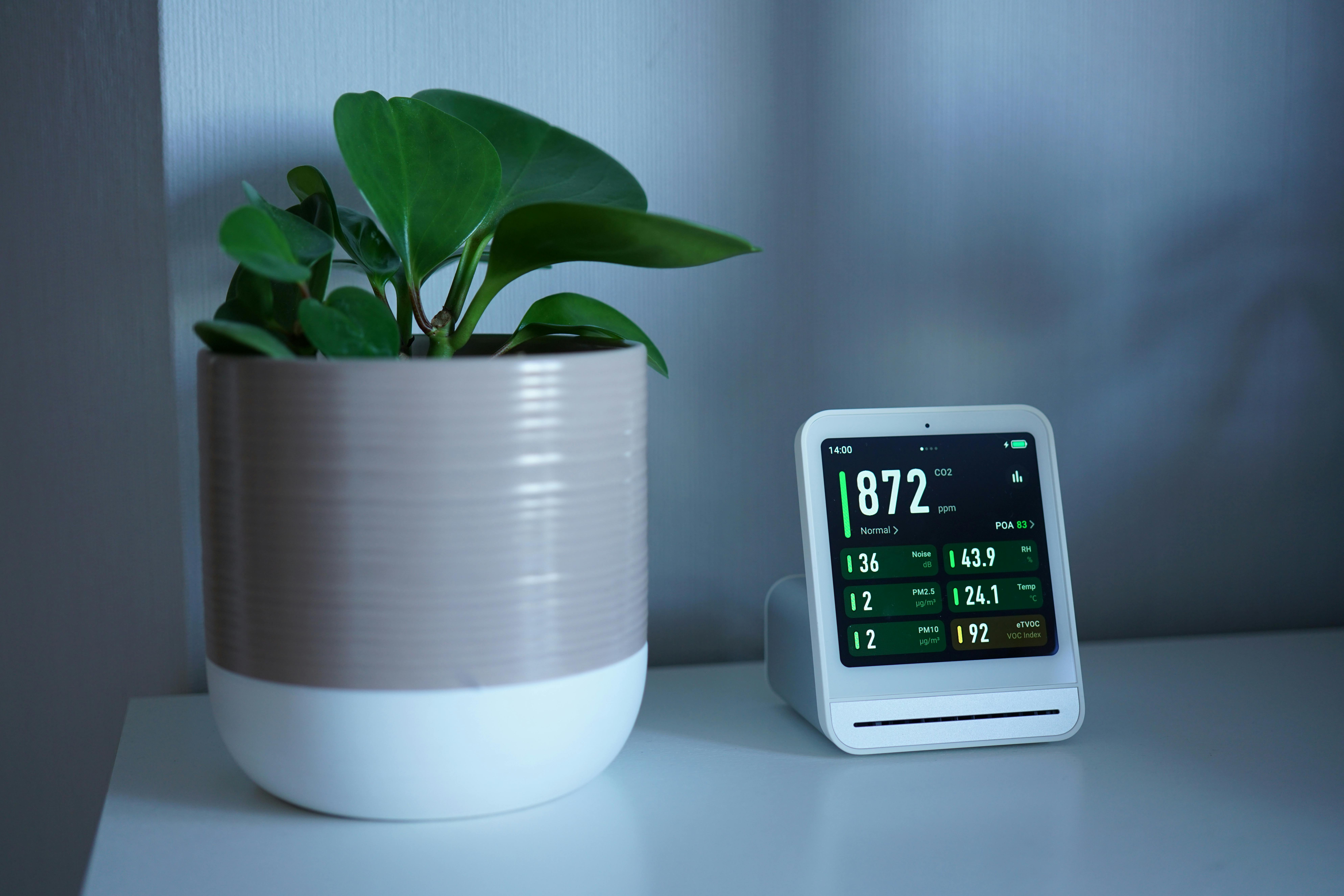
If you’re monitoring indoor air quality, remember that readings should ideally remain lower than outdoor levels—your home acts as a protective barrier. When indoor AQI exceeds outdoor readings, you’ve identified sources that need addressing, such as cooking emissions, cleaning products, or inadequate ventilation.
Position indoor sensors away from direct emission sources and air circulation patterns for representative readings. Outdoor sensors should have weather protection while maintaining good airflow around the sensing elements.
Taking Action Based on AQI Readings 🏃
Knowledge becomes power only when translated into protective actions. Different AQI levels call for graduated responses that balance health protection with quality of life.
Green Zone (0-50): Breathe Easy
When your sensor shows green, air quality poses minimal risk. This is the ideal time for outdoor exercise, children’s play, and activities for those with respiratory sensitivities. Take advantage of these clean air windows to enjoy nature and physical activity without concern.
Yellow Zone (51-100): Proceed with Awareness
Moderate air quality means most people can proceed normally, but unusually sensitive individuals might notice mild effects during extended outdoor exertion. If you have asthma or other respiratory conditions, monitor how you feel and consider shorter, less intense outdoor sessions.
Orange Zone (101-150): Protect the Vulnerable
Children, older adults, pregnant women, and anyone with heart or lung disease should reduce prolonged outdoor exertion. Healthy adults can generally maintain normal activities but might choose less strenuous options. Consider indoor exercise alternatives when readings reach this level.
Red Zone and Beyond (151+): Serious Protective Measures
When readings reach unhealthy levels, everyone should reduce outdoor exposure. Reschedule outdoor activities, keep windows closed, and run air purifiers if available. Those in sensitive groups should remain indoors in filtered air environments whenever possible.
At very unhealthy and hazardous levels (purple and maroon), treat the situation as a health emergency. Schools may close, outdoor work should cease, and even indoor environments need attention to prevent infiltration of outdoor air.
Enhancing Your Indoor Air Quality Arsenal 🏠
Your home represents the environment you control most directly. Combining sensor data with strategic interventions creates a healthier indoor atmosphere regardless of outdoor conditions.
Strategic Ventilation Management
Use your sensor data to optimize when you ventilate. Open windows during green AQI periods to flush indoor pollutants. Close everything when outdoor readings climb, relying instead on air purifiers and HVAC filtration to maintain indoor quality.
HEPA filtration removes 99.97% of particles 0.3 micrometers and larger, effectively addressing PM2.5 concerns. Activated carbon filters tackle gaseous pollutants and odors. Size your purification capacity to your room volume for maximum effectiveness.
Source Control: The First Line of Defense
Preventing indoor pollution beats cleaning it up. Use your sensor to identify problem activities—cooking, cleaning product use, candle burning—and modify behaviors accordingly. Range hoods vented outside remove cooking emissions before they circulate through your home.
Leveraging Technology for Smarter Monitoring 📱
Smartphone apps and integrated platforms transform sensor data into comprehensive air quality intelligence systems accessible anywhere.
Many applications aggregate data from multiple sources, combining government monitoring stations, crowd-sourced sensors, and weather forecasts to provide hyperlocal air quality predictions. Push notifications alert you when conditions deteriorate, enabling proactive protection.
Some apps offer health tracking features that correlate air quality exposure with symptoms, helping you identify personal sensitivity thresholds. Others provide historical data analysis, revealing long-term trends and helping you make informed decisions about where to live, work, or exercise.
The Future of Air Quality Sensing 🚀
Sensor technology continues evolving rapidly, with exciting developments promising even better air quality intelligence in coming years.
Miniaturization is producing wearable sensors that track personal exposure rather than ambient conditions, accounting for your actual movements and microenvironments throughout the day. These devices provide unprecedented insight into individual pollution exposure profiles.
Artificial intelligence and machine learning algorithms are improving predictive capabilities, forecasting air quality hours or days in advance with increasing accuracy. These predictions enable proactive planning rather than reactive responses to deteriorating conditions.
Expanded pollutant panels in next-generation sensors will monitor additional compounds like volatile organic chemicals, ultrafine particles below PM2.5, and biological contaminants, creating more comprehensive environmental health pictures.
Building Healthier Communities Through Data 🌱
Individual sensor ownership contributes to broader public health initiatives when data is shared appropriately. Crowd-sourced monitoring networks create detailed pollution maps that identify hotspots and environmental justice issues.
This democratized data empowers communities to advocate for policy changes, industrial emissions controls, and urban planning decisions that prioritize clean air. When residents can document air quality problems with objective sensor data, officials face pressure to implement solutions.
Schools, workplaces, and public facilities increasingly deploy sensor networks to protect vulnerable populations and demonstrate environmental responsibility. This transparency builds trust and ensures accountability for maintaining healthy indoor environments.
Making Air Quality Literacy Your Superpower 💪
Deciphering AQI data from sensors represents more than technical knowledge—it’s a fundamental life skill for the 21st century. Air pollution contributes to millions of premature deaths annually worldwide, making personal air quality literacy a genuine survival skill.
Start by establishing your baseline: monitor your local conditions for several weeks to understand typical patterns and variations. Learn how weather influences readings in your area—wind disperses pollutants while inversions trap them.
Share your knowledge with family, friends, and neighbors. Air quality affects entire communities, and collective awareness drives individual protective actions and broader systemic improvements. Teaching children to understand AQI prepares them for a lifetime of health-conscious environmental awareness.
Remember that perfect air quality isn’t always achievable, but informed decisions dramatically reduce exposure risks. Even modest reductions in pollution exposure yield measurable health benefits, from improved respiratory function to reduced cardiovascular strain.
By mastering the AQI code and learning to interpret sensor data effectively, you’ve taken control of an environmental health factor that profoundly influences your wellbeing. Every informed decision about when to exercise outdoors, whether to open windows, or how to protect vulnerable family members represents a victory for your health in our complex atmospheric environment.
The air we breathe fundamentally shapes our health trajectory, yet it remains invisible until measurement reveals its true nature. Your sensor is your window into this hidden world, and your knowledge transforms its data into protective action. Breathe easier knowing you’re equipped to navigate air quality challenges with confidence and wisdom. 🌬️