Transform your living space into an eco-friendly haven by building your own environmental sensors that monitor the quality of air, water, and other vital elements around you. 🌱

Why Monitor Your Home Environment? The Hidden Dangers Lurking Around You
Most people assume their homes are safe sanctuaries, but indoor environments can harbor invisible threats that significantly impact health and well-being. Indoor air pollution can be up to five times worse than outdoor air, according to the Environmental Protection Agency. From volatile organic compounds released by furniture and cleaning products to harmful particulates from cooking, our homes accumulate contaminants we rarely think about.
Water quality issues aren’t limited to developing nations either. Even in areas with treated municipal water, pipes can leach lead, copper, or other metals into your drinking supply. Understanding what’s in your environment empowers you to take corrective action before minor issues become major health concerns.
DIY environmental sensors offer an affordable, customizable solution for concerned homeowners. Rather than relying on expensive professional testing or generic consumer devices with limited functionality, building your own sensors gives you complete control over what you measure and how you respond to the data.
Getting Started: Essential Components for Your DIY Environmental Monitoring System 🔧
Before diving into specific sensor projects, you’ll need to understand the basic building blocks that power most DIY environmental monitoring systems. The good news is that these components have become increasingly affordable and accessible to hobbyists and concerned citizens alike.
The heart of most DIY sensor projects is a microcontroller—a small computer that reads sensor data and processes it. Popular options include Arduino boards, Raspberry Pi devices, and ESP32 modules. Arduino boards are excellent for beginners due to their simplicity and extensive community support. Raspberry Pi offers more computing power for complex data analysis and visualization. ESP32 modules provide built-in WiFi connectivity for creating Internet of Things (IoT) solutions.
Beyond the microcontroller, you’ll need sensors specific to what you want to measure, connecting wires or breadboards for assembly, a power supply, and potentially a display screen or method to transmit data to your smartphone or computer. Most projects require minimal soldering skills, with many components designed for plug-and-play convenience.
Budget Considerations and Where to Source Components
A basic air quality monitoring system can be assembled for under $50, while more sophisticated multi-sensor setups might cost $100-200. Compare this to commercial environmental monitors that often exceed $300 for limited functionality, and the value proposition becomes clear.
Online retailers like Amazon, AliExpress, and specialized electronics suppliers such as Adafruit and SparkFun offer comprehensive component selections. Many vendors sell sensor kits bundled with microcontrollers and necessary accessories, simplifying the purchasing process for newcomers.
Building Your First Project: DIY Air Quality Monitor for Indoor Spaces 🌬️
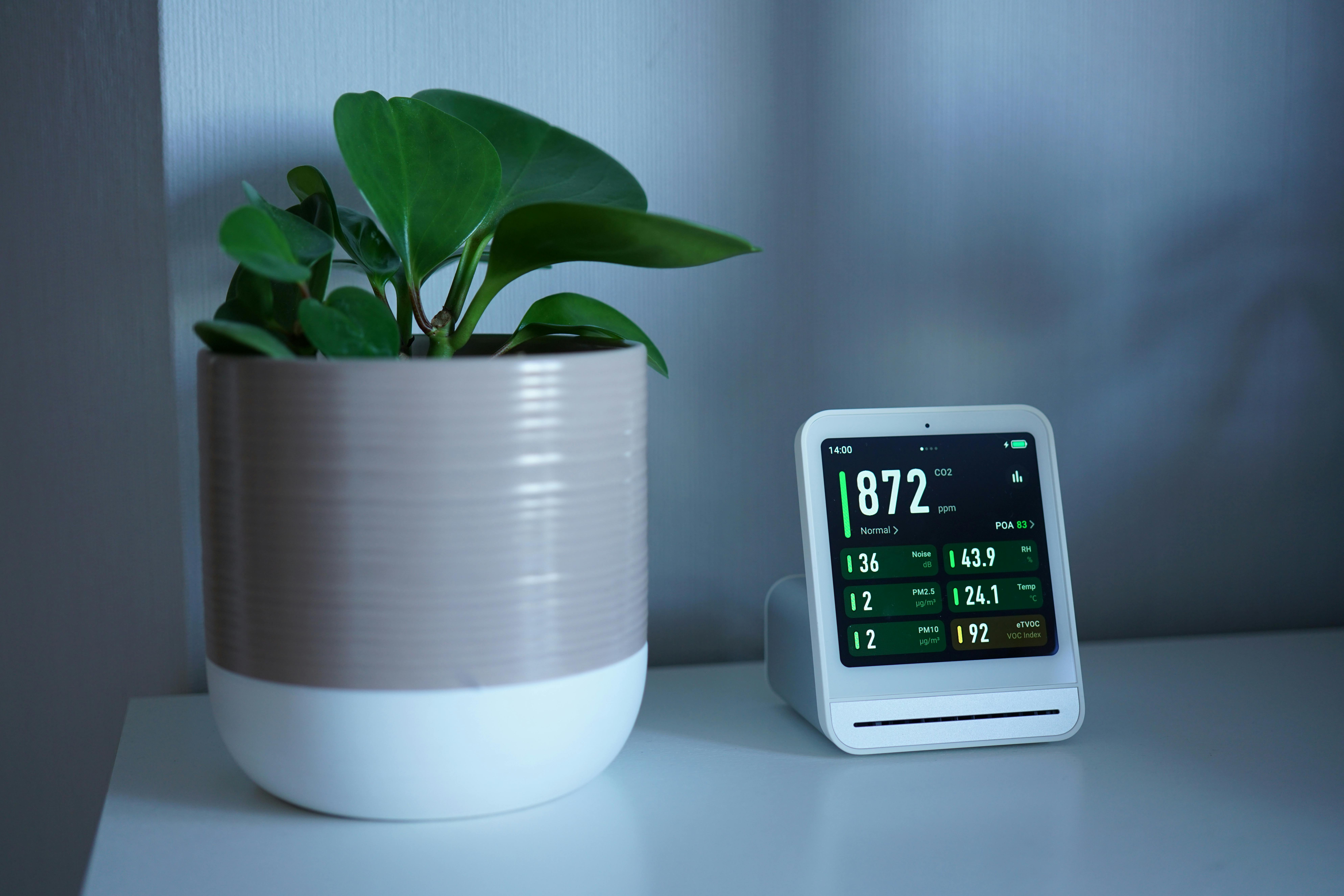
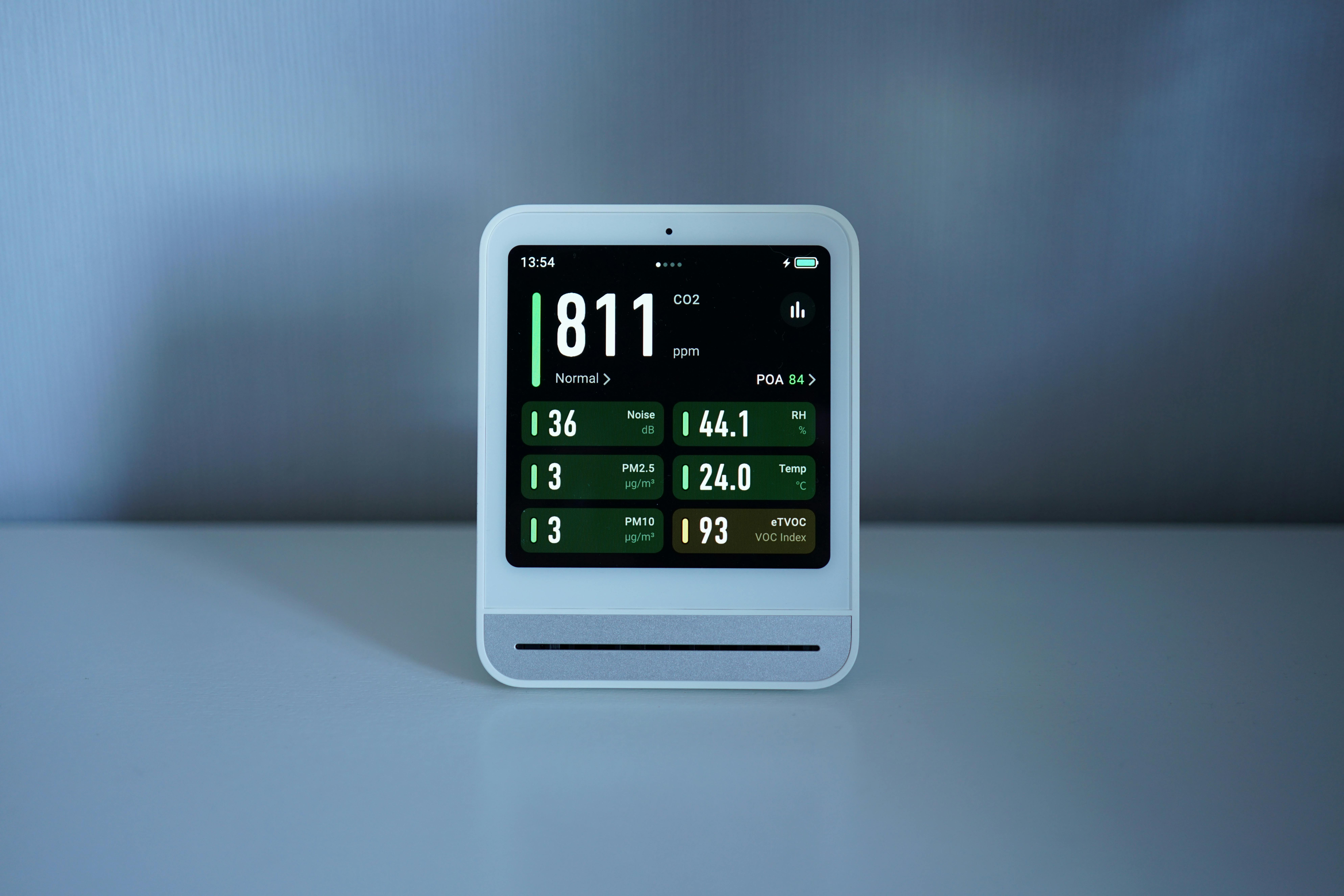
Air quality monitoring represents an ideal starting point for DIY environmental sensing. Indoor air contains various pollutants including particulate matter, carbon dioxide, volatile organic compounds, and humidity extremes that affect comfort and health.
For a comprehensive air quality monitor, consider incorporating these sensors:
- PM2.5/PM10 particulate sensor – Measures fine particles from cooking, dust, and outdoor pollution that infiltrate your home
- CO2 sensor – Monitors carbon dioxide levels that indicate ventilation adequacy and can cause drowsiness at elevated concentrations
- VOC sensor – Detects volatile organic compounds from paints, cleaning products, and off-gassing furniture
- Temperature and humidity sensor – Tracks comfort levels and conditions that promote mold growth
The PMS5003 particulate sensor paired with an MQ-135 gas sensor and DHT22 temperature/humidity sensor creates a powerful monitoring trio. Connect these to an ESP32 microcontroller, and you can transmit real-time data to your smartphone via WiFi.
Programming Your Air Quality Monitor
The Arduino IDE provides a user-friendly environment for programming your microcontroller. Numerous open-source code libraries exist for popular sensors, meaning you often need to modify existing examples rather than write code from scratch.
Your program will typically read sensor values at regular intervals, apply any necessary calibration, and then display or transmit the results. For beginners, starting with code that displays readings on a small OLED screen attached to your device offers immediate gratification and easier troubleshooting than wireless connectivity.
Once comfortable with basic functionality, you can expand to send data to platforms like ThingSpeak or Blynk, which provide cloud storage and visualization tools for your environmental data.
Water Quality Testing: Protecting Your Family’s Health One Drop at a Time 💧
Water quality concerns extend beyond taste and odor. Contaminants including heavy metals, bacteria, pH imbalances, and dissolved solids can all impact health, especially for vulnerable populations like children and the elderly.
DIY water quality sensors can monitor several critical parameters. A TDS (Total Dissolved Solids) sensor measures the concentration of dissolved substances in water, providing insight into overall water purity. pH sensors determine acidity or alkalinity, which affects taste and can indicate contamination. Turbidity sensors measure water clarity, detecting suspended particles that might harbor bacteria.
For a basic water quality monitor, start with a TDS sensor and pH probe connected to an Arduino Uno. These sensors require careful calibration using standard solutions, but once properly configured, they provide reliable measurements comparable to professional testing equipment.
Interpreting Water Quality Data
Understanding your results requires context. TDS readings below 300 ppm generally indicate good quality drinking water, while levels above 500 ppm suggest high mineral content or potential contamination. The EPA recommends drinking water pH between 6.5 and 8.5, with levels outside this range potentially indicating corrosion or scaling issues in plumbing.
Regular monitoring reveals trends over time. Sudden spikes in TDS or pH shifts might indicate plumbing problems, changes in municipal water treatment, or contamination requiring immediate attention.
Advanced Environmental Monitoring: Soil Quality, Noise Pollution, and UV Radiation ☀️
Once you’ve mastered air and water monitoring, expanding into other environmental parameters opens fascinating possibilities for understanding your living space and surrounding environment.
Soil moisture and nutrient sensors help optimize garden watering and fertilization, reducing waste while improving plant health. Capacitive soil moisture sensors provide more accurate, corrosion-resistant readings than older resistive types. Pairing moisture data with ambient light sensors creates an intelligent plant care system that can send alerts when conditions require attention.
Creating a Noise Pollution Monitor
Urban and suburban environments expose residents to chronic noise pollution that disrupts sleep and increases stress. A simple sound level meter using a MAX4466 microphone module and Arduino can log noise levels throughout the day, identifying problematic periods and supporting noise reduction efforts or even providing evidence for noise complaints.
UV radiation monitoring becomes increasingly important as concerns about sun exposure and skin cancer grow. UV sensors like the VEML6070 measure ultraviolet light intensity, helping you determine safe outdoor exposure times and effectiveness of window treatments in blocking harmful rays.
Integrating Multiple Sensors: Building a Comprehensive Home Environmental Station 🏠
The real power of DIY environmental monitoring emerges when combining multiple sensors into unified systems that provide holistic insights into your living environment. A comprehensive home environmental station might incorporate air quality, water quality, noise, light, and even radiation sensors into a single platform.
This integration requires more sophisticated programming and potentially multiple microcontrollers working together. A Raspberry Pi serves as an excellent central hub, collecting data from various sensor nodes positioned throughout your home and property.
Data visualization becomes crucial when managing multiple sensor streams. Time-series graphs reveal patterns and correlations—perhaps your indoor CO2 levels spike when outdoor particulate pollution is high, suggesting inadequate filtration in your HVAC system. Maybe water quality deteriorates predictably after municipal maintenance activities.
Creating Automated Responses to Environmental Conditions
Monitoring alone provides value, but automated responses multiply the benefits of your environmental sensing system. Connect your sensors to smart home devices to create responsive environments that adapt to conditions automatically.
High CO2 readings could trigger smart fans to increase ventilation. Elevated particulate matter might activate air purifiers. Poor water quality readings could send alerts to your smartphone, warning you to use filtered water for drinking until conditions improve.
Calibration, Accuracy, and Maintaining Your DIY Sensors 🔬
The reliability of DIY environmental sensors depends heavily on proper calibration and maintenance. Consumer-grade sensors, while affordable and accessible, require more attention than professional monitoring equipment.
Most sensors drift over time, meaning their readings gradually become less accurate. Establishing a calibration schedule using reference standards maintains measurement integrity. For air quality sensors, comparing readings to nearby professional monitoring stations provides validation. Water quality sensors require periodic calibration with standard solutions of known pH and TDS values.
Physical maintenance matters too. Particulate sensors accumulate dust that interferes with readings, requiring periodic cleaning according to manufacturer guidelines. Water quality probes need proper storage in solution to prevent electrode degradation. Temperature and humidity sensors should be positioned away from direct heat sources or drafts that skew readings.
Understanding Sensor Limitations
DIY sensors provide tremendous value but have limitations compared to professional equipment. Consumer-grade particulate sensors may struggle to distinguish between particle types or accurately measure very low concentrations. Water quality sensors typically measure fewer parameters than comprehensive laboratory testing.
Rather than expecting laboratory-grade precision, view DIY sensors as trend detectors and screening tools. They excel at identifying concerning patterns that warrant professional investigation or confirming that conditions remain within acceptable ranges.
Privacy, Data Security, and Responsible Environmental Monitoring 🔒
As you build Internet-connected environmental sensors, consider privacy and security implications. Sensor data reveals patterns about your household activities—when you’re home, sleep schedules, and daily routines.
If transmitting data to cloud platforms, research their privacy policies and data handling practices. Consider self-hosted solutions using your own server or network-attached storage device rather than relying on third-party cloud services.
Secure your sensor networks with strong passwords, encrypted connections, and isolated network segments when possible. An environmental sensor compromised by hackers could provide a gateway into your broader home network.
Joining the Citizen Science Movement: Contributing Your Data for Greater Good 🌍
Individual environmental monitoring benefits your household, but aggregated data from thousands of DIY sensors creates powerful citizen science networks that supplement official monitoring infrastructure.
Projects like PurpleAir for air quality and OpenRadiation for radiation monitoring allow participants to share sensor data, creating dense monitoring networks that reveal hyperlocal variations missed by widely-spaced official stations. Contributing to these networks amplifies your impact beyond your immediate environment.
Before sharing data publicly, understand the platform’s data usage policies and privacy implications. Some projects allow anonymous participation, while others require registration and location disclosure.
Taking Action: From Monitoring to Meaningful Environmental Improvements 🌿
Environmental sensors fulfill their purpose when measurements translate into action. Monitoring reveals problems, but solving them requires deliberate intervention based on what your data shows.
Poor indoor air quality might prompt installing HEPA filtration, increasing ventilation, or eliminating VOC sources like certain cleaning products. Water quality issues could necessitate whole-house filtration systems, pipe replacement, or working with municipal authorities to address supply problems.
Track the effectiveness of interventions by comparing sensor readings before and after changes. This data-driven approach to home environmental management ensures your time and money yield measurable improvements.
Document your sensor projects, challenges overcome, and solutions discovered. Share this knowledge through online forums, blog posts, or local community groups. The DIY environmental monitoring community thrives on shared learning, and your experiences help others navigate similar challenges.

Empowering Environmental Awareness Through Technology
Building DIY environmental sensors transforms abstract concerns about air quality, water purity, and environmental health into concrete, actionable information. These projects demystify technology while providing practical tools for protecting your family’s well-being and contributing to broader environmental awareness.
Start small with a single sensor project that addresses your most pressing environmental concern. As confidence and skills grow, expand your monitoring capabilities and integrate systems for comprehensive environmental oversight. The knowledge gained and improvements achieved justify the modest investment and learning curve.
Your home represents your most intimate environment, the space where you spend the majority of your time and where environmental quality most directly impacts health. Taking control of environmental monitoring and improvement represents an empowering step toward healthier, more sustainable living. The tools and knowledge exist—now it’s simply a matter of taking that first step toward going green at home.