Hands-on learning through DIY sensors is revolutionizing modern classrooms, transforming abstract scientific concepts into tangible, interactive experiences that empower students to become active participants in their education.

🔬 The Revolution of Sensor-Based Learning in Modern Education
Education has evolved far beyond traditional textbooks and lectures. Today’s classrooms are embracing technology that allows students to measure, analyze, and understand the world around them in real-time. DIY sensors represent a powerful bridge between theoretical knowledge and practical application, giving students the tools to conduct authentic scientific investigations without requiring expensive laboratory equipment.
The integration of do-it-yourself sensors into educational settings addresses a critical challenge: making STEM subjects accessible, engaging, and relevant to students’ daily lives. When learners can build their own temperature sensors, measure air quality in their neighborhoods, or track light intensity throughout the day, science stops being something that happens in distant laboratories and becomes an immediate, personal experience.
This approach democratizes science education, breaking down barriers that have traditionally separated students from hands-on experimentation. With affordable components like Arduino boards, Raspberry Pi computers, and basic electronic parts, educators can create rich learning environments that foster curiosity, critical thinking, and problem-solving skills.
📱 Essential Tools and Technologies for DIY Sensor Projects
Building sensor-based projects requires understanding the fundamental tools and platforms available to educators and students. The good news is that the barrier to entry has never been lower, with numerous affordable options designed specifically for educational purposes.
Microcontroller Platforms That Enable Sensor Integration
Arduino boards remain the gold standard for educational sensor projects due to their simplicity, extensive community support, and compatibility with countless sensors. The Arduino Uno, in particular, offers an ideal starting point for classroom experimentation, providing enough capability for sophisticated projects while remaining approachable for beginners.
Raspberry Pi devices offer another compelling option, especially when projects require more computational power or internet connectivity. These credit-card-sized computers can run full operating systems, making them perfect for data logging, visualization, and projects that integrate multiple sensors simultaneously.
Micro:bit boards have gained tremendous popularity in educational settings, particularly for younger students. Their built-in sensors, LED display, and visual programming interface make them incredibly accessible while still offering pathways to more advanced coding as students develop their skills.
Sensor Types That Bring Data to Life
The variety of available sensors enables students to investigate virtually any phenomenon that interests them. Temperature and humidity sensors like the DHT22 allow exploration of weather patterns and climate concepts. Ultrasonic distance sensors open doors to robotics and physics experiments. Light sensors can track daily illumination cycles or investigate photosynthesis variables.
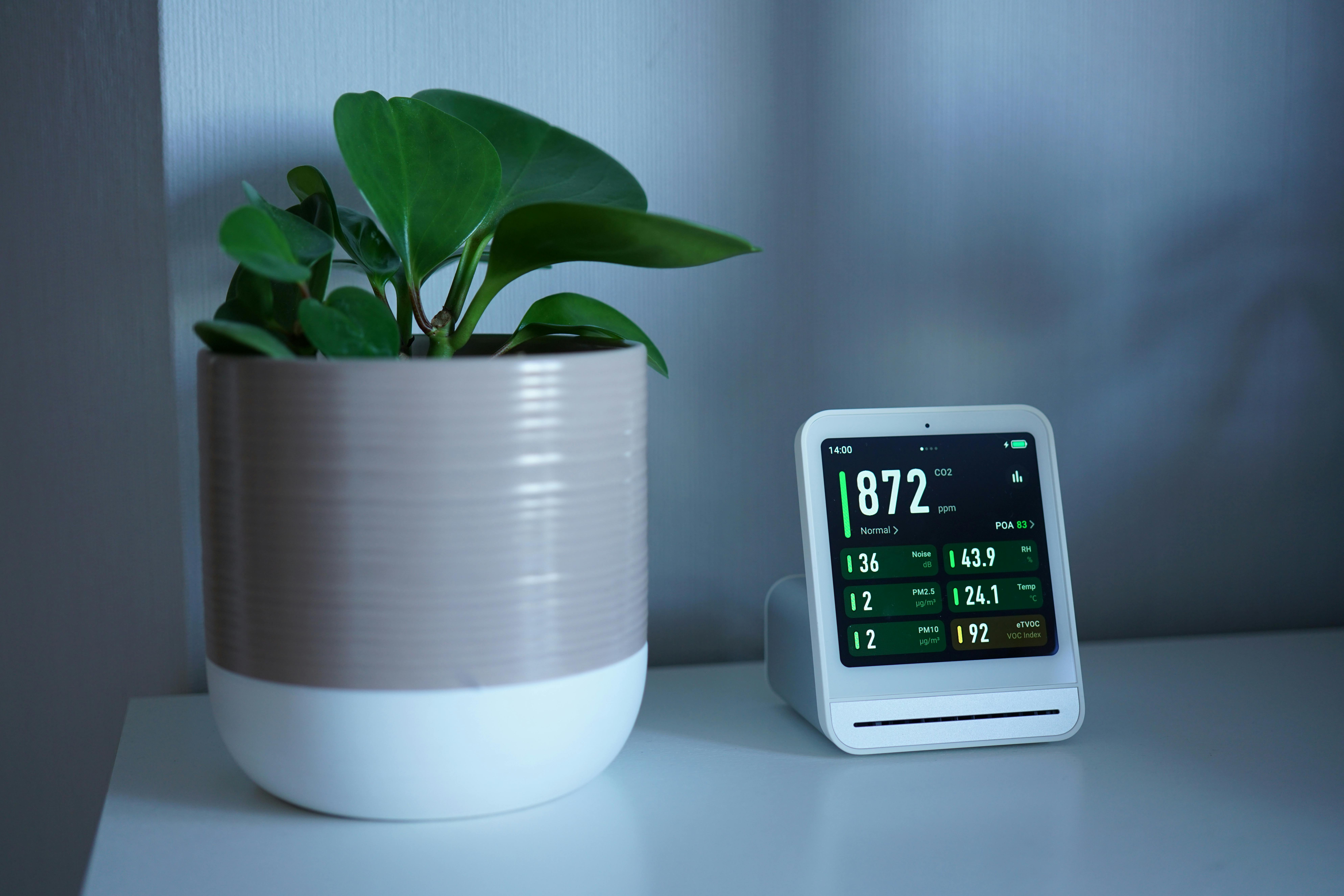
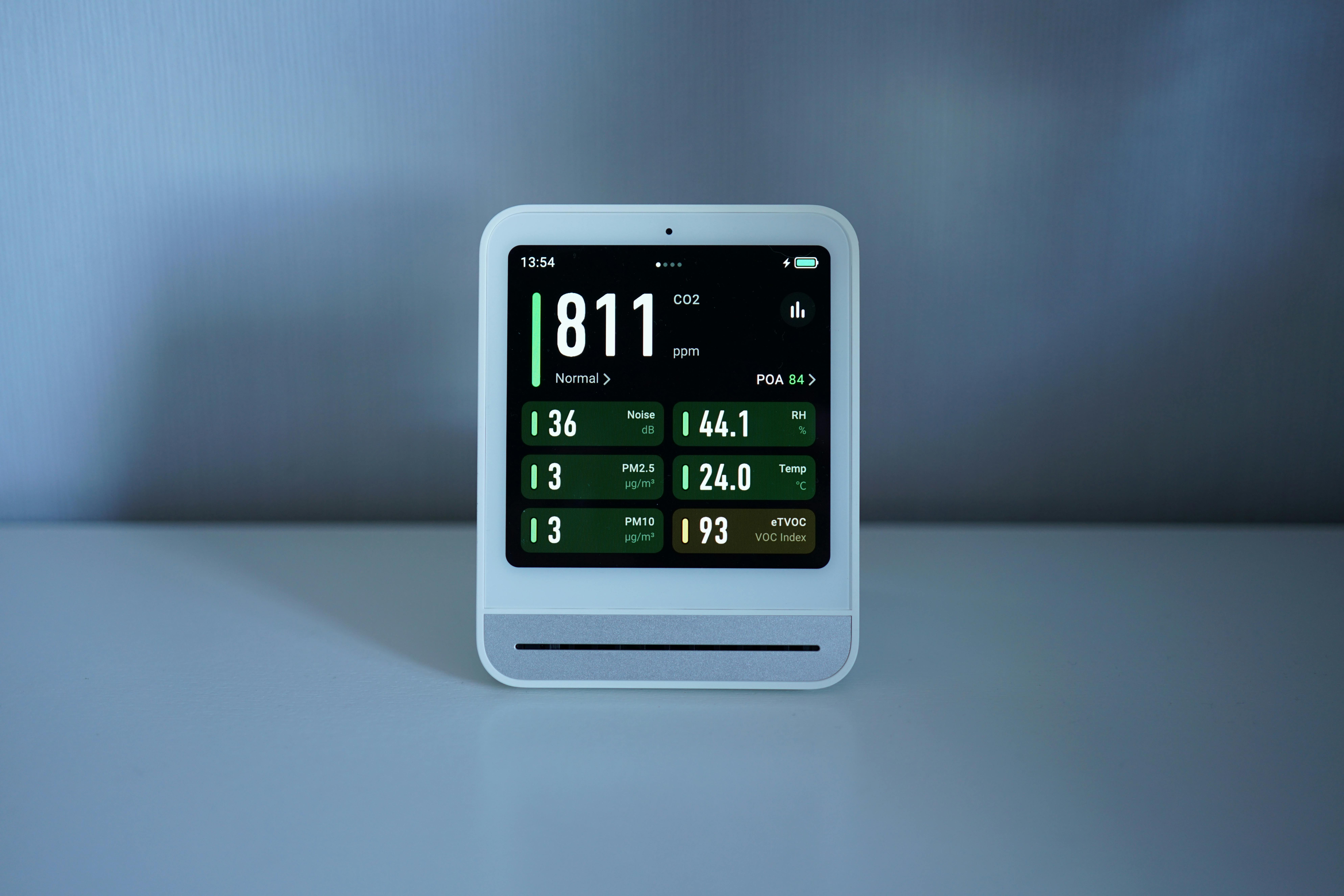
Gas and air quality sensors have become particularly relevant, enabling students to conduct environmental monitoring projects in their schools and communities. Motion sensors can be incorporated into security systems or wildlife observation projects. Sound sensors enable acoustic investigations, while soil moisture sensors connect technology with agriculture and plant biology.
🎓 Pedagogical Benefits That Transform Learning Outcomes
The introduction of DIY sensors into classroom instruction delivers measurable benefits across multiple dimensions of learning. These advantages extend far beyond simple engagement, fundamentally changing how students interact with scientific concepts and develop essential skills for the 21st century.
Developing Authentic Scientific Practices
When students build and use their own sensors, they engage in the same iterative process that professional scientists follow. They formulate hypotheses, design experiments, collect data, analyze results, and refine their approaches based on findings. This authentic practice builds scientific literacy in ways that textbook exercises simply cannot replicate.
The troubleshooting required when sensors don’t work as expected teaches resilience and systematic problem-solving. Students learn to check connections, verify code, calibrate instruments, and consider alternative explanations—skills that transfer seamlessly to professional research environments and real-world problem-solving scenarios.
Fostering Interdisciplinary Connections
Sensor projects naturally integrate multiple subject areas, demonstrating the interconnected nature of knowledge. A project measuring local air quality combines environmental science, mathematics for data analysis, geography for spatial mapping, language arts for communication of findings, and social studies when considering public health implications.
This interdisciplinary approach helps students understand that real-world challenges don’t respect traditional academic boundaries. Engineers must communicate effectively, scientists need mathematical skills, and technology professionals require contextual understanding of the problems they’re solving.
🛠️ Practical Implementation Strategies for Educators
Successfully integrating DIY sensors into curriculum requires thoughtful planning, appropriate resource allocation, and pedagogical frameworks that maximize learning while managing practical constraints. Educators who have successfully implemented these programs share valuable insights that can guide others embarking on similar journeys.
Starting Small with Pilot Projects
The most successful implementations typically begin with modest pilot projects rather than attempting wholesale curriculum transformation. A single classroom experiment measuring temperature variations throughout the school building can demonstrate value, build teacher confidence, and generate student enthusiasm that supports expansion.
These initial projects should prioritize reliability and clear learning objectives over technical sophistication. A simple project that works consistently and generates meaningful discussion is infinitely more valuable than an ambitious project that frustrates students with technical difficulties.
Building Teacher Capacity Through Professional Development
Many educators feel hesitant about sensor-based projects due to limited technical background. Effective professional development addresses these concerns through hands-on workshops where teachers build their own sensor projects, experience troubleshooting firsthand, and develop confidence in their ability to support students.
Peer learning communities play a crucial role in sustaining implementation. When teachers can share resources, discuss challenges, and celebrate successes with colleagues pursuing similar goals, they develop the collective expertise needed to overcome obstacles and continuously improve their practice.
💡 Inspiring Project Ideas Across Subject Areas
The versatility of DIY sensors enables projects spanning the entire curriculum, connecting technical skills with diverse content areas and student interests. These examples illustrate the breadth of possibilities while providing concrete starting points for educators.
Environmental Monitoring and Citizen Science
Students can deploy sensor networks throughout their school or community to track environmental variables over time. These projects contribute to genuine scientific understanding while empowering students as active community members. Air quality monitoring near busy roads, temperature mapping in urban heat islands, or noise pollution studies near schools all provide authentic research experiences with real stakeholders interested in the findings.
Such projects often connect students with local environmental organizations, government agencies, or university researchers, providing mentorship opportunities and demonstrating how scientific data informs policy decisions and community action.
Agricultural Technology and Sustainable Food Systems
Sensor-based greenhouse monitoring systems allow students to explore plant biology, data science, and sustainable agriculture simultaneously. By measuring soil moisture, temperature, humidity, and light levels, students can optimize growing conditions while learning about photosynthesis, plant physiology, and resource management.
These projects particularly resonate in communities interested in food security, urban agriculture, or sustainable farming practices. Students see direct applications of their learning while developing awareness of global challenges related to food production and climate change.
Health and Wellness Investigations
Sensors measuring heart rate, step counts, sleep quality, or environmental conditions in living spaces enable students to investigate personal health and wellness questions. These projects connect technology with biology, physical education, and health sciences while encouraging students to think critically about the quantified self-movement and data privacy considerations.
Projects might investigate how different activities affect heart rate recovery, how environmental factors influence sleep quality, or how classroom conditions impact student alertness and performance throughout the day.
🌐 Leveraging Mobile Technology for Data Collection
Modern smartphones contain remarkably sophisticated sensor arrays that can be leveraged for educational projects without requiring additional hardware purchases. Accelerometers, gyroscopes, magnetometers, GPS receivers, light sensors, and microphones enable diverse investigations using devices students already carry.
Several applications specifically designed for educational data collection transform smartphones into portable science laboratories. These tools lower barriers to entry while teaching students to recognize the scientific instruments embedded in everyday technology.
Phyphox, another powerful tool for smartphone-based sensor experiments, provides pre-designed investigations alongside the capability to design custom data collection protocols. Students can analyze acoustic properties, investigate motion and rotation, explore electromagnetic phenomena, and conduct timing experiments with precision previously requiring specialized equipment.
📊 Data Analysis and Visualization Skills
Collecting sensor data represents only the beginning of the learning journey. Teaching students to analyze, visualize, and interpret their data develops critical thinking skills and mathematical reasoning that extends far beyond science classrooms.
Introducing Statistical Concepts Through Real Data
Working with actual sensor measurements provides context for statistical concepts that often seem abstract when presented theoretically. Students naturally encounter measurement uncertainty, outliers, variability, and the need for sufficient sample sizes when working with their own data.
Calculating means, medians, standard deviations, and confidence intervals becomes meaningful when students are trying to determine whether the temperature in one classroom differs significantly from another, or whether their intervention actually improved air quality measurements.
Creating Compelling Visual Representations
Teaching students to transform raw sensor data into clear, informative visualizations develops communication skills alongside technical competencies. Line graphs showing change over time, bar charts comparing conditions across locations, scatter plots revealing relationships between variables—each visualization type serves specific purposes that students learn to recognize and apply appropriately.
Modern tools like spreadsheet software, Python libraries, and dedicated visualization platforms enable students to create professional-quality graphics that effectively communicate their findings to diverse audiences.
🚀 Overcoming Common Implementation Challenges
Despite the tremendous potential of sensor-based learning, educators frequently encounter obstacles that can derail implementation if not addressed proactively. Understanding these challenges and evidence-based solutions enables more successful integration.
Managing Budget Constraints Creatively
While DIY sensors are remarkably affordable compared to traditional laboratory equipment, budget limitations remain a genuine concern for many schools. Successful programs employ various strategies to maximize impact within financial constraints.
Grant opportunities from technology companies, educational foundations, and government programs frequently fund innovative STEM initiatives. Crowdfunding campaigns that connect communities with specific projects often generate both financial support and public engagement. Partnerships with local businesses, universities, or makerspaces can provide equipment access, technical mentorship, or donated materials.
Starting with shared classroom sets rather than individual student kits makes projects accessible while still providing hands-on experience. As programs demonstrate value, expanding to more comprehensive equipment becomes easier to justify and fund.
Addressing Technical Troubleshooting
Technical difficulties inevitably arise when working with electronic components and programming. Rather than viewing these challenges as obstacles, successful educators frame troubleshooting as a valuable learning opportunity that develops persistence and systematic problem-solving skills.
Creating clear troubleshooting guides, establishing peer support systems, and connecting with online communities helps students work through difficulties independently rather than becoming dependent on teacher intervention for every technical issue.
🌟 The Future of Sensor-Based Education
As technology continues advancing and costs decrease, sensor-based learning will become increasingly central to effective science education. Emerging trends point toward even more accessible, powerful, and pedagogically sophisticated implementations that promise to further democratize hands-on scientific investigation.
Artificial intelligence and machine learning tools are beginning to enable students to analyze sensor data in sophisticated ways previously requiring advanced statistical knowledge. Internet of Things platforms facilitate global collaborations where students in different locations contribute data to shared research questions, building scientific understanding while developing cross-cultural competencies.
The integration of augmented reality with physical sensors creates hybrid learning experiences that overlay data visualizations on real-world environments, helping students understand abstract concepts through immersive experiences that blend digital and physical realms.
🎯 Empowering the Next Generation of Innovators
Bringing DIY sensors into classrooms represents far more than a pedagogical technique or curriculum enhancement. It embodies a fundamental shift in how we conceive of education itself—moving from passive knowledge transmission toward active knowledge construction, from isolated academic exercises toward authentic investigation of meaningful questions, from teacher-centered instruction toward student-driven inquiry.
When students build sensors, collect data, analyze results, and communicate findings, they develop agency and confidence that extends far beyond technical skills. They recognize themselves as capable of understanding and influencing the world around them, equipped with tools and mindsets that enable lifelong learning and creative problem-solving.
The educators pioneering sensor-based learning in their classrooms aren’t simply teaching science or technology—they’re empowering students to become active participants in the scientific enterprise, critical consumers of data-driven claims, and thoughtful creators of solutions to challenges facing their communities and our shared world. This empowerment represents education at its finest, preparing young people not merely for standardized assessments but for meaningful participation in an increasingly complex, data-rich, technology-enabled society.
As more classrooms embrace this approach, we move closer to realizing education’s transformative potential, where every student has opportunities to engage in authentic scientific practices, develop sophisticated technical competencies, and discover the joy of understanding through direct investigation. The future of education is hands-on, data-driven, and empowering—and DIY sensors provide a practical, accessible pathway to making that future a present reality.