DIY sensor logging has revolutionized how hobbyists, researchers, and professionals collect environmental data. Open-source platforms now make sophisticated data acquisition accessible to everyone worldwide.

🚀 Why Open-Source Platforms Are Game-Changers for Sensor Logging
The landscape of data collection has transformed dramatically over the past decade. What once required expensive proprietary equipment and specialized training can now be accomplished with affordable hardware and freely available software. Open-source sensor logging platforms democratize access to sophisticated data collection tools, enabling students, makers, environmental activists, and small businesses to monitor everything from air quality to agricultural conditions.
Open-source solutions offer unparalleled flexibility compared to commercial alternatives. You’re not locked into a single vendor’s ecosystem, and you can customize every aspect of your data collection workflow. Whether you need to log temperature variations in your greenhouse, monitor vibration patterns in machinery, or track water quality in local streams, open-source platforms provide the foundation for practically any sensing application.
Cost efficiency represents another compelling advantage. While commercial data loggers can cost hundreds or thousands of dollars, DIY solutions built on open-source platforms typically require investments of $20-$100 in hardware, with zero licensing fees for software. This affordability makes it feasible to deploy multiple sensor nodes across larger areas or to experiment with different configurations without breaking the budget.
🔧 Essential Hardware Components for Your Sensor Logging System
Building an effective sensor logging system starts with selecting the right hardware platform. Arduino boards remain the most popular choice for beginners due to their simplicity, extensive documentation, and massive community support. The Arduino Uno serves as an excellent starting point, while the Arduino Mega offers more input/output pins for complex projects with multiple sensors.
Raspberry Pi devices provide another powerful option, particularly when you need more computational power or want to run complex analysis locally. The Raspberry Pi Zero W offers an incredibly compact and affordable solution for simple logging tasks, while the Raspberry Pi 4 can handle sophisticated real-time processing and even serve data through web interfaces.
ESP32 and ESP8266 microcontrollers have gained tremendous popularity for IoT applications. These affordable boards include built-in WiFi connectivity, making them ideal for wireless sensor networks that can transmit data to cloud platforms or local servers without additional hardware. Their low power consumption also makes them suitable for battery-operated deployments in remote locations.
Selecting Sensors Based on Your Monitoring Needs
The sensor market offers overwhelming variety, but choosing appropriate sensors depends entirely on what you’re measuring. Temperature and humidity sensors like the DHT22 or BME280 provide reliable environmental monitoring at low cost. For more precise temperature measurements, DS18B20 digital sensors offer excellent accuracy and can be daisy-chained together on a single data line.
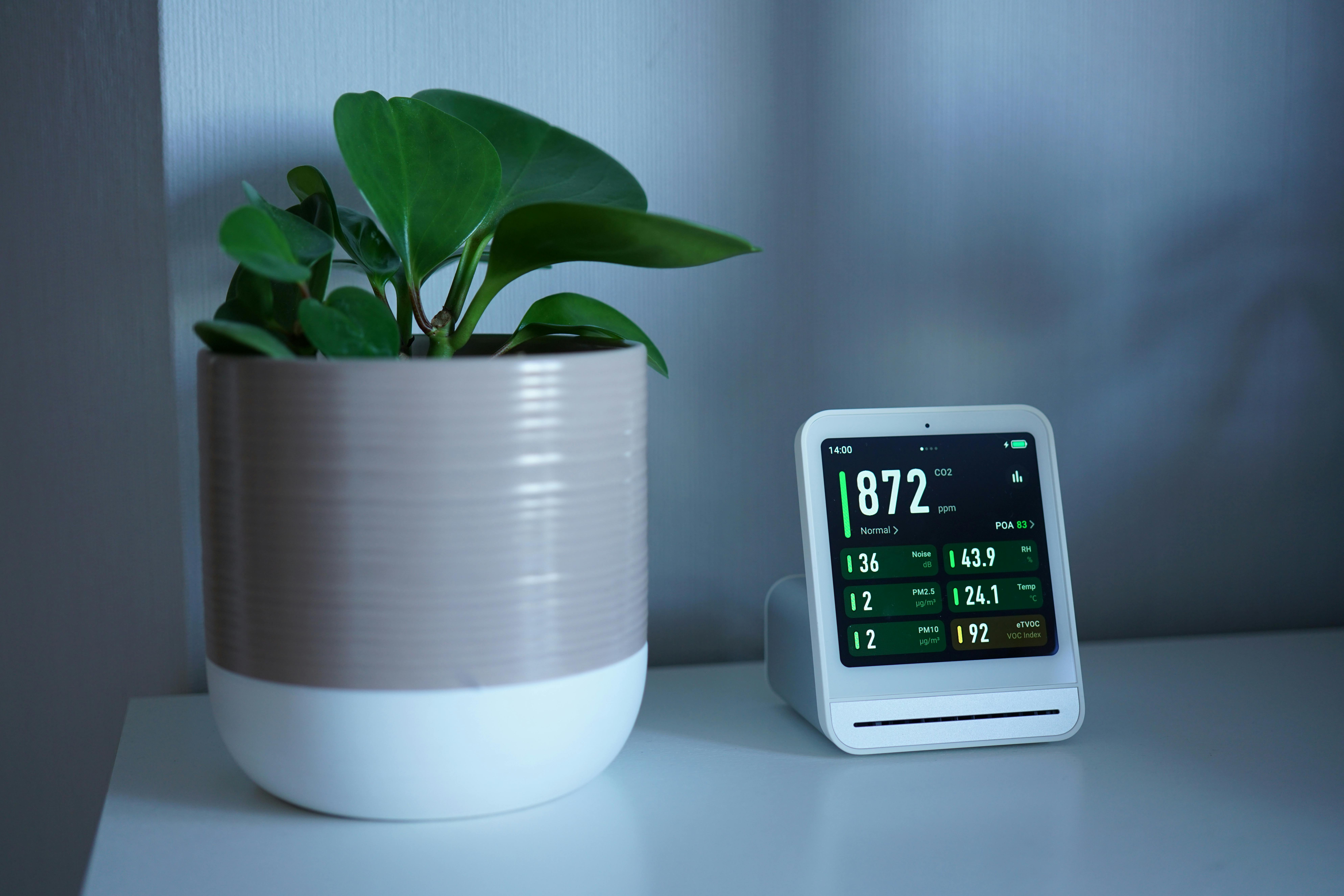
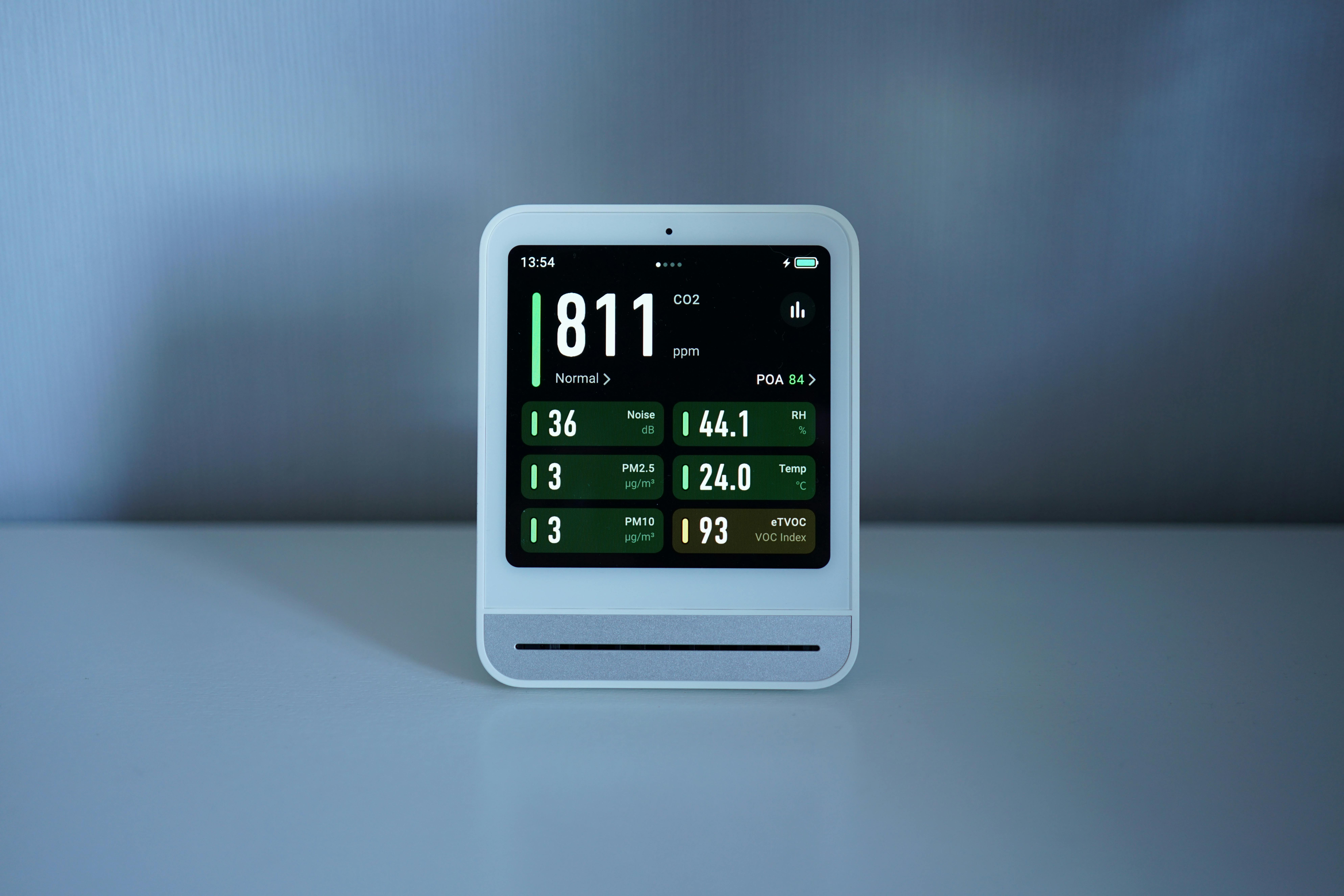
Air quality monitoring has become increasingly important, with sensors like the MQ series detecting various gases, while PM2.5 sensors measure particulate matter. Light sensors (LDR, BH1750), soil moisture sensors, ultrasonic distance sensors, and accelerometers each serve specific monitoring applications. When selecting sensors, consider factors like accuracy requirements, operating voltage, communication protocol (I2C, SPI, analog), and environmental durability.
📊 Top Open-Source Software Platforms for Data Logging
The Arduino IDE remains the foundation for programming Arduino-compatible boards. Its straightforward interface and extensive library ecosystem make it accessible for beginners while remaining powerful enough for advanced applications. The platform supports thousands of sensor libraries that simplify integration, often reducing complex sensor communication to just a few lines of code.
PlatformIO has emerged as a professional-grade alternative that supports multiple hardware platforms within a single development environment. Built on Visual Studio Code, it offers superior code completion, debugging capabilities, and library management compared to the traditional Arduino IDE. For serious projects involving multiple team members or complex codebases, PlatformIO significantly improves development efficiency.
Python-based solutions excel on Raspberry Pi platforms. Libraries like Adafruit CircuitPython and GPIO Zero make hardware interaction remarkably simple, while pandas and matplotlib handle data manipulation and visualization. The Python ecosystem’s richness means you can implement everything from basic logging to machine learning analysis within a single language.
Database Solutions for Long-Term Storage
Effective sensor logging requires thoughtful data storage strategies. SQLite provides an excellent lightweight solution for local storage on microcontrollers or Raspberry Pi devices. It requires no separate server process and stores entire databases in single files, making data portable and manageable.
InfluxDB has become the go-to choice for time-series sensor data. Purpose-built for timestamped data, it offers efficient storage, powerful query capabilities, and seamless integration with visualization tools like Grafana. The open-source version handles millions of data points with ease, making it suitable for everything from single-sensor projects to industrial-scale deployments.
For projects requiring flexible data structures or expecting to scale significantly, PostgreSQL and MongoDB provide robust enterprise-grade solutions. PostgreSQL excels with structured data and offers powerful analytical capabilities, while MongoDB’s document-oriented approach suits projects with evolving data schemas.
☁️ Cloud Platforms and IoT Integration
ThingSpeak stands out as one of the most accessible platforms for DIY sensor projects. This MATLAB-based IoT platform allows you to aggregate, visualize, and analyze live data streams in the cloud. The free tier supports multiple channels with reasonable data rate limits, making it perfect for hobbyist projects. Integration requires minimal code, and the platform provides built-in visualization widgets and MATLAB analytics capabilities.
Adafruit IO offers another beginner-friendly option with a clean interface and excellent documentation. It supports MQTT and REST APIs, provides dashboards for data visualization, and includes trigger capabilities for automation. The generous free tier accommodates most small-scale projects, while paid plans scale reasonably for more demanding applications.
For projects requiring greater control and customization, self-hosted solutions like Node-RED provide immense flexibility. This flow-based programming tool excels at creating data pipelines that route sensor data through processing steps, storage systems, and notification channels. Running on a Raspberry Pi or local server, Node-RED gives you complete control without recurring cloud costs.
📱 Mobile Monitoring and Remote Access
Modern sensor logging systems benefit enormously from mobile accessibility. Several approaches enable smartphone monitoring of your data. Web-based dashboards accessed through mobile browsers offer the simplest solution—platforms like Grafana and Node-RED provide responsive interfaces that work well on phones and tablets.
Dedicated mobile applications provide more integrated experiences. Blynk, despite recent changes to its pricing model, remains popular for creating custom mobile interfaces for IoT projects. The platform allows you to design dashboards with buttons, graphs, and notifications without mobile app development skills.
For Android users comfortable with more technical solutions, apps like MQTT Dash allow you to create custom dashboards that subscribe to MQTT topics published by your sensors. This approach works excellently with ESP32/ESP8266 projects and provides real-time updates with minimal latency.
🔐 Security Considerations for Connected Sensors
As sensor systems become internet-connected, security cannot be an afterthought. Even seemingly innocuous environmental sensors can create security vulnerabilities if improperly configured. Start by changing all default passwords on devices and platforms—this simple step prevents the vast majority of automated attacks.
Implement encryption for data transmission whenever possible. MQTT supports TLS encryption, and HTTPS should be mandatory for any web-based data access. For local networks, consider segmenting IoT devices onto separate VLANs that cannot access sensitive systems even if compromised.
Regular firmware updates patch known vulnerabilities in microcontroller operating systems and libraries. Establish a schedule for checking and applying updates, particularly for devices exposed to the internet. For projects using Raspberry Pi or similar Linux-based systems, automated security updates should be configured from the start.
⚡ Power Management for Continuous Operation
Power consumption directly impacts both operating costs and deployment flexibility. For continuously powered installations, standard USB power supplies work well, but selecting quality supplies with adequate current capacity prevents instability. Calculate total current draw including all sensors and communication modules, then choose supplies with at least 20% overhead.
Battery-powered deployments require careful optimization. ESP32 and ESP8266 boards support deep sleep modes that reduce current consumption from 80+ milliamps to just microamps. Implementing wake-sleep cycles where the microcontroller activates periodically to take readings, transmit data, then return to sleep can extend battery life from days to months.
Solar charging systems enable truly autonomous sensor stations. Small solar panels paired with lithium battery packs and charge controllers create self-sustaining systems suitable for remote environmental monitoring. Properly designed solar-powered sensors can operate indefinitely in locations with reasonable sunlight exposure.
📈 Data Analysis and Visualization Techniques
Collecting data represents only half the equation—effective analysis transforms raw numbers into actionable insights. Grafana has become the standard for sensor data visualization, offering beautiful, customizable dashboards that update in real-time. Its plugin architecture supports dozens of data sources, and template variables allow creation of flexible dashboards that work across multiple sensors.
For statistical analysis and pattern recognition, Jupyter Notebooks provide an interactive environment combining code, visualizations, and explanatory text. Loading sensor data from databases into pandas DataFrames enables sophisticated analysis including trend detection, anomaly identification, and correlation discovery. The notebook format documents your analytical process, making it reproducible and shareable.
Machine learning applications increasingly find use in sensor data analysis. Libraries like scikit-learn enable prediction of future values based on historical patterns, classification of system states, and detection of unusual conditions that might indicate problems. While implementing ML requires more technical expertise, even basic models can extract value from large sensor datasets.
🛠️ Troubleshooting Common Sensor Logging Challenges
Every sensor project encounters obstacles. Inconsistent readings often stem from power supply issues—voltage fluctuations cause sensor instability and erratic data. Using dedicated regulated power supplies for sensitive sensors and adding capacitors near power pins reduces electrical noise. For analog sensors, taking multiple readings and calculating averages improves reliability.
Communication failures between sensors and microcontrollers frustrate many projects. I2C devices require proper pull-up resistors on SDA and SCL lines, typically 4.7k ohms. SPI connections demand careful attention to pin assignments and clock polarity settings. When troubleshooting communication issues, start with simple example code for each sensor before integrating into complex systems.
Data gaps in long-term logging usually result from crashes or network interruptions. Implementing watchdog timers causes microcontrollers to automatically reset if they hang. Local data buffering stores readings during network outages, uploading accumulated data when connectivity resumes. Error logging and exception handling in your code helps diagnose intermittent problems.
🌍 Real-World Applications and Project Ideas
Home automation represents one of the most popular sensor logging applications. Monitoring temperature and humidity throughout your house reveals comfort patterns and heating/cooling efficiency. Occupancy sensors combined with energy monitoring identify opportunities for automated control that reduces utility costs without sacrificing comfort.
Agricultural monitoring systems help gardeners and farmers optimize growing conditions. Soil moisture sensors prevent under or over-watering, while light sensors ensure plants receive adequate illumination. Multi-sensor stations deployed across larger properties create detailed microclimatic maps that inform planting decisions and irrigation scheduling.
Environmental research projects leverage affordable sensor networks to study local ecosystems. Citizen science initiatives use DIY sensors to monitor air quality in urban areas, track wildlife through acoustic sensors, or measure water quality in streams and rivers. These distributed monitoring networks generate datasets impossible to collect through traditional methods.
🎯 Best Practices for Reliable Long-Term Monitoring
Successful sensor deployments share common characteristics. Robust physical installation protects electronics from environmental hazards. Weatherproof enclosures with appropriate IP ratings shield outdoor sensors from moisture. Careful attention to cable entry points prevents water infiltration, while ventilation holes with breathable membranes equalize pressure without admitting liquid water.
Calibration maintains measurement accuracy over time. Many sensors exhibit drift, particularly gas sensors and pH probes. Establishing regular calibration schedules using reference standards ensures data quality. Documenting calibration procedures and recording calibration dates within your database enables correction of historical data if sensor drift is discovered.
Redundancy planning addresses the inevitable hardware failures in long-term deployments. Critical measurements should employ multiple sensors, allowing continued operation if one fails. Automated monitoring alerts you to sensor failures or suspicious readings before data quality degrades significantly. Regular physical inspections catch developing problems like corroded connections or biological growth on sensors.
💡 Future-Proofing Your Sensor Infrastructure
Technology evolves rapidly, but thoughtful design decisions create sensor systems that remain relevant for years. Choosing open standards like MQTT for data communication ensures compatibility with future platforms. Storing data in well-documented formats using standard databases prevents vendor lock-in and facilitates future migration.
Modular architecture separates concerns between data collection, storage, and presentation layers. This separation allows upgrading individual components without redesigning entire systems. Containerization using Docker simplifies deployment and ensures consistent behavior across different hardware platforms as you expand or migrate your infrastructure.
Documentation represents your most valuable future-proofing tool. Detailed records of hardware configurations, wiring diagrams, software versions, and configuration files enable you or others to maintain and expand systems years later. Version control for code and configuration files creates an audit trail of changes and enables rollback if updates cause problems.

🔄 Taking Your Sensor Network to the Next Level
Once basic logging works reliably, numerous enhancements add value. Automated alerting notifies you of concerning conditions—temperature extremes, unexpected sensor readings, or system malfunctions. Email, SMS, or push notifications through services like Pushover or Telegram bots provide timely awareness without constant dashboard monitoring.
Integration with home automation platforms creates responsive environments. Home Assistant, OpenHAB, and similar systems consume sensor data and trigger actions based on conditions you define. Temperature readings might control heating systems, light sensors adjust window shades, or humidity measurements activate ventilation fans—all automatically optimizing your environment.
Collaborative features enable sharing insights with communities. Public dashboards display anonymized environmental data, contributing to larger citizen science efforts. API endpoints allow other researchers or applications to access your data streams, amplifying the impact of your monitoring infrastructure beyond personal use.
The world of DIY sensor logging continues expanding with new hardware, platforms, and techniques emerging constantly. Open-source communities drive innovation at remarkable pace, making sophisticated data collection accessible to anyone with curiosity and modest technical skills. Starting with simple projects and progressively adding complexity builds expertise that enables increasingly ambitious monitoring applications. Your journey into sensor logging opens doors to understanding environments, optimizing systems, and contributing data to collective knowledge—all while maintaining complete control over your technology stack and data.