Monitoring environmental quality no longer requires expensive laboratory equipment or professional expertise. Today’s affordable sensor kits empower citizens, educators, and small organizations to track air, water, and soil conditions with remarkable accuracy.

🌍 The Revolution in Environmental Monitoring Technology
The democratization of environmental monitoring represents one of the most significant technological shifts in recent years. What once cost thousands of dollars and required specialized training can now be accomplished with sensor kits priced under $100. This transformation has opened doors for community science projects, educational initiatives, and grassroots environmental advocacy.
The driving force behind this revolution includes advances in microelectronics, open-source hardware platforms, and increased public awareness about environmental health. Arduino and Raspberry Pi ecosystems have particularly catalyzed this movement, providing accessible frameworks for sensor integration and data collection.
These affordable monitoring solutions serve multiple purposes: they educate users about their immediate environment, provide early warnings about potential hazards, contribute data to larger citizen science networks, and hold polluters accountable through documented evidence.
Understanding Air Quality Sensor Kits 💨
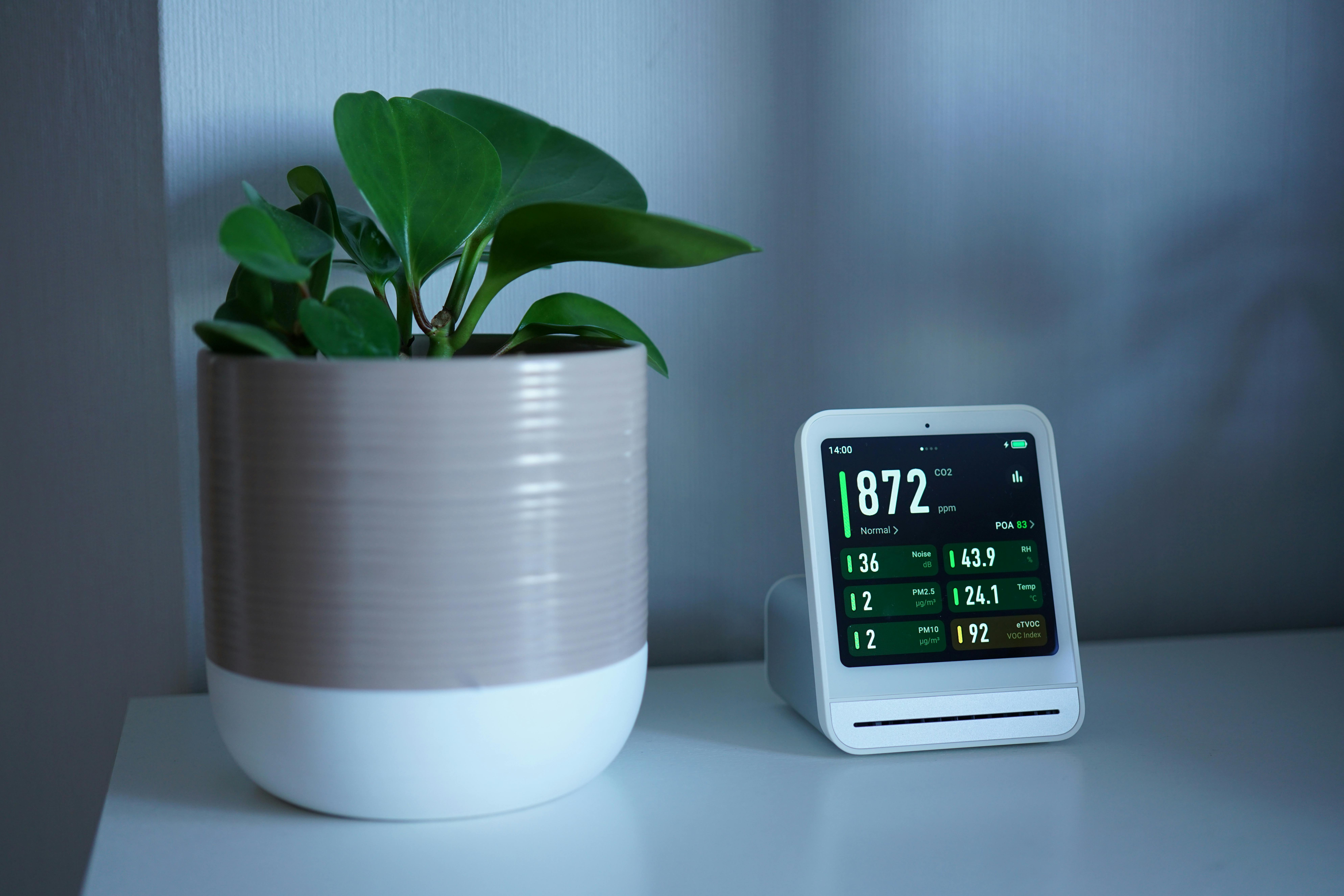
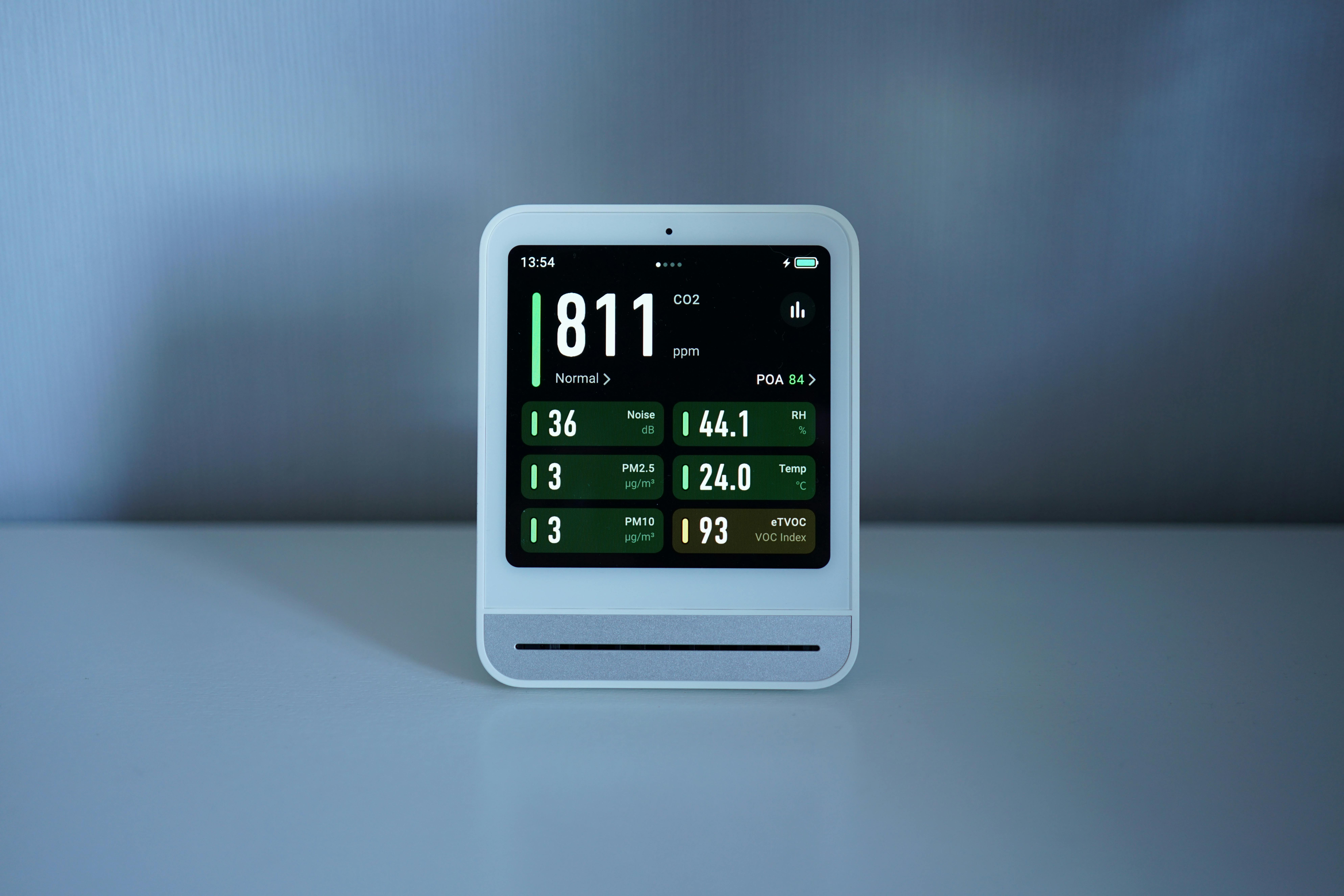
Air quality monitoring has become increasingly critical as urbanization intensifies and climate concerns grow. Low-cost air quality sensors typically measure particulate matter (PM2.5 and PM10), volatile organic compounds (VOCs), carbon dioxide, carbon monoxide, temperature, and humidity.
Popular affordable air quality kits include the PurpleAir sensor, Airgradient DIY kit, and sensors built around the Plantower PMS5003 or Sensirion SPS30 particulate sensors. These devices range from $30 for basic DIY kits to $250 for complete ready-to-use systems.
Key Components of Air Quality Monitoring Systems
A typical low-cost air quality monitoring system consists of several essential components working together:
- Particulate matter sensor for detecting fine particles that affect respiratory health
- Gas sensors for measuring carbon dioxide, carbon monoxide, or nitrogen dioxide levels
- Temperature and humidity sensors for contextual environmental data
- Microcontroller (Arduino, ESP32, or Raspberry Pi) for processing sensor data
- Display unit or wireless connectivity for data visualization and sharing
- Power supply, either battery-operated for portability or USB-powered for continuous monitoring
Accuracy and Calibration Considerations
While affordable sensors cannot match laboratory-grade equipment in precision, studies have shown they provide reliable trend data and adequate accuracy for most citizen science applications. The key lies in understanding their limitations and proper calibration.
Most low-cost particulate matter sensors show strong correlation with reference instruments under typical conditions, though they may struggle in extreme humidity or with certain particle types. Regular calibration against known standards or reference monitors significantly improves data quality.
Water Quality Monitoring Made Accessible 💧
Clean water access remains a fundamental concern globally, making affordable water quality monitoring particularly valuable. Low-cost sensor kits can measure pH, turbidity, dissolved oxygen, electrical conductivity, temperature, and oxidation-reduction potential.
Organizations like DFRobot, Atlas Scientific, and various open-source projects offer comprehensive water monitoring solutions ranging from $50 to $300. These kits enable communities to monitor drinking water sources, track pollution in local waterways, and maintain aquaculture systems.
Essential Water Quality Parameters
Understanding which parameters to monitor depends on your specific needs and concerns. Here are the most commonly measured indicators:
- pH levels indicating water acidity or alkalinity, crucial for aquatic life and drinking water safety
- Turbidity measuring water clarity and suspended particles that may harbor pathogens
- Dissolved oxygen essential for aquatic ecosystems and indicating organic pollution
- Electrical conductivity revealing total dissolved solids and potential contamination
- Temperature affecting chemical reactions and biological processes in water
- Specific contaminants like nitrates, phosphates, or heavy metals with specialized probes
Building Your Water Quality Monitoring Station
Creating an effective water monitoring system requires careful sensor selection and proper maintenance. Sensors must be protected from physical damage while maintaining contact with the water being tested. Waterproof enclosures rated IP67 or higher protect electronics while allowing sensor probes to function.
Probe maintenance proves critical for accurate readings. Most electrochemical sensors require regular calibration using standard buffer solutions, cleaning to prevent biological growth, and eventual replacement as they age. Optical sensors need periodic cleaning to maintain accuracy.
Data logging capabilities transform occasional measurements into valuable longitudinal studies. Combining Arduino or Raspberry Pi microcontrollers with SD card storage or cloud connectivity enables automated data collection over extended periods.
🌱 Soil Quality Sensors for Agriculture and Gardening
Soil health directly impacts food production, ecosystem functioning, and carbon sequestration. Affordable soil sensors measure moisture content, temperature, pH, electrical conductivity, and increasingly, specific nutrients like nitrogen, phosphorus, and potassium.
Companies like Vegetronix, DFRobot, and Seeed Studio offer soil sensor solutions starting around $20 for basic moisture sensors up to $200 for multi-parameter systems. These tools benefit home gardeners, urban farmers, and agricultural students equally.
Types of Soil Sensors and Their Applications
Different soil monitoring needs require different sensor technologies. Capacitive moisture sensors resist corrosion better than resistive types, making them suitable for long-term installation. Time-domain reflectometry (TDR) sensors provide highly accurate moisture readings but cost more.
Soil pH sensors help determine nutrient availability and guide fertilizer application. Most affordable pH sensors use solid-state technology rather than traditional glass electrodes, offering durability at the cost of some precision.
Electrical conductivity measurements indicate salt levels and overall soil fertility. Combined with moisture data, EC readings help prevent over-fertilization and salt accumulation that damages plants.
Integrating Multiple Environmental Sensors 📊
The real power of affordable monitoring emerges when combining air, water, and soil sensors into comprehensive environmental monitoring systems. This integrated approach reveals connections between different environmental factors and provides holistic understanding of local conditions.
Modern microcontroller platforms easily accommodate multiple sensors simultaneously. An ESP32 or Raspberry Pi can read dozens of sensors, log data locally, and transmit information to cloud platforms for analysis and visualization.
Creating a Complete Environmental Monitoring Station
Building a multi-parameter monitoring station involves selecting compatible sensors, designing appropriate housing, establishing reliable power supply, and implementing data management solutions. Solar panels with battery backup enable remote installations where grid power is unavailable.
Weather-resistant enclosures protect sensitive electronics while allowing proper sensor exposure. Strategic placement ensures measurements represent the area of interest rather than microclimates created by the monitoring station itself.
📱 Mobile Applications and Data Visualization
Collecting environmental data becomes exponentially more valuable when that information is easily accessible and understandable. Numerous mobile applications and web platforms support low-cost sensor networks, providing real-time visualization and historical trend analysis.
Platforms like Blynk, ThingSpeak, and Adafruit IO offer free tiers for hobby projects and educational use. These services provide customizable dashboards, alerting systems, and data export capabilities without requiring extensive programming knowledge.
For those seeking ready-made solutions, several smartphone apps work directly with specific sensor kits. These applications handle data collection, visualization, and often include features for sharing observations with broader citizen science networks.
🎓 Educational Applications and Citizen Science
Affordable monitoring solutions have transformed environmental education by enabling hands-on learning experiences. Students can investigate real environmental questions using the same technologies employed by researchers, developing scientific literacy and environmental awareness simultaneously.
Schools implementing environmental monitoring programs report increased student engagement with STEM subjects. The tangible connection between measurements and real-world conditions makes abstract concepts concrete and personally relevant.
Contributing to Larger Scientific Efforts
Individual monitoring stations gain additional significance when data is shared with established citizen science networks. Projects like PurpleAir for air quality, Water Quality Portal for aquatic monitoring, and Globe Observer for multiple environmental parameters aggregate data from thousands of contributors.
These crowdsourced datasets fill geographical gaps in official monitoring networks, identify pollution hotspots, track environmental changes over time, and validate satellite observations. Your backyard sensor can contribute to global environmental understanding.
⚙️ Practical Considerations for Long-term Monitoring
Successful long-term environmental monitoring requires addressing several practical challenges beyond initial sensor selection and setup. Power management, data storage, sensor maintenance, and calibration all demand ongoing attention.
For continuous monitoring, reliable power supply proves essential. While USB power works for indoor installations, outdoor stations need weatherproof power solutions. Solar charging systems with lithium battery backup provide autonomous operation in remote locations.
Data Management and Storage Solutions
Environmental sensors generate substantial data volumes over time. A station recording measurements every minute produces over half a million data points annually per sensor. Effective data management strategies include local SD card storage with periodic downloads, direct cloud uploading via WiFi or cellular connections, or hybrid approaches combining both methods.
Regular data backups prevent loss from hardware failures or environmental damage. Cloud storage offers accessibility from anywhere but requires reliable connectivity and may involve subscription costs. Local storage provides independence but needs manual management.
Cost-Benefit Analysis of DIY Versus Commercial Solutions 💰
Prospective users face choices between building custom sensor systems from components or purchasing ready-made solutions. Each approach offers distinct advantages depending on budget, technical skill, and specific monitoring needs.
DIY sensor kits typically cost 30-50% less than comparable commercial products. A basic air quality monitor might cost $40-60 in components versus $150-250 for a consumer product. However, DIY approaches require assembly time, troubleshooting skills, and often involve learning curves.
Commercial solutions offer convenience, technical support, established calibration, and often superior weatherproofing. They work out-of-box with minimal setup, making them ideal for users prioritizing simplicity over customization.
🔧 Troubleshooting Common Sensor Issues
Even well-designed monitoring systems occasionally encounter problems. Understanding common issues and their solutions ensures consistent data collection and extends sensor lifespan.
Erratic readings often indicate loose connections, inadequate power supply, or electromagnetic interference. Systematically checking connections, using quality power supplies, and routing sensor cables away from power lines usually resolves these issues.
Sensor drift, where readings gradually deviate from true values, requires periodic calibration. Most affordable sensors need recalibration every few months to maintain accuracy. Keeping calibration solutions fresh and following manufacturer protocols ensures reliable results.
🌐 The Future of Affordable Environmental Monitoring
The trajectory of low-cost sensor technology points toward even more accessible, accurate, and comprehensive monitoring capabilities. Emerging technologies like printed sensors, artificial intelligence-enhanced calibration, and nanotechnology-based detection promise to expand what affordable systems can measure.
Miniaturization continues, enabling wearable environmental monitors that track personal exposure to air pollution, UV radiation, and other environmental factors. These devices transform environmental monitoring from stationary measurement to personal health tracking.
Increased connectivity through IoT networks and satellite communication will enable monitoring in previously inaccessible locations. Low-power wide-area networks (LPWAN) like LoRaWAN allow sensors to transmit data over kilometers while consuming minimal power, perfect for distributed environmental monitoring networks.

Making Environmental Data Actionable 📈
Collecting environmental data represents only the first step toward meaningful impact. Translating measurements into understanding and action requires interpretation, context, and communication.
Comparing your measurements against established standards and guidelines provides context. The EPA, WHO, and other organizations publish reference values for various environmental parameters. Understanding when measurements exceed safe thresholds enables appropriate responses.
Sharing findings with neighbors, local officials, or online communities amplifies individual monitoring efforts. Documented evidence of environmental conditions can motivate community action, inform policy decisions, and drive positive change.
Environmental monitoring with affordable sensors empowers individuals and communities to understand and protect their local environments. Whether tracking air quality in your neighborhood, monitoring water sources, or optimizing soil conditions for urban gardens, these accessible technologies democratize environmental science. The combination of decreasing costs, improving accuracy, and growing communities of practice makes now an ideal time to begin your environmental monitoring journey. Start small, learn continuously, and contribute to the growing movement of citizen scientists working toward healthier environments for all.