Calibration accuracy directly impacts the reliability of your measurement instruments, making the choice between factory and in-field calibration crucial for operational success.

🔬 Understanding the Foundation of Calibration Excellence
In today’s precision-driven industries, the accuracy of measurement instruments can mean the difference between operational excellence and costly failures. Whether you’re managing a pharmaceutical production line, overseeing aerospace manufacturing, or maintaining critical infrastructure, calibration isn’t just a regulatory checkbox—it’s the backbone of quality assurance and safety protocols.
Calibration ensures that measuring instruments provide accurate, consistent readings that align with recognized standards. However, the method you choose for calibration—factory or in-field—can significantly affect not only the precision of your measurements but also your operational efficiency, costs, and compliance standing.
Factory Calibration: The Gold Standard of Precision
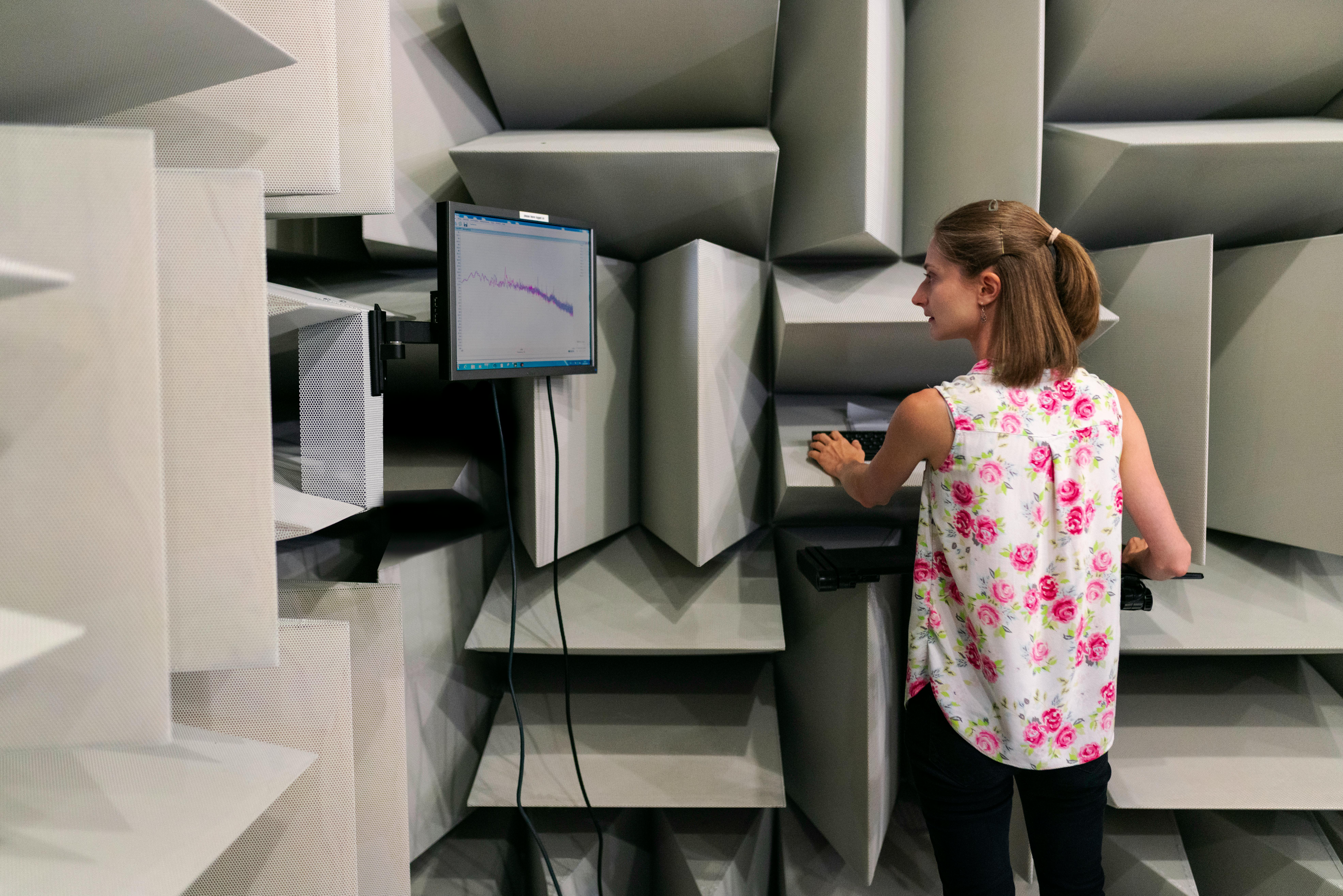
Factory calibration represents the pinnacle of measurement accuracy. Performed in controlled laboratory environments by the original equipment manufacturer or specialized calibration facilities, this method offers unparalleled precision and traceability.
Controlled Environment Advantages
Factory calibration facilities maintain stringent environmental conditions that eliminate variables affecting measurement accuracy. Temperature is regulated within narrow tolerances, typically between 20°C and 23°C with variations of less than ±1°C. Humidity levels remain constant, usually between 40-60% relative humidity, and vibration is minimized through specialized infrastructure.
These controlled conditions are virtually impossible to replicate in field environments where temperature fluctuations, dust, electromagnetic interference, and vibration are constant challenges. The stability of factory conditions allows calibration technicians to achieve measurement uncertainties that are often 4-10 times better than field calibration.
Access to Reference Standards
Factory calibration laboratories maintain primary or secondary reference standards with direct traceability to national or international measurement standards. These reference instruments undergo regular calibration themselves, often annually or semi-annually, ensuring the integrity of the entire calibration chain.
The accuracy ratios (Test Accuracy Ratio or TAR) in factory settings typically exceed 4:1, meaning the reference standard is at least four times more accurate than the unit under test. Many laboratories achieve ratios of 10:1 or higher, providing exceptional confidence in calibration results.
Specialized Equipment and Expertise
Factory facilities invest in specialized calibration equipment that may cost hundreds of thousands or even millions of dollars. This includes multi-product calibrators, deadweight testers, environmental chambers, and automated calibration systems that ensure repeatability and reduce human error.
Technicians at factory facilities typically hold advanced certifications and undergo continuous training on the latest calibration techniques and technologies. Their specialization in specific instrument types or measurement parameters provides depth of expertise rarely available in field service teams.
⚙️ In-Field Calibration: Balancing Convenience with Capability
In-field calibration brings the calibration process to your instruments rather than shipping instruments to a laboratory. This approach offers distinct advantages in specific scenarios, though it comes with inherent limitations.
Minimizing Downtime and Transportation Risks
Perhaps the most compelling advantage of field calibration is operational continuity. Instruments remain on-site, reducing downtime from days or weeks to hours. For critical process instruments in continuous manufacturing environments, this difference can translate to significant production gains.
Field calibration also eliminates transportation risks. Delicate instruments can be damaged during shipping, and even minor impacts can affect calibration status. By calibrating on-site, you avoid these risks entirely while also reducing shipping costs and the carbon footprint associated with transportation.
Context-Specific Calibration
Field calibration allows technicians to calibrate instruments in their actual operating environment. For instruments installed in challenging conditions—extreme temperatures, high vibration, or outdoor exposure—this contextual calibration can actually be advantageous. The calibration accounts for environmental factors that will affect day-to-day operation.
This approach works particularly well for instruments that are difficult or impossible to remove, such as large flowmeters, permanently installed pressure transmitters, or integrated measurement systems within complex machinery.
Limitations of Field Calibration
Despite its conveniences, field calibration faces significant technical limitations. Environmental factors that cannot be controlled introduce uncertainty into measurements. Temperature variations during calibration can affect both the reference standard and the unit under test, potentially creating errors that persist until the next calibration cycle.
Portable calibration equipment, while increasingly sophisticated, cannot match the accuracy and range of laboratory-grade reference standards. The Test Accuracy Ratio in field calibration often drops to 3:1 or even lower, increasing measurement uncertainty.
Field technicians, though skilled, may lack the specialized expertise available at factory facilities, particularly for complex or specialized instruments. They also work under time pressure, moving between multiple sites daily, which can impact the thoroughness of calibration procedures.
📊 Comparing Performance Metrics: Factory vs. Field
| Performance Factor | Factory Calibration | In-Field Calibration |
|---|---|---|
| Measurement Uncertainty | 0.01% – 0.05% typical | 0.05% – 0.25% typical |
| Test Accuracy Ratio | 10:1 or higher | 3:1 to 4:1 |
| Environmental Control | Excellent (±1°C, controlled humidity) | Limited (ambient conditions) |
| Turnaround Time | 5-15 business days | Same day |
| Cost per Calibration | Higher (shipping + service) | Lower (no shipping) |
| Traceability Documentation | Comprehensive | Standard |
| Equipment Downtime | Extended | Minimal |
Industry-Specific Considerations for Calibration Strategy
Pharmaceutical and Biotechnology
The pharmaceutical industry operates under strict regulatory requirements including FDA 21 CFR Part 11 and EU GMP guidelines. Factory calibration is often preferred for critical measurement instruments used in drug manufacturing because the superior accuracy and comprehensive documentation support regulatory compliance and validation efforts.
However, for less critical utilities monitoring or non-GMP areas, field calibration provides adequate accuracy while minimizing disruption to ongoing operations. Many pharmaceutical companies employ a tiered approach, using factory calibration for critical process parameters and field calibration for supporting systems.
Aerospace and Defense
Aerospace applications demand exceptional precision with zero tolerance for measurement error. Factory calibration is typically mandatory for instruments used in manufacturing, testing, or maintaining aircraft components. The traceability requirements are stringent, and the documentation from factory calibration provides the audit trail necessary for AS9100 compliance.
Field calibration may be used for ground support equipment or non-flight-critical systems, but even these applications often specify enhanced field calibration procedures with higher-grade portable standards.
Oil and Gas Operations
The oil and gas industry faces unique challenges with instruments installed in remote locations, offshore platforms, or hazardous areas. Transportation of instruments from these sites to factory facilities involves significant logistics, costs, and risks.
Field calibration becomes attractive for custody transfer meters, pressure transmitters, and temperature sensors in these environments. However, critical safety instrumented systems (SIS) often still require factory calibration to meet IEC 61508 or IEC 61511 standards, with field calibration used only for periodic verification between factory services.
💡 Developing a Hybrid Calibration Strategy
The most sophisticated organizations don’t view factory and field calibration as competing alternatives but as complementary tools in a comprehensive calibration management strategy.
Risk-Based Calibration Planning
Implement a risk assessment framework that categorizes instruments based on their criticality, accuracy requirements, and operational impact. High-risk instruments—those affecting product quality, safety, or regulatory compliance—should receive factory calibration. Medium and low-risk instruments may be suitable for field calibration with appropriate procedures and equipment.
Consider factors including:
- Impact on product quality or patient safety
- Regulatory requirements and audit history
- Required measurement accuracy versus instrument capability
- Historical calibration drift and failure rates
- Cost of instrument downtime versus calibration cost
Optimized Calibration Intervals
Use factory calibration to establish baseline performance and extend calibration intervals, with field verification or calibration performed at shorter intervals. For example, a critical pressure transmitter might receive factory calibration annually with quarterly field verification checks. This approach provides confidence in measurement accuracy while minimizing operational disruption.
Analyze calibration history data to identify instruments that consistently remain within tolerance. These may be candidates for interval extension or transition from factory to field calibration, freeing resources for more critical applications.
Seasonal and Campaign Calibration
Schedule factory calibration during planned maintenance shutdowns, seasonal slowdowns, or campaign transitions when instrument downtime has minimal operational impact. Use field calibration for mid-cycle verification or when unexpected instrument performance issues arise.
This strategic timing maximizes the benefits of factory calibration’s superior accuracy while minimizing its primary disadvantage—extended downtime.
🔧 Technology Advances Reshaping Calibration Options
Emerging technologies are narrowing the performance gap between factory and field calibration while introducing entirely new approaches to measurement assurance.
Next-Generation Portable Standards
Modern portable calibration equipment increasingly incorporates features previously available only in laboratory settings. Multi-function calibrators now offer accuracy specifications approaching benchtop units, with automatic temperature compensation, self-diagnostics, and built-in environmental sensors that flag conditions unsuitable for calibration.
Some portable standards now achieve Test Accuracy Ratios of 6:1 or higher, significantly improving field calibration uncertainty. While still not matching the best laboratory equipment, these advances make field calibration viable for a broader range of applications.
Smart Instruments with Self-Diagnostics
Digital instruments with microprocessor-based intelligence can perform continuous self-diagnostics, detecting drift or failures between scheduled calibrations. Some advanced transmitters can even perform self-calibration checks using built-in reference sensors.
These capabilities extend calibration intervals and provide early warning of measurement problems, reducing the frequency of both factory and field calibration while maintaining accuracy assurance. However, regulatory acceptance of these features varies, and traditional calibration remains necessary for compliance in many industries.
Remote Calibration and Digital Twins
Emerging concepts in remote calibration use digital communication to access instrument settings and diagnostics without physical presence. While not replacing traditional calibration with reference standards, these techniques enable verification checks and minor adjustments remotely, reducing field service visits.
Digital twin technology creates virtual models of instruments that predict drift and optimal calibration timing based on operating conditions and historical performance. This predictive approach transitions calibration from time-based to condition-based scheduling.
Cost-Benefit Analysis: Making the Financial Case
While factory calibration typically costs more per instrument, a comprehensive cost analysis must consider total cost of ownership, not just the calibration invoice.
Direct Cost Comparison
Factory calibration direct costs include service fees, shipping both directions, and packaging materials. Field calibration costs include the service call fee, which may cover multiple instruments during a single visit, reducing per-instrument cost for sites with many instruments.
However, factory calibration often includes services that would be extra charges for field calibration, such as cleaning, minor repairs, or firmware updates. When comparing quotes, ensure you’re evaluating equivalent scope of service.
Indirect Cost Considerations
Instrument downtime during factory calibration creates indirect costs from lost production, rental equipment, or process interruptions. These costs vary dramatically by application—a critical inline process analyzer may cost thousands per hour of downtime, while a portable test instrument has minimal downtime cost.
Conversely, field calibration that doesn’t achieve required accuracy creates hidden costs through product quality issues, batch rejections, or regulatory findings. The cost of a single out-of-specification product batch or failed audit finding typically far exceeds the savings from field versus factory calibration.
Risk and Insurance Factors
Some industries find that demonstrating use of factory calibration for critical instruments reduces insurance premiums or provides favorable consideration during regulatory inspections. The superior documentation and traceability can serve as evidence of a robust quality system.
Transportation insurance for high-value instruments during factory calibration should be factored into cost comparisons, though this is typically a small percentage of overall calibration cost.
🎯 Making the Right Choice for Your Operation
Selecting between factory and field calibration isn’t a one-time decision but an ongoing strategy that evolves with your operations, technology, and regulatory environment. The optimal approach balances measurement accuracy requirements against operational realities and cost constraints.
Start by thoroughly understanding your accuracy requirements—not just instrument specifications, but the actual measurement uncertainty needed for your process or product decisions. Instruments with performance margins well beyond process requirements may be candidates for field calibration, while those operating near specification limits benefit from factory calibration’s superior accuracy.
Evaluate your calibration provider’s capabilities honestly. Not all field calibration services are equal—some providers invest in superior portable equipment, rigorous technician training, and quality management systems that narrow the performance gap with factory calibration. Similarly, not all factory laboratories offer the same level of expertise or accreditation.
Document your calibration strategy in procedures that specify which instruments receive factory versus field calibration and under what conditions. Include the technical justification for these decisions to support regulatory inspections and audits. Review this strategy annually, incorporating lessons learned from calibration results, instrument performance, and operational changes.
Ultimately, maximizing accuracy requires viewing calibration not as a cost to minimize but as an investment in quality, safety, and operational excellence. Whether you choose factory calibration’s superior precision, field calibration’s operational convenience, or a strategic hybrid approach, the goal remains constant: ensuring your measurements are accurate, traceable, and fit for their intended purpose.
The instruments are only as good as their calibration, and in precision-critical industries, that calibration quality directly translates to product quality, operational efficiency, and competitive advantage. Make calibration decisions with the same rigor you apply to other critical business investments, and the returns in reliability and performance will follow.