Wearable technology has evolved dramatically, and bio-sensor integration is transforming how we monitor health, enabling real-time insights into our body’s most critical functions.

🔬 The Bio-Sensor Revolution: Understanding the Technology Behind Modern Wearables
Bio-sensors represent a groundbreaking fusion of biology and electronics, creating intelligent systems that can detect and measure biological signals with remarkable precision. These microscopic marvels work by converting biological responses into electrical signals that can be processed, analyzed, and transformed into actionable health data.
The integration of bio-sensors into wearable devices has fundamentally changed the landscape of personal health monitoring. Unlike traditional fitness trackers that simply counted steps or estimated calories, modern bio-sensor-equipped wearables can measure heart rate variability, blood oxygen saturation, electrodermal activity, body temperature fluctuations, and even glucose levels through non-invasive means.
What makes these sensors particularly revolutionary is their ability to provide continuous, real-time monitoring without requiring laboratory equipment or medical supervision. This democratization of health data empowers individuals to take proactive control of their wellness journey, making informed decisions based on concrete physiological evidence rather than guesswork.
💓 Core Bio-Sensing Technologies Powering Next-Generation Wearables
Photoplethysmography (PPG): The Heart of Optical Sensing
Photoplethysmography has become the cornerstone of modern wearable health technology. This optical technique uses light-emitting diodes to illuminate the skin and photodetectors to measure the light reflected back. As blood pulses through vessels, it absorbs more light, creating variations that reveal heart rate, rhythm irregularities, and blood oxygen levels.
Advanced PPG systems now incorporate multiple wavelengths of light, including green, red, and infrared, each penetrating to different depths and revealing distinct physiological parameters. This multi-wavelength approach enables devices to distinguish between arterial and venous blood flow, providing more accurate cardiovascular assessments even during intense physical activity.
Electrodermal Activity (EDA) Sensors: Mapping Stress and Emotion
EDA sensors measure the electrical conductance of skin, which changes in response to sweat gland activity controlled by the sympathetic nervous system. This technology provides invaluable insights into stress levels, emotional responses, and autonomic nervous system function that were previously accessible only in clinical settings.
By tracking microscopic changes in skin conductance, these sensors can detect stress responses before you consciously recognize them, offering opportunities for timely intervention through breathing exercises, meditation, or activity modification. This predictive capability represents a significant advancement in preventive mental health management.
Bioimpedance Analysis: Body Composition at Your Wrist
Bioimpedance sensors send tiny electrical currents through the body to measure resistance, revealing detailed information about body composition including muscle mass, body fat percentage, and hydration levels. Modern wearables have miniaturized this technology that once required dedicated scales and clinical equipment.
The continuous monitoring capability of wearable bioimpedance sensors allows users to track how their body composition changes in response to training programs, dietary modifications, or recovery protocols, providing feedback loops that optimize health and fitness interventions.
🏃♀️ Transforming Fitness Training Through Intelligent Bio-Feedback
The integration of multiple bio-sensors creates a comprehensive physiological profile that revolutionizes how athletes and fitness enthusiasts approach training. Rather than following generic workout plans, users can now personalize their exercise routines based on real-time biological responses.
Heart rate variability monitoring has emerged as a particularly powerful tool for optimizing training intensity and recovery. By analyzing the variations in time between consecutive heartbeats, wearables can assess autonomic nervous system balance and determine whether the body is ready for intense training or requires additional recovery time.
This data-driven approach prevents overtraining syndrome, reduces injury risk, and maximizes performance gains by ensuring that training stimulus aligns with the body’s current capacity and recovery status. Professional athletes have long utilized such monitoring, but bio-sensor integration has made it accessible to recreational exercisers.
VO2 Max Estimation: Cardiorespiratory Fitness Without Laboratory Testing
Advanced wearables now estimate VO2 max—the gold standard measure of aerobic fitness—using algorithms that analyze heart rate response patterns during exercise, combined with factors like age, gender, weight, and activity type. This provides users with meaningful benchmarks for tracking cardiovascular fitness improvements over time.
Regular VO2 max monitoring helps users understand their cardiovascular health trajectory and serves as an early warning system for declining fitness levels that might indicate health concerns requiring medical attention.
🩺 Medical-Grade Health Monitoring: From Consumer Device to Clinical Tool
The accuracy and reliability of bio-sensors in wearables have improved to the point where many devices now receive regulatory approval for medical applications. This transformation from consumer gadget to medical device represents a paradigm shift in healthcare delivery and disease management.
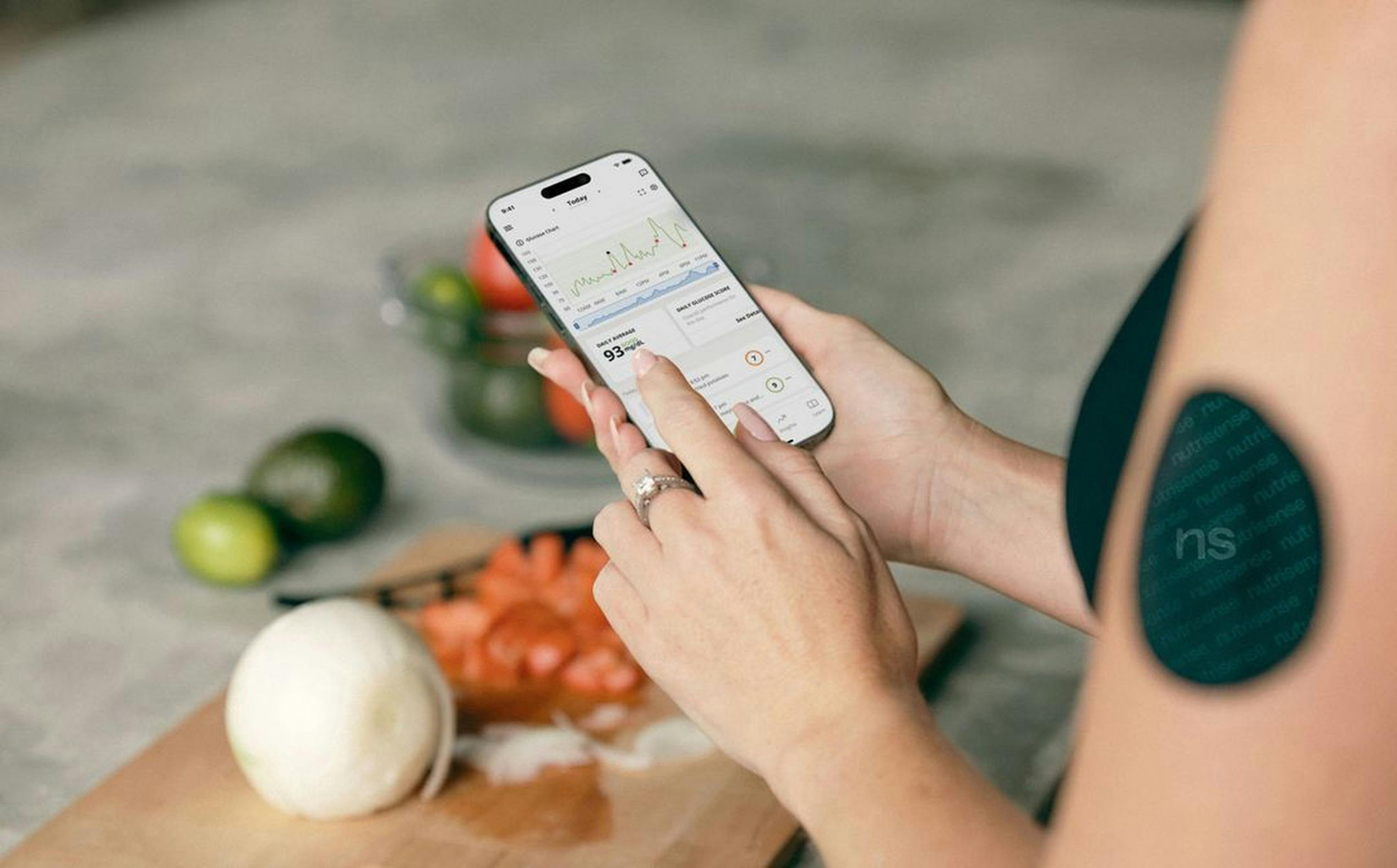
Continuous glucose monitors integrated into wearable formats have revolutionized diabetes management, eliminating the need for frequent finger-prick blood tests. These sensors provide real-time glucose readings, trend predictions, and alerts for dangerous blood sugar fluctuations, dramatically improving glycemic control and quality of life for diabetic patients.
Electrocardiogram (ECG) functionality in smartwatches has proven particularly valuable for detecting atrial fibrillation, a common heart rhythm disorder that significantly increases stroke risk. Studies have demonstrated that wearable ECG monitoring can identify previously undiagnosed AFib in asymptomatic individuals, enabling timely medical intervention.
Sleep Architecture Analysis: Beyond Simple Sleep Tracking
Modern bio-sensor integration enables sophisticated sleep analysis that goes far beyond tracking total sleep duration. By combining accelerometer data with heart rate patterns, heart rate variability, respiratory rate, and body temperature, wearables can estimate sleep stages including light sleep, deep sleep, and REM sleep with reasonable accuracy compared to polysomnography.
This detailed sleep architecture data helps users understand sleep quality, identify factors that disrupt restorative sleep, and implement behavioral changes that improve sleep hygiene. Given the fundamental importance of quality sleep for physical recovery, cognitive function, and overall health, this capability represents a significant advancement in preventive health management.
🧠 The Artificial Intelligence Advantage: Making Sense of Bio-Sensor Data
The true power of bio-sensor integration emerges when combined with artificial intelligence and machine learning algorithms. The vast amounts of physiological data collected by wearables would be overwhelming and largely meaningless without sophisticated analytical frameworks to identify patterns, detect anomalies, and generate actionable insights.
Machine learning models trained on millions of user data points can establish personalized baselines for each individual, recognizing what constitutes normal versus concerning variations in physiological parameters. This individualized approach is crucial because significant inter-individual variability means that population averages often provide limited utility for personal health assessment.
Predictive algorithms can identify subtle patterns that precede illness onset, potentially detecting infections, metabolic disturbances, or cardiovascular events days before symptoms manifest. This predictive capability transforms wearables from reactive monitoring devices into proactive health management tools that could significantly reduce healthcare costs and improve outcomes through early intervention.
Personalized Health Recommendations: From Data to Action
AI-powered wearables don’t just collect and display data—they translate physiological information into specific, actionable recommendations tailored to individual circumstances. These might include suggestions to increase hydration based on elevated resting heart rate and decreased heart rate variability, recommendations to reduce training intensity when recovery metrics indicate accumulated fatigue, or prompts to practice stress-reduction techniques when electrodermal activity signals elevated sympathetic nervous system activation.
This closed-loop system of monitoring, analysis, and intervention creates a digital health coach that provides continuous guidance based on objective physiological data rather than subjective impressions or generic advice.
🔐 Privacy, Security, and Ethical Considerations in Bio-Sensor Data
The continuous collection of intimate physiological data raises significant privacy and security concerns that must be addressed as wearable bio-sensor technology becomes more prevalent. Health data represents some of the most sensitive personal information, with potential implications for insurance coverage, employment opportunities, and personal relationships if mishandled or improperly accessed.
Robust data encryption, transparent privacy policies, user control over data sharing, and clear consent processes are essential components of responsible wearable technology development. Users must understand what data is being collected, how it’s being used, who has access to it, and what safeguards protect against unauthorized access or misuse.
The aggregation of population-level health data from wearables offers tremendous potential for public health research, disease surveillance, and epidemiological studies, but this must be balanced against individual privacy rights through proper de-identification protocols and ethical oversight frameworks.
🚀 Future Horizons: Emerging Bio-Sensor Technologies
The current generation of wearable bio-sensors, impressive as it is, represents only the beginning of what’s possible. Research laboratories and technology companies are developing next-generation sensors that will expand monitoring capabilities even further.
Non-Invasive Blood Chemistry Analysis
Scientists are working on optical sensors capable of measuring blood chemistry parameters including glucose, lactate, ketones, cortisol, and even alcohol levels through spectroscopic analysis of interstitial fluid or transmitted light through tissue. Success in this area would eliminate the need for blood draws for routine monitoring of numerous health markers.
Sweat-Based Bio-Sensing
Sweat contains a wealth of biomarkers that reflect systemic physiology. Microfluidic sensors integrated into wearable patches or clothing can analyze sweat composition, measuring electrolytes, metabolites, hormones, and other molecules that provide insights into hydration status, metabolic state, and physiological stress.
Continuous Blood Pressure Monitoring
Hypertension remains a leading risk factor for cardiovascular disease, yet traditional blood pressure measurement provides only intermittent snapshots. Researchers are developing wearable sensors using pulse transit time, pulse wave analysis, and other techniques to estimate blood pressure continuously throughout the day, capturing the dynamic fluctuations that single measurements miss.
⚡ Overcoming Current Limitations and Challenges
Despite remarkable progress, bio-sensor integration in wearables faces several challenges that must be addressed to realize the technology’s full potential. Battery life constraints limit the frequency and duration of sensor activation, forcing trade-offs between monitoring comprehensiveness and device usability. Advances in low-power electronics and energy harvesting technologies will be crucial for enabling continuous, multi-modal sensing without frequent charging.
Sensor accuracy remains variable across different skin tones, body types, and activity contexts. Optical sensors in particular can be affected by skin pigmentation, tattoos, ambient light, and motion artifacts. Improving algorithmic compensation for these variables and developing sensors less susceptible to interference will enhance reliability and equity in health monitoring.
User engagement and adherence represent perhaps the most significant challenge. Even the most sophisticated bio-sensor technology provides no benefit if devices aren’t worn consistently. Designing wearables that are comfortable, aesthetically appealing, and provide value that justifies the behavior change required for consistent use remains an ongoing challenge for manufacturers.
💪 Maximizing the Benefits of Your Bio-Sensor Equipped Wearable
To extract maximum value from wearable bio-sensor technology, users should focus on several key practices. Consistency in wearing the device is paramount—sporadic use produces fragmented data that limits the establishment of meaningful baselines and trend identification. Ideally, wearables should be worn continuously, including during sleep when many important physiological processes occur.
Regular review of collected data helps identify patterns and correlations that might otherwise go unnoticed. Most wearable companion apps provide weekly or monthly summaries that highlight trends and notable changes. Taking time to review these reports and reflect on how physiological metrics correlate with lifestyle factors, health outcomes, and subjective well-being enhances self-awareness and informs behavior modification.
Integration with healthcare providers represents an underutilized opportunity. Sharing wearable data with physicians provides objective information that can supplement traditional clinical assessments, facilitate remote monitoring of chronic conditions, and enable earlier detection of health changes requiring intervention. As healthcare systems increasingly recognize the value of patient-generated health data, this integration will likely become standard practice.
🌟 The Convergence of Technology and Wellness
Bio-sensor integration has transformed wearables from simple activity trackers into sophisticated health monitoring systems that provide unprecedented insights into human physiology. This technology empowers individuals with information previously accessible only through medical testing, democratizing health awareness and enabling proactive wellness management.
The continuous evolution of sensor technology, miniaturization, artificial intelligence, and data analytics promises even more impressive capabilities in the near future. As accuracy improves, additional biomarkers become measurable, and predictive algorithms become more sophisticated, wearables will increasingly serve as early warning systems for health issues and personalized guides for optimizing physical and mental performance.
The true revolution lies not just in the technology itself, but in how it changes our relationship with our bodies and our health. By making physiological data visible, understandable, and actionable, bio-sensor equipped wearables enable a shift from reactive sick care to proactive health care, from population-based guidelines to personalized optimization, and from intuition-based decisions to data-driven wellness strategies.
As we stand at this intersection of biology, electronics, and data science, the potential to enhance human health, extend healthspan, and improve quality of life through intelligent bio-sensor integration is truly extraordinary. The wearable revolution has only just begun, and its ultimate impact on human wellness will likely exceed even our most optimistic current projections.