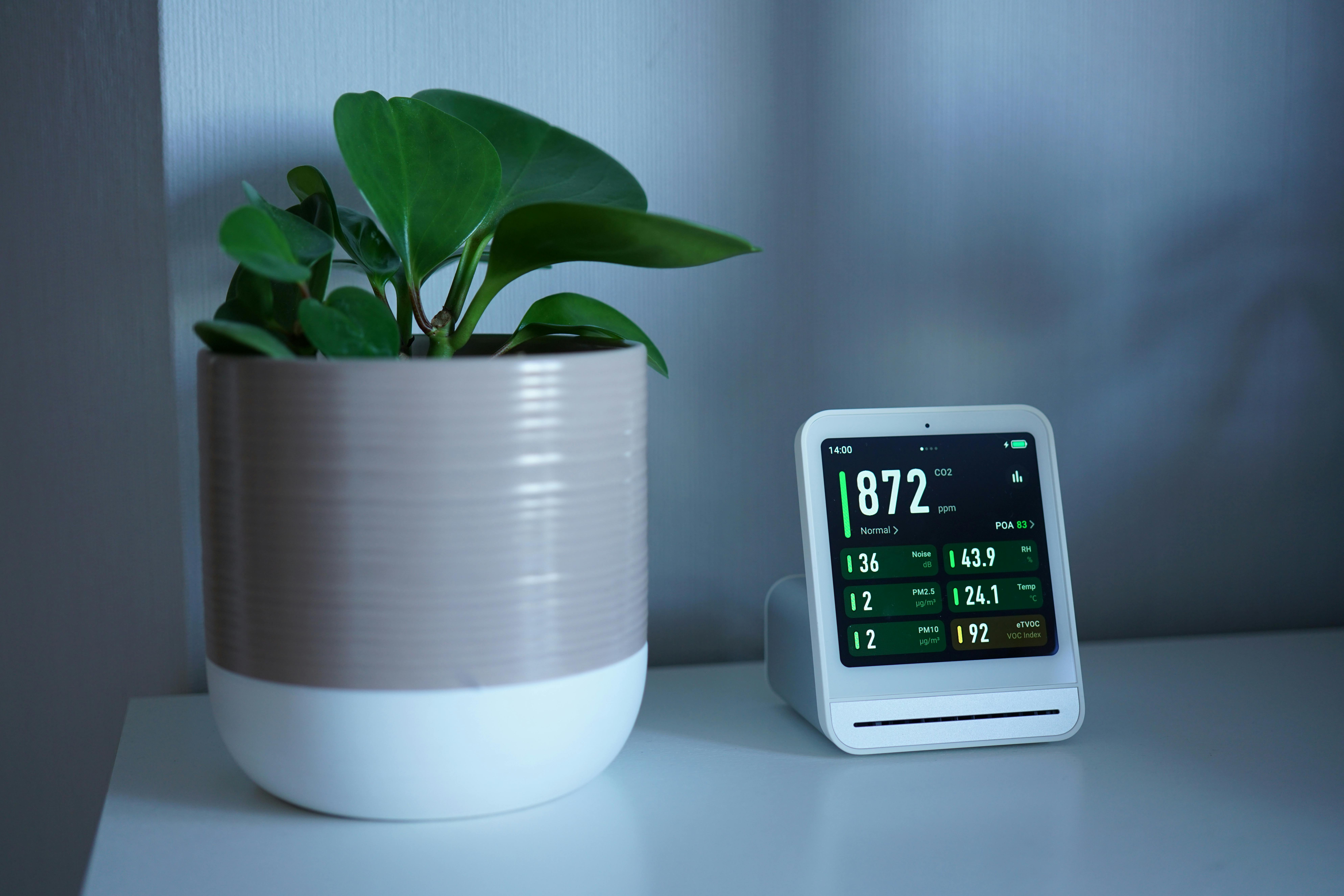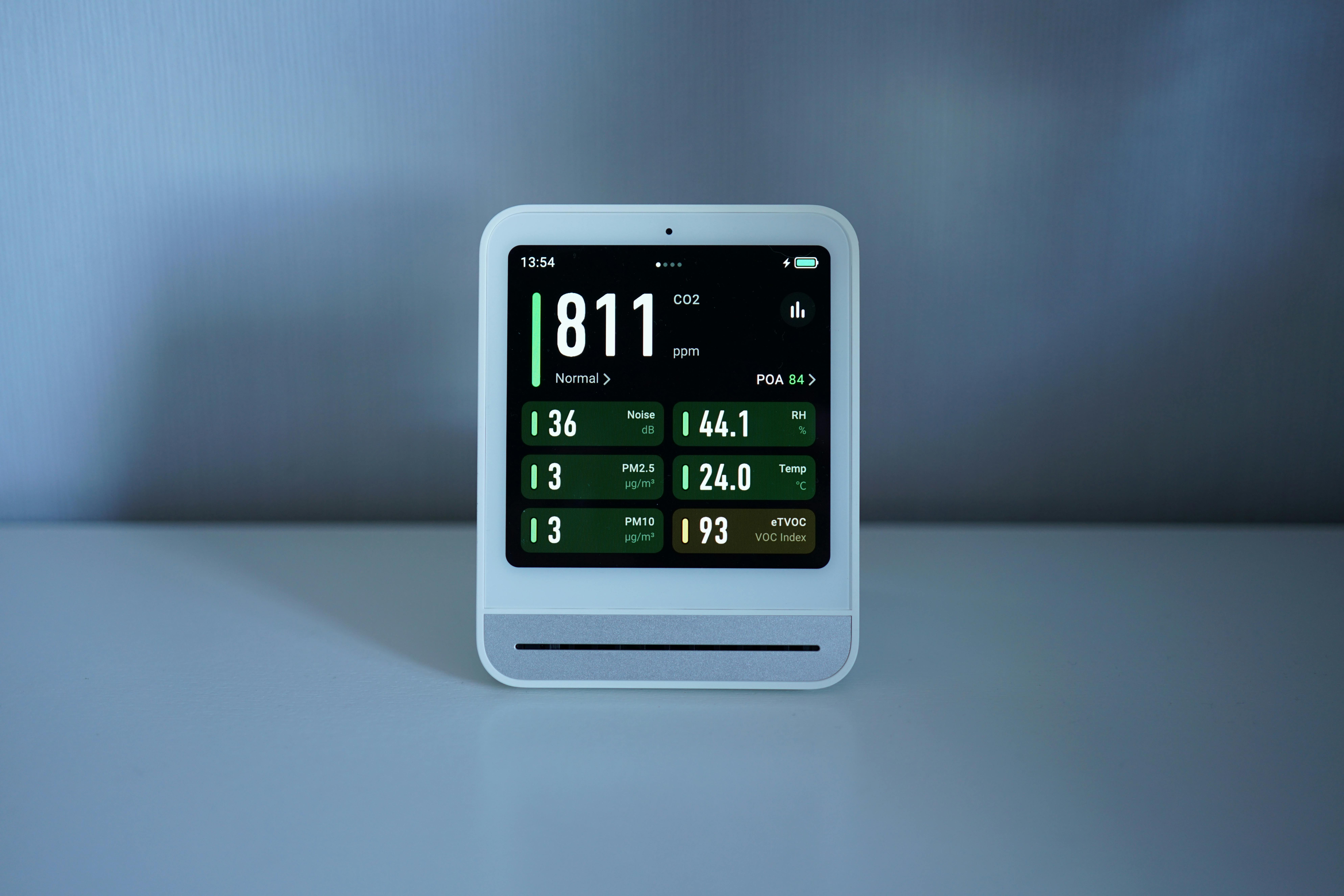
The intersection of health technology and user experience is transforming how we monitor, manage, and understand our bodies through innovative bio-sensor products.

🔬 The Bio-Sensor Revolution: Where Technology Meets Biology
Bio-sensor technology has evolved dramatically over the past decade, shifting from bulky laboratory equipment to sleek, wearable devices that seamlessly integrate into our daily lives. These sophisticated instruments now measure everything from glucose levels and heart rate variability to stress hormones and sleep patterns. However, the true game-changer isn’t just the sensors themselves—it’s the intuitive interfaces that make this complex data accessible and actionable for everyday users.
The global bio-sensor market is projected to reach unprecedented heights, driven primarily by consumer demand for personalized health monitoring. Yet, despite technological advances, many early bio-sensor products failed to gain traction. The reason? Poor user experience. Complex interfaces, overwhelming data presentation, and lack of actionable insights created barriers between users and their health information.
Today’s successful bio-sensor products recognize a fundamental truth: sophisticated technology means nothing if users can’t understand or engage with it. This realization has sparked a design revolution, placing intuitive interfaces at the forefront of health tech innovation.
💡 Understanding Intuitive Design in Health Technology
Intuitive interface design in bio-sensor products goes far beyond aesthetic appeal. It encompasses the entire user journey—from initial setup to daily interaction and long-term engagement. An intuitive interface anticipates user needs, minimizes cognitive load, and transforms complex biological data into meaningful, accessible information.
The Psychology Behind Intuitive Health Interfaces
Effective bio-sensor interfaces leverage fundamental principles of human psychology and cognitive science. They recognize that users interact with health data emotionally as well as rationally. A spike in heart rate or an abnormal glucose reading isn’t just data—it’s information that can trigger anxiety, motivation, or confusion depending on how it’s presented.
Successful interfaces employ progressive disclosure, revealing information in layers that match the user’s expertise and current needs. A beginner might see simple color-coded indicators and trend arrows, while an advanced user can dive into detailed graphs and correlations. This adaptability ensures the interface remains relevant throughout the user’s health journey.
Visual Communication of Biological Data
Bio-sensor products generate enormous amounts of data, but raw numbers rarely inspire action or understanding. Intuitive interfaces excel at visual storytelling, transforming data streams into narratives that users can quickly comprehend and act upon. Color psychology plays a crucial role—greens signal healthy ranges, yellows suggest caution, and reds demand attention, all while avoiding unnecessary alarm.
Motion design and micro-interactions provide feedback that makes the interface feel responsive and alive. When a user logs a meal, subtle animations might show how it affects their glucose trajectory. When heart rate variability improves, celebratory micro-animations reinforce positive behavior. These design elements create emotional connections that pure data cannot achieve.
🎯 Key Features of Revolutionary Bio-Sensor Interfaces
The most impactful bio-sensor products share common interface characteristics that set them apart from conventional health technology. Understanding these features provides insight into what makes health tech truly revolutionary.
Real-Time Feedback Loops
Modern bio-sensor interfaces provide immediate, contextual feedback that helps users understand cause-and-effect relationships between their behaviors and physiological responses. When someone practices breathing exercises, they can watch their heart rate variability improve in real-time. This immediate feedback creates powerful learning experiences that drive behavior change far more effectively than delayed reports or abstract recommendations.
The interface becomes a mirror reflecting the body’s responses, making invisible biological processes visible and understandable. This transparency empowers users to experiment, learn, and optimize their health strategies based on their unique physiological responses.
Contextual Intelligence and Personalization
Revolutionary bio-sensor interfaces don’t just display data—they understand context. They know whether it’s morning or night, whether the user is at work or exercising, and how current readings compare to personal baselines and patterns. This contextual awareness allows the interface to provide relevant insights rather than generic information.
Machine learning algorithms working behind intuitive interfaces identify patterns that individual users might miss. Perhaps stress levels consistently spike during Tuesday afternoon meetings, or sleep quality deteriorates after certain foods. The interface surfaces these insights proactively, framing them as opportunities for improvement rather than criticisms.
Seamless Integration Across Platforms
Health doesn’t happen on a single device, and neither should health monitoring. Intuitive bio-sensor interfaces synchronize seamlessly across smartphones, smartwatches, tablets, and web platforms, maintaining consistency while optimizing for each device’s unique capabilities. Users access their complete health picture regardless of which device is most convenient at any moment.
This multi-platform approach also facilitates data sharing with healthcare providers, family members, or coaches, with granular privacy controls that put users firmly in charge of their information. The interface makes complex permission settings understandable through clear visual representations of who sees what.
🏥 Impact on Healthcare Delivery and Patient Outcomes
The power of intuitive bio-sensor interfaces extends beyond individual users, fundamentally changing healthcare delivery models and improving clinical outcomes at scale. Healthcare providers increasingly recognize that better interfaces lead to better patient engagement, which translates directly to improved health outcomes.
Bridging the Gap Between Clinical and Home Monitoring
Traditionally, healthcare operated on episodic touchpoints—patients visited clinics for measurements, received results days later, and implemented recommendations with minimal ongoing support. Intuitive bio-sensor interfaces have transformed this model into continuous care, with constant data streams providing unprecedented visibility into patient health between appointments.
Clinicians now access comprehensive trend data rather than single snapshots, enabling more informed treatment decisions. The interface presents this clinical view differently than the patient view, emphasizing metrics and patterns relevant to medical decision-making while maintaining the underlying data integrity.
Empowering Preventive Healthcare
Perhaps the most revolutionary aspect of intuitive bio-sensor interfaces is their role in shifting healthcare from reactive treatment to proactive prevention. By making health monitoring accessible and engaging, these interfaces encourage users to pay attention to subtle changes before they become serious problems.
Early warning systems built into intuitive interfaces can detect pattern deviations that might indicate developing conditions. Rather than triggering panic, well-designed interfaces frame these alerts as opportunities for early intervention, often providing immediate actions users can take while also recommending professional consultation when appropriate.
🚀 Emerging Technologies Enhancing Interface Innovation
The evolution of intuitive bio-sensor interfaces continues to accelerate, driven by emerging technologies that expand possibilities for how we interact with health data. Understanding these trends provides insight into where health tech is headed.
Voice Interaction and Conversational Interfaces
Voice technology is transforming bio-sensor interfaces from primarily visual experiences to multimodal interactions. Users can ask questions about their health data, receive spoken explanations of trends, and log information hands-free. This accessibility proves particularly valuable for users with visual impairments or situations where screen interaction isn’t practical.
Conversational AI embedded in bio-sensor interfaces can conduct health assessments through natural dialogue, making data input feel less like form-filling and more like chatting with a knowledgeable friend. This reduces friction and increases engagement, particularly for users who find traditional interfaces intimidating.
Augmented Reality for Data Visualization
Augmented reality represents the frontier of intuitive health interfaces, overlaying biological data onto the physical world in contextually relevant ways. Imagine pointing your phone camera at your arm and seeing a heat map of circulation, or viewing your stress levels as a visual aura around your body during meditation practice.
While still emerging, AR interfaces promise to make the connection between body and data even more immediate and intuitive, reducing the abstraction that can make health metrics feel disconnected from physical experience.
Haptic Feedback and Wearable Interfaces
The next generation of bio-sensor interfaces extends beyond visual and auditory channels to incorporate haptic feedback—gentle vibrations and pressure changes that communicate health information through touch. A smartwatch might use specific vibration patterns to signal when to take deep breaths during stressful periods, or provide subtle cues that guide meditation practice based on real-time heart rate variability.
This haptic communication creates possibilities for truly ambient health monitoring—interfaces that provide guidance and feedback without requiring constant screen attention, integrating health awareness seamlessly into daily activities.
📊 Design Principles Driving Success in Bio-Sensor Interfaces
Creating genuinely intuitive interfaces for complex bio-sensor data requires adherence to specific design principles that balance simplicity with depth, engagement with accuracy, and aesthetics with functionality.
Clarity Over Complexity
The temptation to showcase technical sophistication by displaying every available metric must be resisted. Successful interfaces prioritize clarity, presenting the minimum information necessary for users to understand their current state and take appropriate action. Additional depth remains accessible but never imposed.
Every element serves a purpose, and every interaction moves users toward better health outcomes. Decorative flourishes that don’t add functional or emotional value are eliminated in favor of clean, purposeful design that respects users’ attention and cognitive capacity.
Consistency Across Experiences
Intuitive interfaces maintain consistent design language, interaction patterns, and information architecture across all touchpoints. Users learn the interface once and apply that knowledge everywhere, reducing cognitive load and increasing confidence. Color meanings, gesture controls, and navigation patterns remain stable, creating a sense of familiarity that enables deeper engagement with health data rather than constant relearning of interface mechanics.
Accessibility as Foundation, Not Afterthought
Revolutionary bio-sensor interfaces recognize that accessibility benefits everyone, not just users with specific needs. High contrast modes, adjustable text sizes, screen reader compatibility, and alternative interaction methods make interfaces more usable for all users in various contexts and conditions.
Inclusive design also considers health literacy levels, cultural contexts, and language differences, ensuring that intuitive doesn’t mean “intuitive only to certain demographics.” True innovation in health tech interfaces means creating experiences that work for the broadest possible range of human diversity.
🌟 Real-World Applications Transforming Lives
The theoretical benefits of intuitive bio-sensor interfaces become tangible when examining real-world applications that are actively improving health outcomes and quality of life for millions of users worldwide.
Diabetes Management Revolution
Continuous glucose monitors with intuitive interfaces have transformed diabetes management from a burden of constant testing and guesswork to a data-driven, confidence-building experience. Modern interfaces predict glucose trends, suggest insulin adjustments, and help users understand how specific foods, activities, and stress levels affect their blood sugar.
The interface becomes a partner in disease management rather than just a reporting tool, reducing the mental load of constant vigilance while actually improving glycemic control. Users report feeling more empowered and less anxious about their condition when interfaces present information clearly and actionably.
Cardiac Monitoring and Early Detection
Wearable ECG monitors with sophisticated yet approachable interfaces enable early detection of atrial fibrillation and other cardiac irregularities. The interface guides users through proper measurement technique, explains results in plain language, and facilitates seamless sharing of data with cardiologists when concerning patterns emerge.
This democratization of cardiac monitoring catches potential issues before they become emergencies, with intuitive interfaces ensuring that life-saving technology isn’t limited to those with medical expertise or technical sophistication.
Mental Health and Stress Management
Bio-sensors measuring heart rate variability, electrodermal activity, and other stress indicators paired with intuitive interfaces provide objective insights into mental health patterns. The interface helps users identify stress triggers, measure the effectiveness of coping strategies, and build resilience through real-time biofeedback.
By making invisible mental states visible through thoughtful interface design, these products reduce stigma and empower users to take concrete action on mental wellness, tracking progress with the same rigor traditionally reserved for physical health metrics.
🔮 The Future Landscape of Bio-Sensor Interface Design
As bio-sensor technology continues advancing and our understanding of interface design deepens, the future promises even more revolutionary approaches to health monitoring and management. Several trends point toward where this intersection of technology and design is heading.
Predictive Health Modeling
Future interfaces won’t just report current states or past trends—they’ll model probable futures based on comprehensive data analysis. Users might interact with interfaces showing how different choices today affect their projected health outcomes weeks or months from now, making abstract long-term consequences tangible and motivating.
These predictive interfaces will use sophisticated modeling while presenting information in ways that inspire agency rather than fatalism, emphasizing the controllable factors and actionable steps rather than overwhelming users with deterministic forecasts.
Social and Collaborative Health Experiences
While maintaining appropriate privacy, future bio-sensor interfaces will facilitate meaningful social connections around health goals. Interfaces might enable sharing specific achievements or challenges with chosen communities, creating accountability and support networks that enhance motivation and success.
The design challenge lies in fostering healthy competition and mutual support while avoiding the comparison-driven anxiety that plagues many social platforms. Successful interfaces will emphasize personal progress over peer comparison, celebrating individual journeys rather than creating hierarchies.
Ambient Computing and Invisible Interfaces
The ultimate intuitive interface may be no interface at all—or rather, interfaces so seamlessly integrated into environments and routines that they become invisible. Bio-sensors might communicate with smart home systems, vehicle interfaces, and workplace environments to optimize conditions for health automatically, without requiring explicit user interaction.
This ambient approach represents the pinnacle of intuitive design: technology that understands and serves user needs so effectively that conscious attention to the interface becomes unnecessary, leaving users free to focus on living rather than monitoring.

✨ Empowering Users Through Thoughtful Design
The revolution in health tech isn’t ultimately about sensors or algorithms—it’s about empowering individuals with actionable insight into their own biology through interfaces that educate, motivate, and support. Intuitive design transforms intimidating medical technology into trusted health partners, accessible to anyone regardless of technical expertise or health literacy.
As bio-sensor technology becomes increasingly sophisticated, the importance of intuitive interfaces grows proportionally. The most powerful sensor provides no value if users can’t understand or act on the information it provides. Conversely, thoughtful interface design can make relatively simple measurements profoundly impactful by presenting them in contexts that inspire meaningful behavior change.
The ongoing collaboration between biomedical engineers, data scientists, interaction designers, and healthcare professionals continues pushing boundaries of what’s possible. Each iteration learns from user behavior, clinical outcomes, and technological capabilities, creating increasingly effective tools for health management and disease prevention.
This revolution extends benefits beyond individual users to healthcare systems, employers, insurers, and society broadly. Better health monitoring leads to earlier interventions, more effective treatments, reduced healthcare costs, and improved quality of life across populations. Intuitive interfaces make these systemic benefits achievable by ensuring technology actually gets used consistently and correctly.
The path forward requires continued commitment to human-centered design principles, rigorous testing with diverse user populations, and willingness to prioritize usability alongside technical capabilities. The companies and products that thrive will be those that remember technology serves people, not the reverse—those that measure success not in features shipped but in lives improved and health outcomes enhanced.
Bio-sensor products with truly intuitive interfaces represent more than incremental improvement in health technology—they represent a fundamental reimagining of the relationship between individuals and their health data. By making the invisible visible, the complex simple, and the overwhelming manageable, these revolutionary interfaces empower people to become active participants in their health rather than passive recipients of care. This transformation holds promise not just for managing disease, but for optimizing wellness and human potential in ways previously unimaginable. 🌈