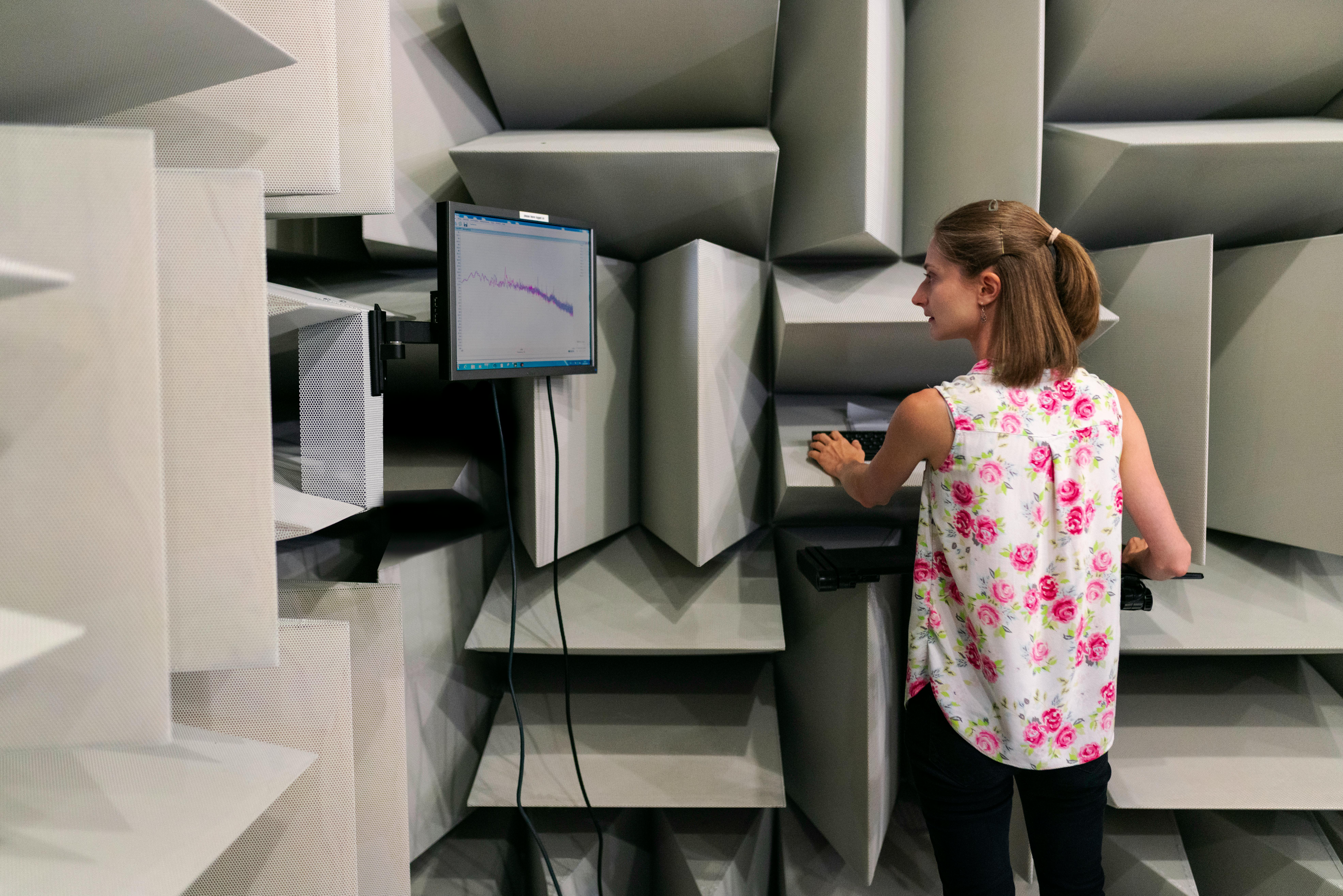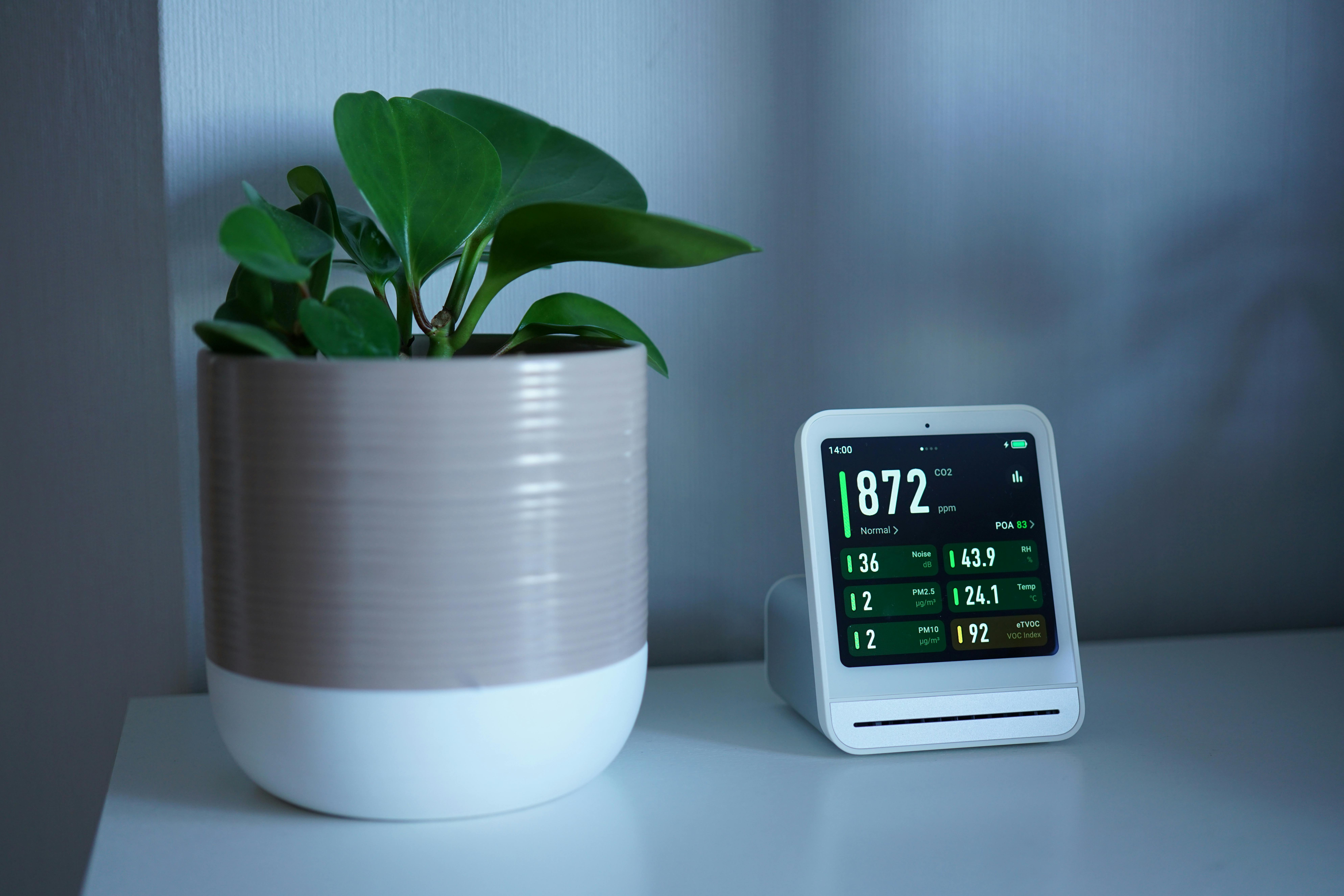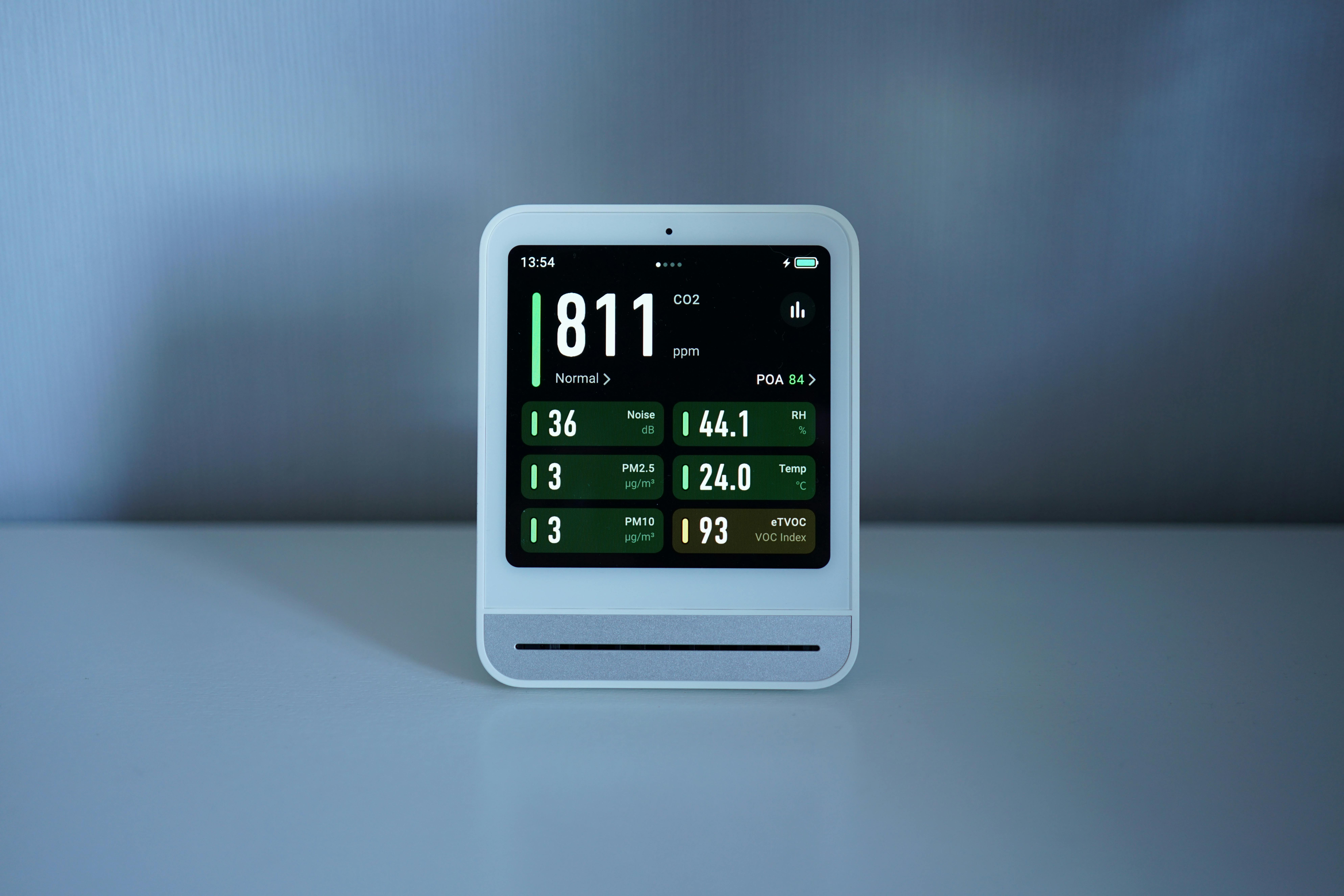
Bio-sensors are transforming how we monitor health, environment, and food safety, bridging the critical gap between laboratory innovation and practical field applications.

🔬 The Evolution of Bio-Sensor Technology
The journey of bio-sensors from controlled laboratory settings to real-world environments represents one of the most significant technological transitions in modern science. These sophisticated devices, which combine biological recognition elements with transducers to detect specific analytes, have undergone remarkable transformations over the past decades. What once required bulky laboratory equipment and specialized personnel can now be accomplished with portable, user-friendly devices that deliver results in minutes rather than hours.
The initial bio-sensor prototypes were primarily confined to research laboratories, where controlled conditions allowed for precise measurements and reproducible results. However, the true potential of these technologies could only be realized by making them accessible in field settings—from remote agricultural areas to point-of-care medical facilities in underserved communities. This transition has demanded innovative approaches to design, manufacturing, and deployment strategies that account for the unpredictable nature of real-world conditions.
Understanding the Laboratory-to-Field Challenge 🌍
The path from laboratory prototype to field-ready bio-sensor is fraught with technical, practical, and regulatory challenges. Laboratory conditions offer controlled temperature, humidity, and environmental factors that simply don’t exist in field settings. A bio-sensor that performs flawlessly in a climate-controlled lab may fail when exposed to fluctuating temperatures, dust, moisture, or the rough handling that comes with field deployment.
Researchers and engineers must consider numerous factors when transitioning prototypes to field-ready devices. Stability of biological recognition elements, power requirements, data transmission capabilities, and user interface design all become critical considerations. The device must not only function accurately but also be intuitive enough for non-specialist users to operate effectively without extensive training.
Key Obstacles in Real-World Deployment
Environmental variability poses perhaps the greatest challenge to bio-sensor deployment. Temperature fluctuations can affect enzyme activity in biosensors, while humidity can compromise electronic components. UV exposure may degrade sensitive biological materials, and physical stress during transportation can misalign delicate sensing elements. Each of these factors requires careful engineering solutions that often weren’t necessary in the protected laboratory environment.
Power supply represents another significant hurdle. While laboratory prototypes can rely on continuous electrical supply, field devices must operate on batteries or alternative power sources. This constraint demands energy-efficient designs and sometimes requires compromises in sensing frequency or data processing capabilities. Solar power integration, energy harvesting technologies, and ultra-low-power electronics have all emerged as solutions to this persistent challenge.
Breakthrough Technologies Enabling Field Deployment 💡
Recent technological advances have dramatically accelerated the translation of bio-sensor prototypes into field-ready devices. Microfluidics technology has enabled the miniaturization of complex laboratory processes into chip-sized devices, reducing reagent consumption and improving portability. These lab-on-a-chip systems can perform multiple analytical steps autonomously, minimizing user intervention and reducing error rates.
Nanotechnology has revolutionized bio-sensor sensitivity and selectivity. Nanomaterials such as carbon nanotubes, graphene, and quantum dots provide enhanced surface area for biological recognition elements while improving signal transduction. These materials also contribute to device miniaturization and can be engineered to withstand harsh environmental conditions better than traditional materials.
Wireless Connectivity and IoT Integration
The integration of wireless communication technologies has transformed bio-sensors from standalone devices into nodes within larger data networks. Internet of Things (IoT) capabilities enable real-time data transmission from field locations to centralized monitoring systems, facilitating rapid response to detected threats or anomalies. This connectivity also allows for remote diagnostics, firmware updates, and quality control measures that were previously impossible with isolated field devices.
Cloud-based data analytics platforms process information from distributed bio-sensor networks, identifying patterns and trends that individual measurements might miss. Machine learning algorithms can compensate for environmental interference, improve accuracy over time, and even predict sensor maintenance needs before failures occur. This intelligent infrastructure extends the useful life of field-deployed sensors and enhances their reliability.
Agricultural Applications: From Soil to Harvest 🌾
Agriculture represents one of the most promising domains for field-deployed bio-sensors. Farmers increasingly rely on these devices to monitor soil nutrients, detect plant pathogens, and optimize irrigation strategies. Bio-sensors capable of measuring nitrogen, phosphorus, and potassium levels in real-time enable precision fertilization that reduces waste and environmental impact while improving crop yields.
Pathogen detection bio-sensors provide early warning of bacterial, viral, or fungal infections before visible symptoms appear. This early detection capability allows for targeted interventions that can save entire harvests and reduce reliance on broad-spectrum pesticides. Sensors deployed throughout fields create monitoring networks that track disease spread and inform containment strategies.
Water Quality Management
Bio-sensors monitoring irrigation water quality protect crops from contamination while ensuring efficient water use. These devices detect heavy metals, pesticide residues, and microbial contamination that could compromise food safety or soil health. Automated systems can redirect contaminated water or trigger purification processes, maintaining optimal growing conditions without constant human oversight.
Healthcare Revolution: Point-of-Care Diagnostics 🏥
The healthcare sector has experienced perhaps the most dramatic impact from field-deployable bio-sensors. Point-of-care diagnostics bring laboratory-quality testing to patient bedsides, rural clinics, and resource-limited settings where traditional laboratory infrastructure doesn’t exist. These devices enable rapid diagnosis of infectious diseases, metabolic disorders, and cardiac emergencies, facilitating timely treatment decisions that save lives.
Glucose monitors for diabetes management pioneered the field of personal bio-sensors and continue to evolve with continuous monitoring capabilities and smartphone integration. These devices exemplify the ideal translation of laboratory technology into user-friendly tools that empower patients to manage their own health. The lessons learned from glucose monitor development have informed the design of bio-sensors for other chronic conditions.
Infectious Disease Surveillance
Portable bio-sensors for infectious disease detection have proven invaluable in outbreak response and epidemic prevention. Devices capable of identifying pathogens like malaria, tuberculosis, and viral hemorrhagic fevers in field settings enable rapid diagnosis without the delays associated with sample transport to distant laboratories. During disease outbreaks, this rapid detection capability can be the difference between contained incidents and widespread epidemics.
The COVID-19 pandemic accelerated development and deployment of field-ready diagnostic bio-sensors at an unprecedented pace. Rapid antigen tests, though simpler than sophisticated bio-sensors, demonstrated the critical importance of accessible, point-of-care diagnostic capabilities for public health response. This experience has driven investment in more advanced bio-sensor platforms for future pandemic preparedness.
Environmental Monitoring: Protecting Our Planet 🌊
Environmental protection and monitoring represent another crucial application domain for field-deployed bio-sensors. Water quality monitoring networks detect pollutants, toxins, and pathogenic microorganisms in drinking water sources, recreational waters, and aquatic ecosystems. These continuous monitoring systems provide early warning of contamination events, enabling rapid response to protect public health and environmental quality.
Air quality bio-sensors detect biological aerosols, allergens, and pathogenic microorganisms in indoor and outdoor environments. These devices contribute to understanding the links between air quality and respiratory health while informing interventions to improve environmental conditions. Networks of distributed sensors create detailed spatial and temporal maps of air quality that support policy decisions and urban planning.
Biodiversity and Ecosystem Health
Bio-sensors deployed in natural ecosystems monitor biodiversity through environmental DNA detection, tracking species presence and abundance without direct observation. These non-invasive monitoring tools provide insights into ecosystem health, identify invasive species, and track endangered populations. The data collected supports conservation efforts and helps evaluate the effectiveness of environmental restoration projects.
Design Principles for Field-Ready Bio-Sensors ⚙️
Successful translation of bio-sensor prototypes into field-ready devices requires adherence to several fundamental design principles. Robustness must be engineered into every component, with protective housings that shield sensitive elements from environmental stressors while maintaining accessibility for necessary maintenance. Materials selection becomes critical, favoring components that can withstand temperature extremes, humidity, and physical impacts.
User interface design demands particular attention when developing field devices. Complex laboratory procedures must be simplified into intuitive workflows that minimize user error. Clear visual indicators, simple control schemes, and fail-safe mechanisms ensure that devices can be operated correctly by personnel with varying levels of technical expertise. Training requirements should be minimal, with the device itself guiding users through necessary procedures.
Calibration and Quality Control
Maintaining calibration in field settings presents unique challenges compared to laboratory environments. Self-calibration capabilities, integrated reference standards, and automatic quality control checks help ensure measurement accuracy over extended deployment periods. Remote monitoring systems can flag sensors requiring maintenance or recalibration, optimizing service schedules and minimizing downtime.
Regulatory Pathways and Standardization 📋
Navigating regulatory requirements represents a significant challenge in bringing bio-sensor innovations to market. Medical devices face stringent approval processes that require extensive validation and clinical testing. Environmental and agricultural sensors, while subject to less rigorous regulatory oversight, still must meet performance standards and interoperability requirements.
Standardization efforts across industries aim to establish common protocols for bio-sensor performance evaluation, data formats, and communication interfaces. These standards facilitate data sharing between different sensor platforms and enable integration into existing monitoring systems. Industry organizations and regulatory bodies collaborate to develop frameworks that balance innovation with safety and reliability requirements.
Economic Models and Market Access 💰
The commercial success of field-deployed bio-sensors depends on sustainable economic models that deliver value to end users while supporting ongoing development and improvement. Pricing strategies must balance the high costs of research, development, and regulatory compliance against the need for accessibility, particularly in resource-limited settings where bio-sensors could have the greatest impact.
Subscription-based models that bundle devices with data services, cloud analytics, and ongoing support have emerged as viable approaches. These models reduce upfront costs while ensuring revenue streams that support continuous improvement and customer service. Leasing arrangements and pay-per-test schemes offer additional flexibility, making bio-sensor technology accessible to users who might not afford large capital investments.
Future Horizons: Next-Generation Bio-Sensors 🚀
The future of bio-sensor technology promises even more sophisticated capabilities and broader applications. Multiplexed sensors capable of detecting multiple analytes simultaneously will provide comprehensive assessments from single samples. Integration of artificial intelligence will enable predictive analytics and autonomous decision-making, transforming bio-sensors from passive measurement tools into active components of automated systems.
Biodegradable and environmentally sustainable bio-sensors address growing concerns about electronic waste and environmental impact. These devices use materials that naturally degrade after their useful life, eliminating the need for complex disposal procedures. Such innovations align bio-sensor technology with broader sustainability goals while maintaining performance standards.
Personalized Medicine and Continuous Monitoring
Wearable bio-sensors will play increasingly important roles in personalized medicine, continuously monitoring biomarkers and providing real-time health status information. These devices will move beyond simple parameter tracking to offer insights into complex physiological processes, detecting subtle changes that predict health events before symptoms appear. Integration with telemedicine platforms will enable healthcare providers to monitor patients remotely and intervene proactively.

Building Bridges Between Innovation and Implementation 🌉
The successful translation of bio-sensor technology from laboratory prototypes to field-deployed devices requires collaboration across disciplines and sectors. Researchers, engineers, end users, regulatory bodies, and funding organizations must work together throughout the development process. User feedback during prototype testing ensures that final products meet real-world needs rather than theoretical specifications.
Partnerships between academic institutions, industry, and government agencies accelerate technology transfer and commercialization. Incubators and accelerator programs specifically focused on bio-sensor technologies provide resources, mentorship, and connections that help innovations overcome the valley of death between proof-of-concept and market-ready products. These support systems have become increasingly sophisticated, recognizing the unique challenges of bio-sensor commercialization.
The revolution in bio-sensor technology continues to gather momentum, driven by persistent innovation and growing recognition of these devices’ transformative potential. As manufacturing costs decrease, performance improves, and regulatory pathways become clearer, bio-sensors will become ubiquitous tools across healthcare, agriculture, environmental monitoring, and numerous other domains. The vision of comprehensive, real-time monitoring networks that protect human health and environmental quality grows closer to reality with each technological advance and successful field deployment.
The journey from laboratory bench to field application demands patience, persistence, and interdisciplinary collaboration, but the rewards—improved health outcomes, enhanced food security, and better environmental stewardship—justify the investment. As the field matures, the lessons learned from early deployments inform next-generation designs, creating a virtuous cycle of improvement that benefits all stakeholders. The future of bio-sensor technology is not confined to controlled laboratory settings but extends to every corner of our world, wherever reliable, rapid, and accessible detection capabilities can improve lives and protect our planet.