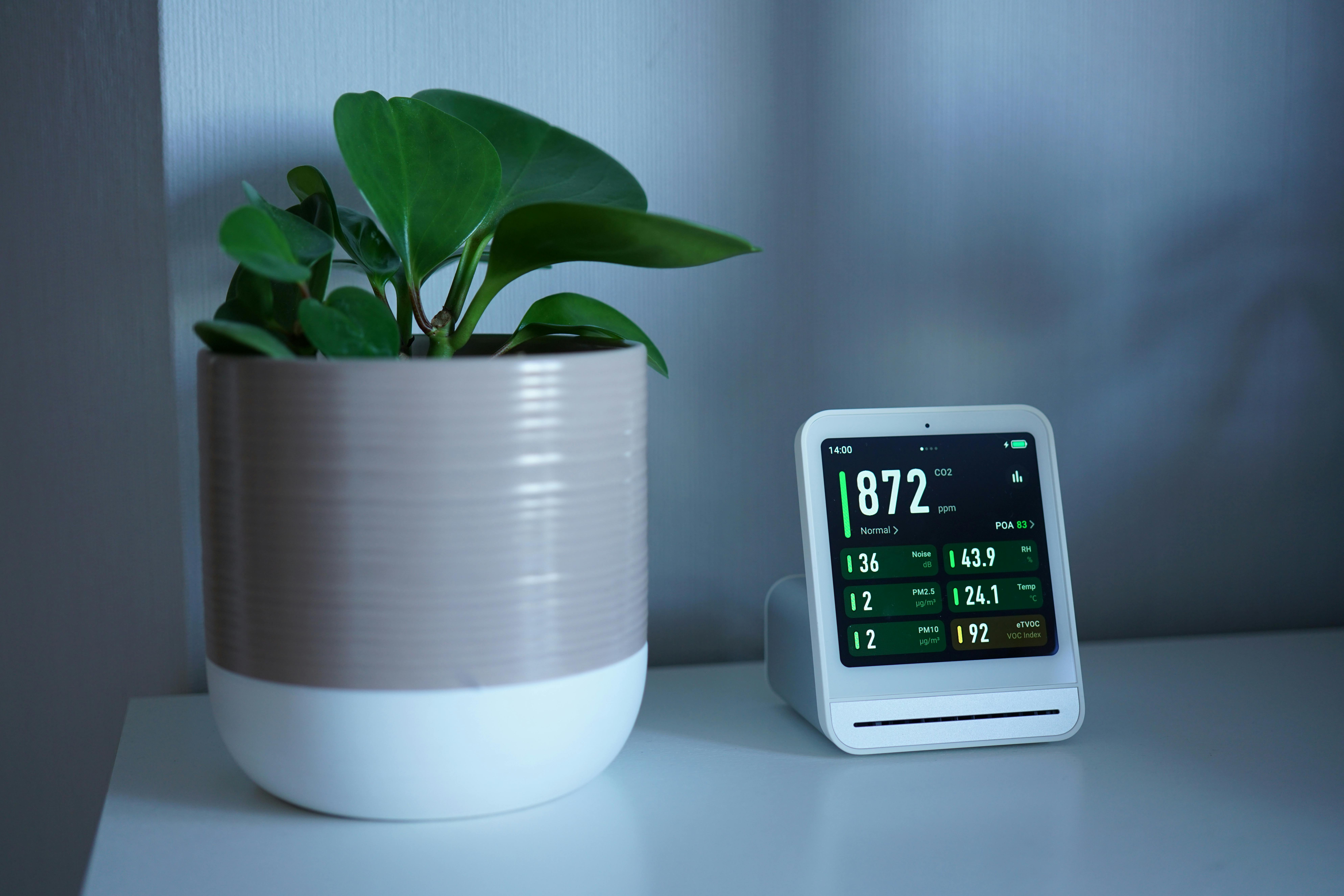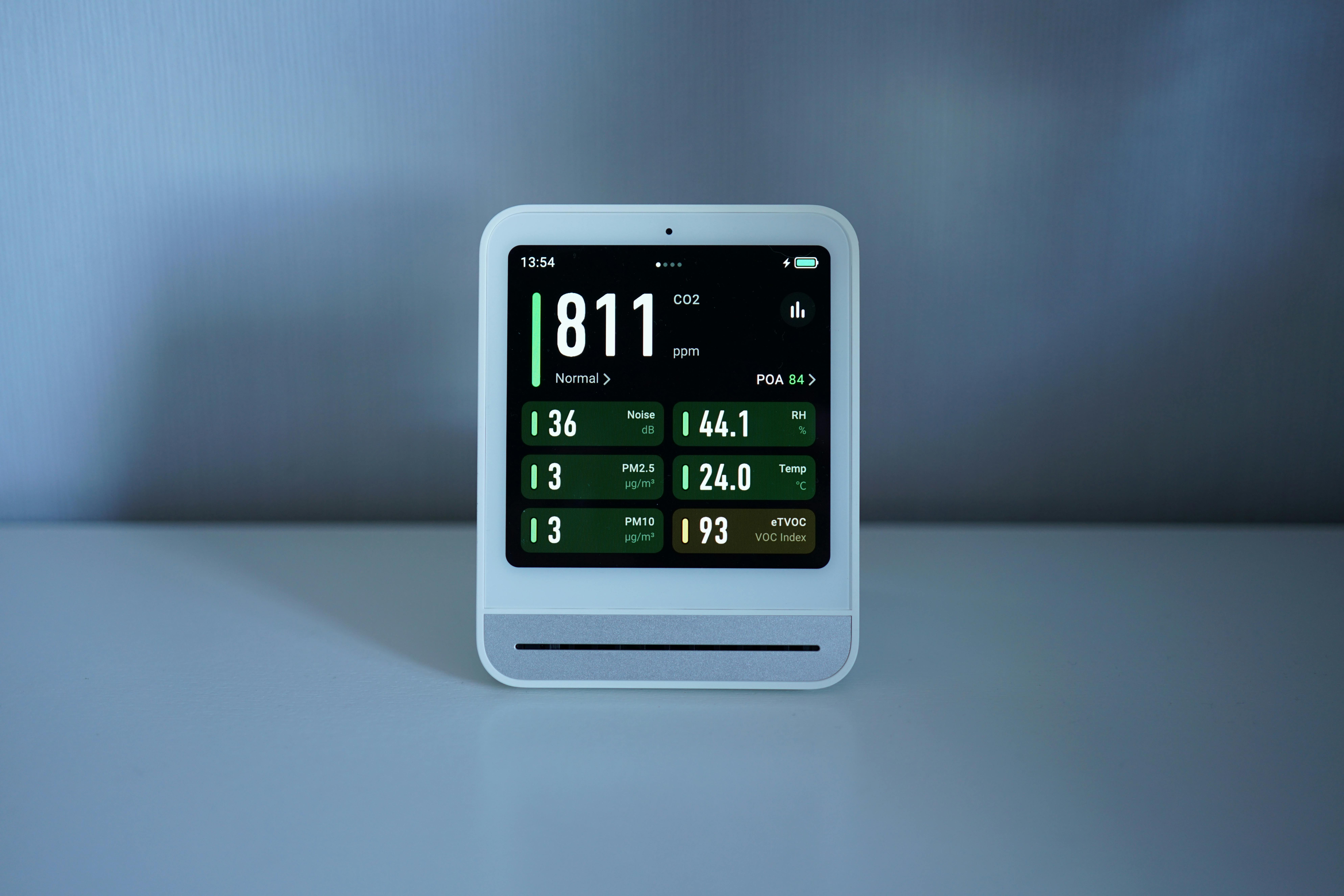
Revolutionary bio-sensor technology is transforming how we track and manage allergens, offering unprecedented accuracy in monitoring pollen levels and environmental triggers for allergy sufferers worldwide.

🌸 The Growing Challenge of Allergies in Modern Life
Allergies have become a significant health concern affecting millions of people globally. According to recent health statistics, approximately 30% of adults and 40% of children suffer from some form of allergic condition. Environmental allergens, particularly pollen, dust mites, and mold spores, trigger uncomfortable and sometimes dangerous reactions that impact quality of life, productivity, and overall well-being.
Traditional methods of allergen monitoring have relied heavily on manual sampling techniques and laboratory analysis, which often provide delayed information. By the time allergy sufferers receive pollen count updates, the conditions may have already changed significantly. This time lag has created a genuine need for real-time, accurate allergen detection systems that can help individuals make informed decisions about their daily activities.
The emergence of bio-sensor technology represents a paradigm shift in how we approach allergen monitoring. These innovative devices combine biological recognition elements with electronic signal processors to detect specific allergens in the environment with remarkable precision and speed.
Understanding Bio-Sensor Technology for Allergen Detection
Bio-sensors are analytical devices that convert biological responses into measurable electrical signals. In the context of allergen monitoring, these sophisticated instruments use various biological components such as antibodies, enzymes, or DNA sequences to identify and quantify specific allergenic substances in the air, food, or surfaces.
The basic structure of an allergen bio-sensor consists of three main components: a biological recognition element that interacts specifically with the target allergen, a transducer that converts this interaction into a measurable signal, and a signal processing system that interprets and displays the data in a user-friendly format.
Types of Bio-Sensors Used in Allergen Monitoring
Several types of bio-sensors have been developed for allergen detection, each with unique advantages:
- Immunosensors: These use antibodies to detect specific allergen proteins with high selectivity and sensitivity
- Electrochemical sensors: They measure changes in electrical properties when allergens interact with the sensor surface
- Optical bio-sensors: These detect allergens through changes in light properties such as fluorescence or reflectance
- Piezoelectric sensors: They measure mass changes on the sensor surface caused by allergen binding
- Nanomaterial-based sensors: Incorporating nanoparticles enhances sensitivity and detection limits
🔬 How Bio-Sensors Are Revolutionizing Pollen Monitoring
Pollen remains one of the most common environmental allergens, affecting seasonal allergy sufferers across the globe. Traditional pollen counting methods involve collecting samples on slides and manually counting different pollen types under a microscope—a time-consuming process that requires specialized expertise.
Bio-sensor technology has fundamentally changed this landscape by enabling continuous, automated pollen monitoring. Modern pollen bio-sensors can identify specific pollen types in real-time, providing immediate information about allergen levels in the surrounding environment.
These advanced systems use pattern recognition algorithms combined with biological sensing elements to distinguish between different pollen species. This specificity is crucial because individuals often react to particular pollen types rather than all pollens equally.
Real-Time Monitoring Networks
Cities and regions worldwide are establishing networks of bio-sensor monitoring stations that provide comprehensive, real-time allergen data. These networks create detailed maps showing pollen concentrations across different areas, allowing allergy sufferers to plan their activities accordingly.
The data collected from these networks can be accessed through smartphone applications, websites, and integrated into weather forecasts. This accessibility empowers individuals to take proactive measures to minimize allergen exposure before symptoms develop.
Personal Bio-Sensor Devices: Allergen Detection at Your Fingertips
The miniaturization of bio-sensor technology has made personal allergen monitoring devices a reality. Portable bio-sensors, some small enough to attach to clothing or integrate into smartwatches, can now detect allergens in the immediate vicinity of the user.
These personal devices offer several advantages over regional monitoring networks. They provide hyperlocal data specific to the user’s exact location and can alert individuals immediately when allergen levels exceed personalized thresholds. This personalized approach recognizes that allergen sensitivity varies significantly between individuals.
Wearable bio-sensors can continuously monitor air quality and allergen presence throughout the day, tracking exposure patterns that might correlate with symptom development. This data helps users identify specific triggers and adjust their behavior accordingly.
Integration with Smart Home Systems 🏠
Bio-sensor technology is increasingly being integrated into smart home ecosystems. Indoor allergen monitors can detect dust mites, mold spores, pet dander, and other common household allergens, triggering automated responses from air purification systems, ventilation controls, and humidifiers.
This integration creates a responsive environment that actively works to maintain low allergen levels. When indoor allergen concentrations rise, the system can automatically increase air filtration, adjust humidity levels, or alert occupants to take action.
⚕️ Clinical Applications and Medical Benefits
Healthcare providers are recognizing the value of bio-sensor data in diagnosing and managing allergic conditions. Accurate environmental allergen tracking allows physicians to correlate symptom onset with specific exposures, leading to more precise diagnoses.
Bio-sensor data can also enhance immunotherapy treatments. By tracking allergen exposure levels throughout treatment, doctors can better assess therapy effectiveness and adjust protocols accordingly. Patients undergoing allergen immunotherapy benefit from knowing when allergen levels are high, allowing them to take additional precautions during vulnerable periods.
Research institutions are using bio-sensor networks to study allergen distribution patterns, seasonal variations, and the impact of climate change on allergen prevalence. This research informs public health strategies and helps predict future allergen trends.
Technical Advances Driving the Bio-Sensor Revolution
Recent technological breakthroughs have dramatically improved bio-sensor performance, making them more practical for widespread allergen monitoring applications.
Nanotechnology Enhancement
Nanomaterials have revolutionized bio-sensor sensitivity. Nanoparticles such as gold nanoparticles, carbon nanotubes, and graphene provide extremely large surface areas for allergen interaction, significantly lowering detection limits. These materials enable bio-sensors to identify allergens at concentrations previously impossible to measure.
Quantum dots, semiconductor nanocrystals with unique optical properties, are being incorporated into fluorescent bio-sensors that can simultaneously detect multiple allergens in a single sample. This multiplexing capability is particularly valuable for comprehensive allergen screening.
Artificial Intelligence and Machine Learning
AI algorithms have enhanced bio-sensor data interpretation significantly. Machine learning models can identify complex patterns in sensor signals, improving accuracy and reducing false positives. These systems continuously learn from new data, becoming more reliable over time.
Predictive algorithms analyze historical bio-sensor data combined with weather patterns, vegetation cycles, and other environmental factors to forecast future allergen levels. These predictions help allergy sufferers plan days or weeks in advance.
📊 Comparative Analysis: Traditional vs. Bio-Sensor Monitoring
| Feature | Traditional Methods | Bio-Sensor Technology |
|---|---|---|
| Detection Speed | 24-48 hours delay | Real-time results |
| Specificity | Limited species identification | Precise allergen identification |
| Cost per Sample | High labor costs | Low automated costs |
| Accessibility | Limited locations | Widespread deployment possible |
| Continuous Monitoring | Periodic sampling only | 24/7 continuous tracking |
Challenges and Limitations of Current Bio-Sensor Technology
Despite remarkable advances, bio-sensor technology for allergen monitoring still faces several challenges that researchers are actively addressing.
Environmental interference remains a significant concern. Temperature fluctuations, humidity changes, and the presence of non-target substances can affect sensor accuracy. Developing robust bio-sensors that maintain performance across diverse environmental conditions requires sophisticated calibration and compensation mechanisms.
The biological components in bio-sensors have limited stability and shelf life. Antibodies and enzymes can degrade over time, especially when exposed to harsh environmental conditions. Researchers are exploring more stable recognition elements and protective coatings to extend sensor longevity.
Standardization across different bio-sensor platforms presents another challenge. With various manufacturers using different technologies and calibration methods, ensuring consistent measurements across different devices and locations requires industry-wide standards and validation protocols.
🌍 The Future of Allergen Monitoring: What’s Next?
The future of bio-sensor technology for allergen monitoring looks exceptionally promising, with several exciting developments on the horizon.
Implantable and Ingestible Bio-Sensors
Next-generation bio-sensors may include implantable devices that continuously monitor internal allergen responses, measuring biomarkers like histamine levels or inflammatory cytokines. These sensors would provide direct physiological data rather than just environmental exposure information.
Ingestible bio-sensors could detect food allergens before they cause systemic reactions, alerting users to the presence of problematic ingredients in their meals. This technology would be particularly valuable for individuals with severe food allergies.
Expanded Allergen Libraries
Current bio-sensors focus on common allergens, but future devices will detect increasingly diverse substances. Comprehensive allergen libraries will enable identification of rare and emerging allergens, providing protection for individuals with unusual sensitivities.
Research into cross-reactive allergens—substances that trigger reactions in people sensitive to related compounds—will improve bio-sensor algorithms, helping predict allergic responses to novel exposures based on known sensitivities.
Integration with Personalized Medicine
Bio-sensor data will increasingly integrate with genetic information, medical histories, and treatment responses to create comprehensive allergy management profiles. These personalized systems will provide tailored recommendations based on individual allergen sensitivities, current exposure levels, and medication effectiveness.
Making Bio-Sensor Technology Accessible to Everyone
For bio-sensor technology to achieve its full potential in reducing allergy-related suffering, accessibility and affordability are crucial considerations.
Manufacturing innovations are steadily reducing bio-sensor costs, making them viable for consumer applications. Mass production techniques and simplified designs are bringing prices down while maintaining performance standards.
Public health initiatives in several countries are establishing free allergen monitoring networks accessible to all citizens. These programs recognize allergen exposure as an environmental health issue deserving public infrastructure investment.
Educational efforts are essential to help people understand and effectively use bio-sensor data. User-friendly interfaces, clear guidance on interpreting readings, and actionable recommendations ensure that technological sophistication translates into practical health benefits.
💡 Practical Tips for Living with Bio-Sensor Allergen Monitoring
For individuals beginning to use bio-sensor technology for allergen management, several strategies maximize the benefits:
- Establish personal allergen thresholds based on your specific sensitivities and past reactions
- Set up automated alerts that notify you when allergen levels exceed your safe ranges
- Maintain a symptom diary alongside bio-sensor data to identify correlations and refine your response strategies
- Share your bio-sensor data with healthcare providers to inform treatment decisions
- Calibrate portable sensors regularly according to manufacturer recommendations
- Consider multiple monitoring points if you spend time in different locations throughout the day
- Use predictive features to plan outdoor activities during low-allergen periods

Transforming Quality of Life for Allergy Sufferers
The revolution in bio-sensor technology for allergen and pollen monitoring represents far more than a technical achievement—it signifies a fundamental improvement in quality of life for millions of allergy sufferers worldwide. The ability to anticipate, avoid, and respond effectively to allergen exposure transforms allergies from an unpredictable burden into a manageable condition.
Parents of children with severe allergies gain peace of mind knowing they can monitor environments before exposure occurs. Athletes and outdoor enthusiasts can pursue their passions while minimizing symptom risks. Productivity losses from allergy symptoms decrease as people make informed decisions about when and where to conduct activities.
As bio-sensor networks expand and devices become more sophisticated, the dream of truly allergy-free living moves closer to reality. These technologies don’t merely react to allergens—they empower individuals to proactively shape their environments and behaviors to minimize exposure.
The convergence of bio-sensor technology, artificial intelligence, personalized medicine, and ubiquitous connectivity is creating an ecosystem where allergen monitoring becomes seamless, accurate, and actionable. This revolution extends beyond individual health benefits to encompass broader environmental awareness and public health improvements.
For anyone struggling with allergies, staying informed about bio-sensor advances and adopting these technologies as they become available offers tangible hope for symptom reduction and lifestyle improvement. The future of allergen management is here, powered by tiny sensors delivering big health benefits.