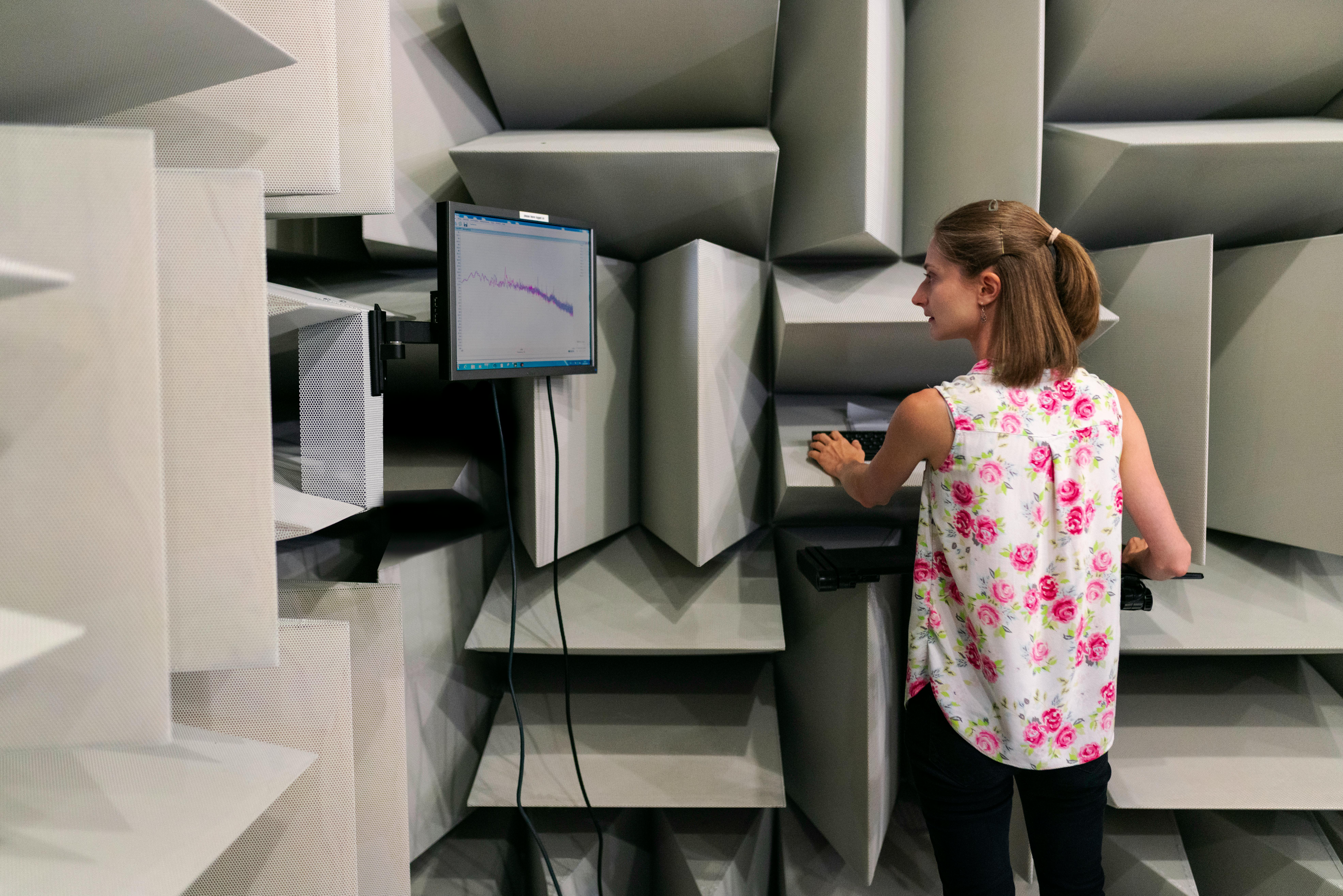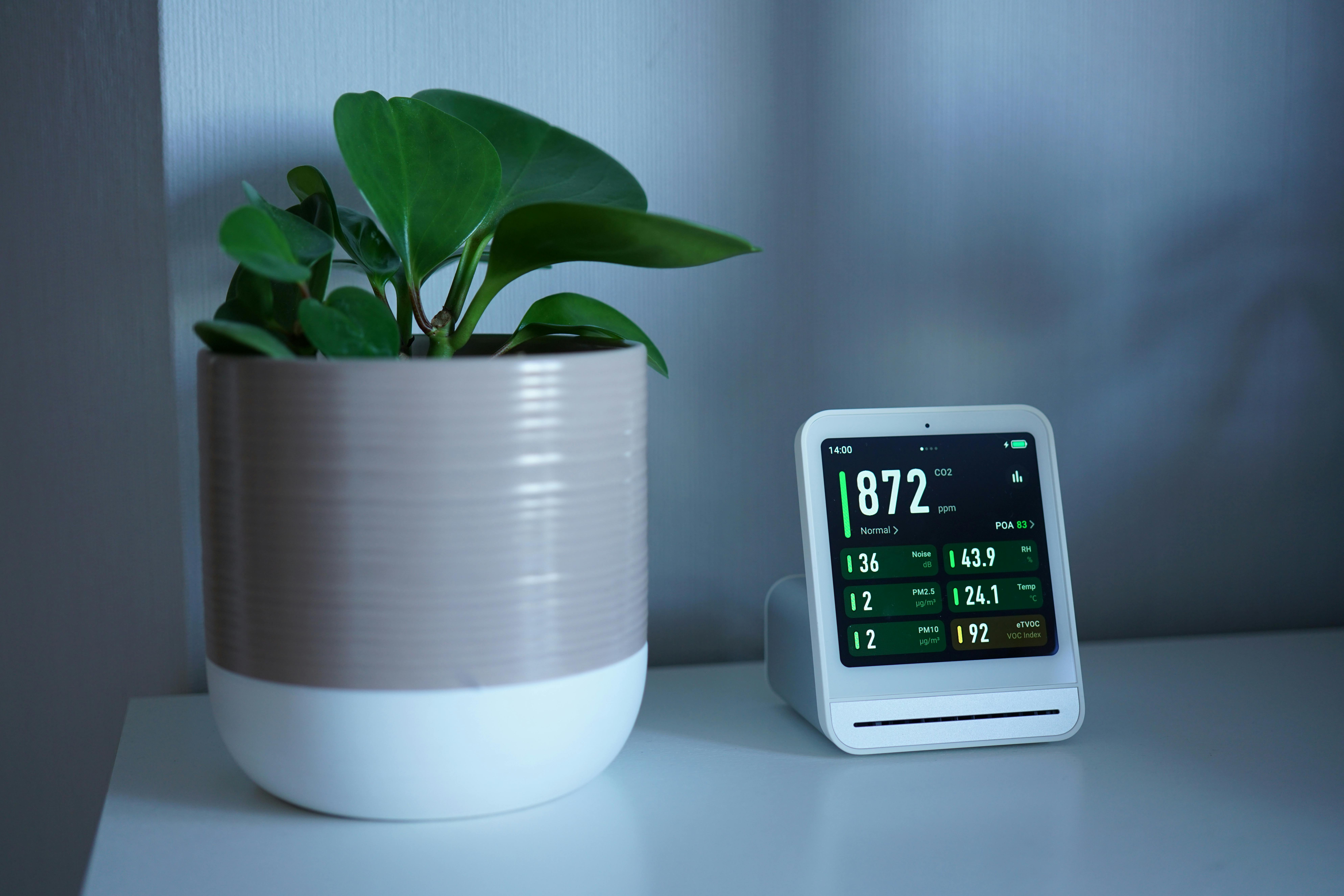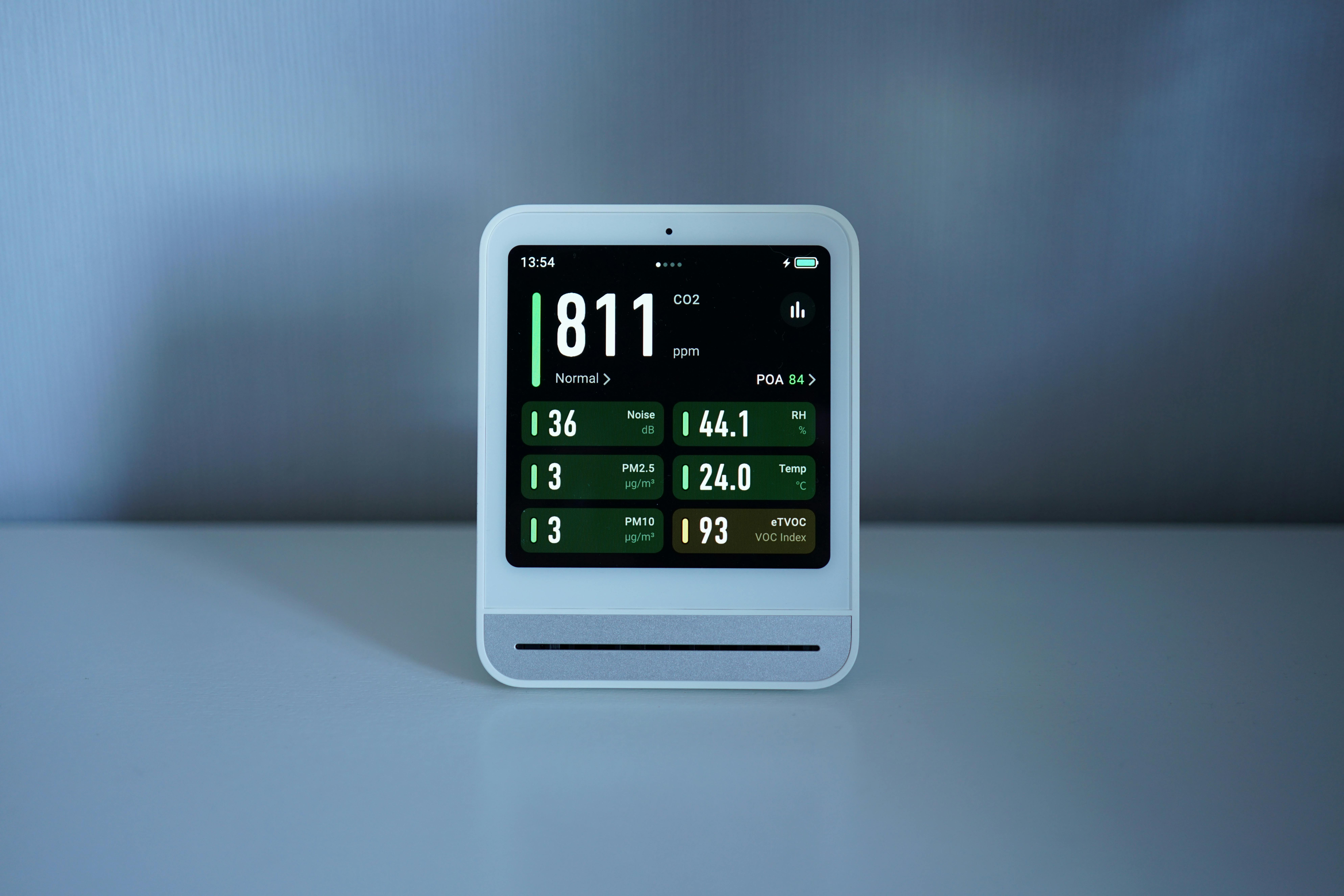
Bio-sensor integration is transforming how we monitor, analyze, and protect our environment, creating unprecedented opportunities for real-time data collection and sustainable decision-making.

🌍 The Intersection of Biology and Technology in Environmental Monitoring
Environmental challenges have reached a critical point where traditional monitoring methods simply cannot keep pace with the speed and complexity of ecological changes. Bio-sensors represent a breakthrough fusion of biological recognition elements with electronic transducers, creating devices capable of detecting specific environmental parameters with remarkable sensitivity and precision.
These innovative tools leverage biological components such as enzymes, antibodies, microorganisms, or even whole cells to identify target substances in environmental samples. When combined with advanced electronics and data processing capabilities, bio-sensors deliver real-time information about pollution levels, pathogen presence, and ecosystem health indicators that were previously difficult or impossible to measure continuously.
The integration of bio-sensor technology into environmental management systems has opened new frontiers in sustainability efforts. From water quality monitoring in remote locations to air pollution detection in urban centers, these devices are revolutionizing our approach to environmental protection and resource management.
Understanding Bio-Sensor Architecture and Functionality
Bio-sensors operate through a sophisticated yet elegant mechanism that converts biological responses into measurable electronic signals. The basic architecture consists of three primary components working in seamless harmony: the biological recognition element, the transducer, and the signal processing system.
The biological recognition component serves as the sensor’s “nose” or “taste buds,” selectively binding to target molecules in the environment. This specificity is what gives bio-sensors their remarkable accuracy compared to traditional chemical sensors. The biological element might be an enzyme that catalyzes a specific reaction, an antibody that binds to a particular antigen, or even DNA sequences that recognize complementary genetic material.
Key Components Driving Bio-Sensor Performance
The transducer component acts as a translator, converting the biological recognition event into a quantifiable signal. Different types of transducers exist depending on the application requirements:
- Electrochemical transducers measure changes in electrical properties like current, potential, or impedance
- Optical transducers detect changes in light absorption, fluorescence, or refractive index
- Piezoelectric transducers measure mass changes on crystal surfaces
- Thermal transducers monitor temperature variations resulting from biological reactions
- Magnetic transducers detect changes in magnetic properties near the sensing surface
The signal processing system amplifies, filters, and converts the transducer output into readable data that can be displayed, stored, or transmitted for further analysis. Modern bio-sensors often incorporate wireless connectivity and cloud computing capabilities, enabling real-time monitoring across vast geographical areas.
🚰 Water Quality Monitoring Through Bio-Sensor Networks
Water pollution remains one of the most pressing environmental challenges globally, affecting billions of people and countless ecosystems. Bio-sensor technology has revolutionized water quality assessment by providing continuous, real-time monitoring capabilities that traditional laboratory analysis cannot match.
Conventional water testing requires sample collection, transportation to laboratories, and time-consuming analysis procedures that may take days or weeks. By the time results are available, contamination events may have already caused significant harm. Bio-sensors deployed in water bodies provide immediate alerts when pollutant levels exceed safe thresholds, enabling rapid response to contamination events.
Microbial bio-sensors utilizing bacteria or algae have proven particularly effective for detecting toxic substances in water. These living organisms respond to harmful chemicals by producing measurable changes in their metabolic activity, bioluminescence, or electrical properties. Such sensors can detect heavy metals, pesticides, pharmaceutical residues, and endocrine-disrupting compounds at concentrations far below those detectable by conventional methods.
Applications Across Different Water Systems
Bio-sensor networks are transforming water management across multiple sectors. In municipal water treatment facilities, enzyme-based sensors continuously monitor chlorine levels, pH variations, and organic contamination throughout the treatment process. These systems ensure water safety while optimizing chemical usage and energy consumption.
Agricultural water management has benefited tremendously from bio-sensor integration. Farmers can now monitor nutrient levels, pesticide runoff, and pathogen presence in irrigation water with portable or permanently installed sensor systems. This information enables precision agriculture practices that reduce chemical inputs while maintaining crop productivity.
Industrial facilities use bio-sensor arrays to monitor wastewater discharge, ensuring compliance with environmental regulations while identifying opportunities to recover valuable materials from waste streams. The real-time nature of bio-sensor data allows operators to adjust processes immediately when discharge parameters approach regulatory limits.
Atmospheric Monitoring and Air Quality Management 🌬️
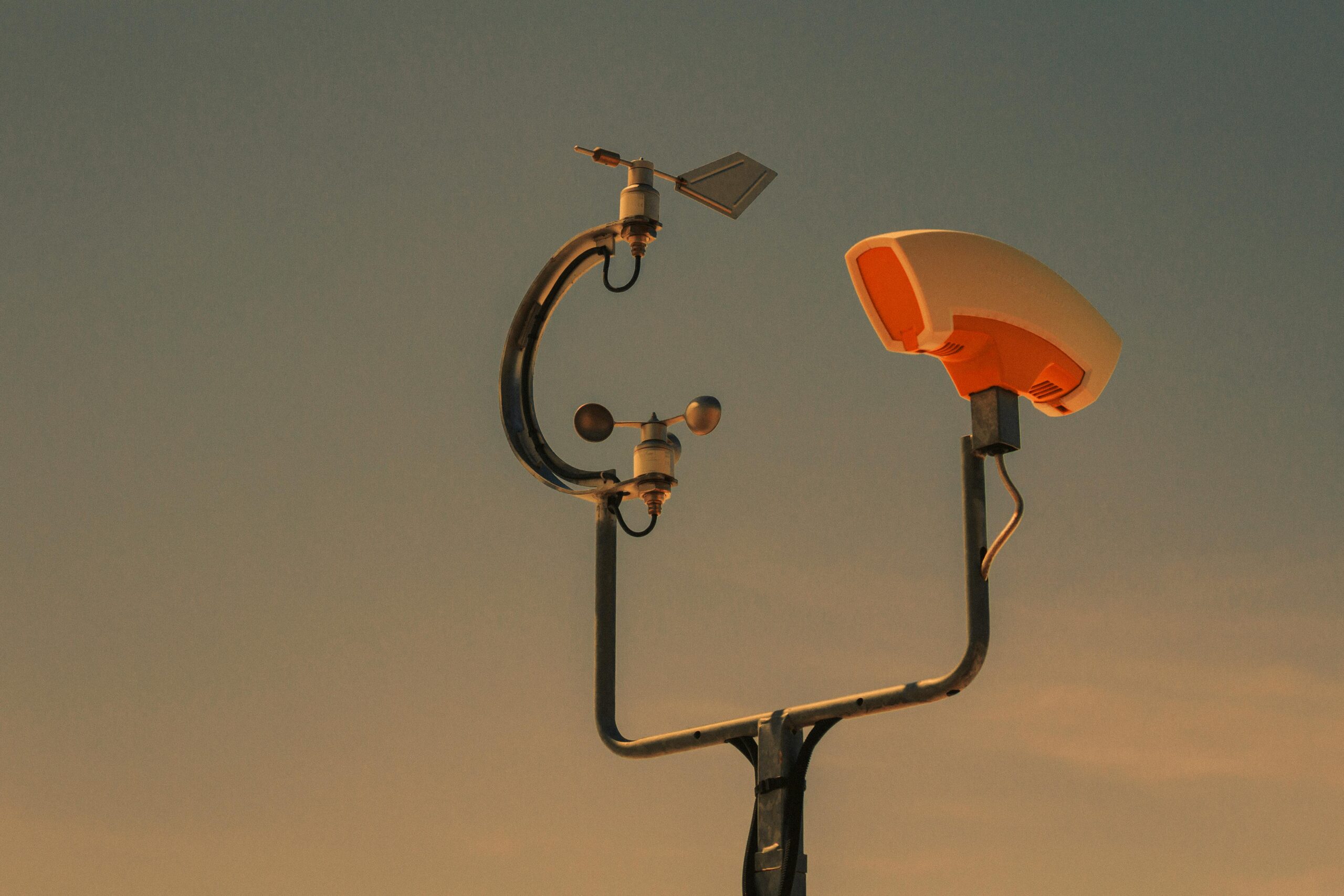
Air pollution kills millions of people annually and contributes significantly to climate change and ecosystem degradation. Bio-sensors are emerging as powerful tools for monitoring atmospheric composition with unprecedented spatial and temporal resolution.
Traditional air quality monitoring relies on expensive stationary equipment located at sparse intervals across urban areas, creating significant gaps in coverage. Bio-sensor technology enables the deployment of dense monitoring networks that capture pollution variations at the neighborhood or even street level, revealing exposure patterns that broad-scale monitoring misses entirely.
Electrochemical bio-sensors detecting gases like nitrogen dioxide, ozone, carbon monoxide, and volatile organic compounds have become sufficiently miniaturized and cost-effective to enable citizen science initiatives. Individuals can now participate in air quality monitoring by carrying personal sensors or installing them at their homes, contributing to comprehensive pollution mapping efforts.
Biological Air Quality Indicators
Some bio-sensors utilize living organisms as sensing elements for atmospheric monitoring. Lichen-based sensors, for example, respond to sulfur dioxide and other acidic pollutants through measurable changes in their physiological processes. Plant-based sensors can detect ozone damage through specific biomarkers that appear in leaf tissues.
These biological indicators provide information about cumulative pollution effects rather than instantaneous concentrations, offering valuable insights into long-term environmental impacts that short-term measurements might miss. When combined with conventional sensors, biological indicators create comprehensive air quality assessment systems.
Soil Health Assessment and Agricultural Sustainability
Healthy soil forms the foundation of terrestrial ecosystems and agricultural productivity, yet soil degradation continues at alarming rates worldwide. Bio-sensors are revolutionizing our ability to assess and manage soil health through rapid, on-site analysis of critical parameters.
Microbial bio-sensors can detect soil contaminants including heavy metals, petroleum hydrocarbons, pesticide residues, and emerging pollutants like microplastics. These sensors utilize soil microorganisms or isolated enzymes that respond specifically to target compounds, generating measurable signals proportional to contamination levels.
Nutrient monitoring represents another crucial application for soil bio-sensors. Enzyme-based sensors can measure nitrogen, phosphorus, and potassium availability in real-time, enabling precision fertilizer application that matches crop needs while minimizing environmental impacts from excess nutrient runoff.
Advancing Sustainable Agriculture Practices
The integration of bio-sensor technology into agricultural management systems supports the transition toward regenerative farming practices. Continuous soil monitoring data helps farmers understand how different management practices affect soil biological activity, organic matter accumulation, and overall ecosystem function.
Bio-sensor arrays embedded in agricultural fields can create detailed spatial maps of soil properties, revealing within-field variations that justify variable rate application of inputs. This precision approach reduces costs for farmers while minimizing environmental impacts from agricultural chemicals.
🦠 Pathogen Detection and Ecosystem Health Monitoring
Rapid identification of pathogenic microorganisms in environmental samples is critical for protecting public health and maintaining ecosystem integrity. Bio-sensors based on antibody recognition or nucleic acid hybridization can detect specific bacteria, viruses, or parasites with sensitivity and specificity that rival laboratory-based molecular methods.
Beach monitoring programs increasingly rely on bio-sensors to detect fecal contamination indicators like E. coli and enterococci in recreational waters. Traditional culture-based methods require 24-48 hours for results, forcing officials to make beach closure decisions based on yesterday’s data. Bio-sensors provide results within minutes or hours, enabling same-day decision-making that better protects public health.
Wildlife disease surveillance benefits enormously from portable bio-sensor technology. Researchers can now test animal samples in the field for pathogens like avian influenza, chronic wasting disease, or emerging zoonotic threats without the delays and expenses associated with laboratory analysis. This rapid detection capability is crucial for containing disease outbreaks before they spread widely.
Integration with Internet of Things and Big Data Analytics
The true power of bio-sensor technology emerges when individual devices are connected into networked systems that leverage Internet of Things infrastructure and advanced data analytics. These integrated systems transform raw sensor data into actionable intelligence for environmental management.
Modern bio-sensor networks transmit data wirelessly to cloud-based platforms where machine learning algorithms identify patterns, predict trends, and generate alerts when conditions require human intervention. This automation enables continuous environmental monitoring at scales that would be impossible with manual data collection and analysis.
Creating Smart Environmental Management Systems
Cities are deploying integrated bio-sensor networks that monitor air quality, water systems, and urban green spaces simultaneously, creating comprehensive environmental management platforms. These smart city initiatives optimize resource allocation, identify emerging problems before they become crises, and provide citizens with transparent information about environmental conditions in their communities.
The combination of bio-sensor data with satellite imagery, weather forecasts, and socioeconomic information enables sophisticated environmental modeling. These models help policymakers evaluate the potential impacts of proposed developments, assess the effectiveness of pollution control measures, and plan adaptation strategies for climate change.
Overcoming Challenges in Bio-Sensor Deployment 🔧
Despite their tremendous potential, bio-sensor technologies face several challenges that must be addressed to achieve widespread adoption in environmental monitoring applications. Understanding these limitations is essential for developing realistic implementation strategies.
Biological components inherently have limited stability compared to purely electronic sensors. Enzymes can denature, antibodies can degrade, and living cells can die when exposed to harsh environmental conditions. Researchers are developing stabilization techniques including encapsulation, chemical modification, and genetic engineering to extend bio-sensor lifetimes, but many systems still require periodic replacement or recalibration.
Fouling presents another significant challenge, particularly for sensors deployed in aquatic environments. Biofilm formation on sensor surfaces can interfere with target detection and alter signal responses. Anti-fouling coatings, automated cleaning systems, and self-regenerating sensor designs help mitigate this problem but add complexity and cost to deployment.
Addressing Cost and Scalability Concerns
While bio-sensor costs have decreased dramatically, deploying and maintaining extensive monitoring networks still requires substantial investment. Balancing sensor density against budget constraints remains a key challenge for environmental agencies and organizations implementing bio-sensor programs.
Standardization and quality assurance protocols need further development to ensure data comparability across different sensor types and manufacturers. The environmental monitoring community is working to establish performance standards and validation procedures that will increase confidence in bio-sensor data and facilitate regulatory acceptance.
Future Horizons in Environmental Bio-Sensing Technology
Ongoing research and development promise to expand bio-sensor capabilities far beyond current limitations. Several emerging technologies are poised to transform environmental monitoring in the coming years.
Nanotechnology is enabling the development of ultra-sensitive bio-sensors that can detect individual molecules or cells. Nanomaterial-enhanced sensors offer improved performance in terms of sensitivity, response time, and selectivity while enabling further miniaturization. Carbon nanotubes, graphene, and quantum dots are being integrated into bio-sensor designs with remarkable results.
Synthetic biology approaches are creating engineered organisms with customized sensing capabilities. Researchers can now program bacteria to respond to specific environmental conditions by producing easily detectable signals. These “whole-cell biosensors” can detect complex mixtures of pollutants and assess overall toxicity rather than measuring individual compounds.
Wearable and Personal Environmental Monitors
The convergence of bio-sensor technology with wearable electronics is creating personal environmental exposure monitoring devices. These sensors track individual exposure to pollutants throughout daily activities, revealing patterns that population-level monitoring misses. Such personalized data empowers individuals to make informed decisions about minimizing their environmental health risks.
Implantable bio-sensors represent an even more advanced application, potentially enabling continuous monitoring of how environmental exposures affect human physiology. While ethical and practical considerations must be carefully addressed, such technologies could revolutionize environmental health research and protection.
💡 Empowering Environmental Action Through Bio-Sensor Data
The ultimate value of bio-sensor technology lies not in the devices themselves but in how the information they provide drives positive environmental outcomes. Democratizing access to environmental data empowers communities, informs policy decisions, and catalyzes collective action toward sustainability.
Community-based monitoring programs equipped with bio-sensors give citizens the tools to document environmental conditions in their neighborhoods and advocate for improvements. This participatory approach to environmental monitoring builds environmental literacy, strengthens civic engagement, and ensures that monitoring priorities reflect community concerns.
Transparent sharing of bio-sensor data through open platforms enables researchers, policymakers, and the public to collaborate in identifying solutions to environmental challenges. Visualization tools that translate complex sensor data into intuitive displays help bridge the gap between technical information and public understanding.
The Path Forward: Integration, Innovation, and Impact
Bio-sensor integration in environmental technology represents far more than incremental improvement in monitoring capabilities—it fundamentally transforms our relationship with the environment. By providing real-time, high-resolution data about ecosystem health and human impacts, these technologies enable adaptive management approaches that respond dynamically to changing conditions.
Success requires continued investment in research and development to improve sensor performance, reduce costs, and expand measurement capabilities. Equally important is building the institutional capacity to effectively utilize bio-sensor data in decision-making processes. Training programs, standardized protocols, and data management infrastructure must keep pace with technological advances.
Cross-sector collaboration will be essential for realizing the full potential of bio-sensor technology in environmental applications. Partnerships between technology developers, environmental scientists, regulatory agencies, community organizations, and private sector innovators can accelerate deployment while ensuring that implementation addresses real-world needs and priorities.
As climate change, pollution, and biodiversity loss continue threatening planetary health, bio-sensor integration offers powerful tools for understanding and addressing these challenges. The revolution in environmental monitoring is not just about better data—it’s about creating the knowledge foundation for a truly sustainable future where human activities exist in balance with the natural systems that support all life. 🌱