Air monitoring is essential for protecting public health, workplace safety, and environmental integrity. Understanding precise sensor placement ensures reliable data collection and actionable insights.

🎯 Why Precision Placement Makes All the Difference
The accuracy of air quality measurements depends heavily on where monitoring devices are positioned. A sensor placed too close to a ventilation system might record artificially clean air, while one near a loading dock could show exaggerated pollution levels. Neither scenario provides the representative data needed for informed decision-making.
Environmental scientists and safety professionals recognize that strategic sensor placement can mean the difference between detecting harmful contaminants early and missing critical exposure events entirely. The spatial distribution of pollutants varies dramatically across indoor and outdoor environments, influenced by air currents, temperature gradients, emission sources, and physical barriers.
Organizations that master placement strategies gain competitive advantages through improved compliance, reduced liability, and enhanced occupational health programs. Whether monitoring particulate matter in manufacturing facilities, volatile organic compounds in laboratories, or outdoor air quality in urban areas, precision placement forms the foundation of credible monitoring programs.
Understanding Air Flow Dynamics Before Placement
Before installing any monitoring equipment, comprehensive airflow analysis is crucial. Air behaves as a fluid, following predictable patterns while responding to environmental variables. Indoor spaces exhibit distinct circulation patterns based on HVAC system design, room geometry, occupancy levels, and heat-generating equipment.
Outdoor monitoring requires understanding meteorological factors including prevailing wind directions, seasonal variations, topographical influences, and urban canyon effects. Buildings create turbulence zones and wake regions where pollutants accumulate or disperse unpredictably.
Conducting Preliminary Airflow Assessments
Professional airflow mapping involves multiple techniques. Smoke tests visualize air movement patterns, revealing dead zones and high-velocity corridors. Tracer gas studies quantify ventilation rates and mixing efficiency. Computational fluid dynamics modeling predicts airflow behavior under various conditions.
For smaller-scale applications, simple observations provide valuable insights. Watch steam from hot beverages, note dust particle movement in sunlight beams, and observe how papers flutter near vents. These basic observations help identify primary circulation patterns.
Critical Factors Influencing Sensor Location Selection
Multiple variables must align for optimal sensor placement. Monitoring objectives drive location choices—personal exposure assessment requires different positioning than perimeter monitoring or source characterization. Each application demands tailored placement strategies aligned with specific data collection goals.
Height Considerations and Breathing Zone Monitoring
For occupational exposure assessment, sensors should capture air quality at breathing zone height, typically 1.2 to 1.8 meters above floor level. This represents where workers actually inhale air during normal activities. Contaminants often stratify by density—heavier-than-air compounds settle near floors, while lighter gases rise toward ceilings.
Industrial hygienists frequently employ personal sampling devices worn by workers, complemented by area monitors at strategic fixed locations. This dual approach captures both general environmental conditions and individual exposure profiles.
Distance from Emission Sources
Positioning relative to pollution sources critically affects measurements. Near-field monitoring close to emission points characterizes source strength and immediate impacts. Far-field monitoring at greater distances assesses dispersed concentrations and community exposure levels.
Regulatory guidelines often specify minimum separation distances. For ambient air quality monitoring, stations should be positioned at least 20 meters from roadways for neighborhood-scale assessment, or 2-10 meters for roadside characterization. These specifications prevent localized phenomena from skewing results intended to represent broader areas.
Avoiding Interference and Contamination
Monitor placement must prevent artificial contamination that compromises data integrity. Avoid positioning sensors directly adjacent to exhaust pipes, loading areas, smoking zones, or chemical storage locations unless specifically characterizing those sources.
Physical obstructions create measurement artifacts. Don’t place sensors behind barriers that block airflow or create sheltered microclimates. Ensure adequate clearance from walls, equipment, and vegetation that might trap or deflect pollutants.
🏭 Industry-Specific Placement Strategies
Different environments demand specialized approaches to sensor positioning. Manufacturing facilities, office buildings, healthcare settings, and outdoor urban areas each present unique challenges requiring adapted strategies.
Manufacturing and Industrial Facilities
Industrial environments feature multiple emission sources, complex ventilation systems, and varied work zones. Comprehensive monitoring programs typically establish a network of sensors covering production areas, storage zones, and worker break areas.
Priority locations include:
- Near high-risk processes like welding stations, paint booths, and chemical mixing areas
- At ventilation system return air intakes to assess overall building air quality
- In confined spaces before entry and during occupancy
- Along property boundaries for fence-line monitoring compliance
- In maintenance areas where equipment repair generates temporary emissions
Rotating monitors through secondary locations supplements fixed primary stations, providing broader coverage without excessive equipment investment. This hybrid approach balances comprehensive assessment with budget constraints.
Commercial Office Buildings
Modern office buildings present indoor air quality challenges including inadequate ventilation, off-gassing from furnishings, bioaerosol accumulation, and carbon dioxide buildup from high occupancy. Strategic monitoring identifies problem areas and validates HVAC system performance.
Effective placement targets common areas with high occupant density, poorly ventilated interior spaces, areas with known moisture issues, and locations near fresh air intakes. Placing monitors near thermostats provides data correlating air quality with HVAC operation cycles.
Healthcare and Laboratory Settings
Healthcare facilities require rigorous air quality control to protect vulnerable populations and prevent contamination. Negative pressure isolation rooms, operating theaters, and pharmaceutical compounding areas demand continuous monitoring with strategically placed sensors.
Laboratory environments pose unique risks from chemical reagents, biological agents, and specialized equipment. Fume hood face monitoring, general laboratory air assessment, and chemical storage area surveillance form comprehensive monitoring programs.
📊 Developing Your Monitoring Network Architecture
Single monitors rarely provide adequate coverage for meaningful air quality assessment. Network design determines how many sensors to deploy, where to position them, and how to integrate data streams for comprehensive understanding.
Calculating Optimal Sensor Density
Determining appropriate sensor quantities balances coverage requirements with practical constraints. Large, homogeneous spaces may need fewer monitors, while complex environments with multiple microenvironments require denser networks.
General guidance suggests one monitor per 1,000-2,500 square meters for basic coverage in relatively uniform spaces. High-risk areas or environments with significant spatial variability may require one sensor per 250-500 square meters.
Statistical approaches using geostatistical methods help optimize network design. These techniques analyze pilot monitoring data to identify spatial correlation patterns, guiding efficient sensor placement that maximizes information while minimizing redundancy.
Creating Monitoring Zones
Dividing facilities into monitoring zones simplifies network management and data interpretation. Zones reflect functional areas, ventilation systems serving distinct spaces, or regions with similar pollution profiles.
Zone-based monitoring allows targeted investigations when problems arise. If one zone shows elevated readings, focused troubleshooting within that area identifies root causes more efficiently than facility-wide searches.
Technical Installation Best Practices
Proper physical installation ensures sensors function correctly and produce reliable measurements. Mounting hardware, power supply considerations, data connectivity, and maintenance access all influence long-term monitoring success.
Mounting Methods and Stability
Secure mounting prevents sensor movement that could alter measurement characteristics. Wall-mounted installations work well for permanent monitoring stations in controlled environments. Tripod-mounted sensors offer flexibility for temporary studies or rotating monitoring programs.
Ensure mounting locations won’t interfere with normal operations. Sensors at eye level in high-traffic areas risk accidental contact. Overhead mounting protects equipment but may complicate maintenance activities.
Environmental Protection
Outdoor monitors require weatherproof enclosures protecting against precipitation, temperature extremes, UV radiation, and physical damage. Shelters should not impede airflow to sensor inlets—louvered designs promote circulation while excluding rain.
Indoor sensors need protection from accidental impacts, excessive dust accumulation, and temperature extremes near heating or cooling equipment. Regular cleaning schedules maintain sensor performance by preventing filter clogging and optical surface contamination.
🔄 Validation and Calibration Considerations
Even perfectly positioned sensors produce unreliable data without proper calibration and validation. Quality assurance programs ensure monitoring equipment maintains accuracy throughout deployment periods.
Initial Validation Testing
Before finalizing placement decisions, conduct side-by-side comparisons of multiple sensors at proposed locations. This validates that spatial variations reflect true environmental differences rather than instrument inconsistencies.
Collocated testing with reference-grade instruments establishes baseline accuracy. Portable laboratory analyzers or certified reference monitors provide traceable standards for field instrument validation.
Ongoing Calibration Schedules
Sensor performance drifts over time due to component aging, contamination, and environmental stress. Establish regular calibration intervals based on manufacturer recommendations, typically ranging from monthly to annually depending on sensor technology and application rigor.
Automated calibration systems using zero air and span gases maintain accuracy with minimal manual intervention. For sensor networks, rotating instruments through central calibration facilities ensures consistent performance across all monitoring locations.
Data Interpretation Through Spatial Context
Understanding where data originates proves as important as the measurements themselves. Spatial context transforms raw numbers into actionable intelligence guiding exposure reduction and compliance verification.
Identifying Spatial Patterns and Hotspots
Multi-point monitoring reveals concentration gradients and accumulation zones. Heat maps and contour plots visualize spatial distributions, highlighting areas requiring intervention. Temporal analysis showing how patterns change throughout work shifts or seasonal cycles provides additional insights.
Advanced analytics including machine learning algorithms detect subtle patterns human observers might miss. These tools correlate air quality variations with operational parameters, occupancy patterns, and meteorological conditions.
Refining Placement Based on Results
Initial monitoring data informs placement refinement. If all sensors show consistently similar readings, coverage may be redundant—consider reducing density or relocating monitors to under-characterized areas. Conversely, unexpected spatial variability suggests additional monitoring points would improve understanding.
Adaptive monitoring strategies evolve placement schemes based on accumulating evidence. This iterative approach progressively optimizes networks for specific facility characteristics and monitoring objectives.
💡 Leveraging Technology for Placement Optimization
Modern technologies enhance placement strategy development and implementation. Mobile monitoring, sensor networks, and modeling tools provide capabilities unavailable in traditional approaches.
Mobile and Portable Monitoring Solutions
Handheld and portable monitors enable rapid spatial surveys identifying concentration patterns before committing to fixed installations. Mobile monitoring campaigns covering entire facilities in systematic grids generate detailed spatial datasets informing permanent sensor placement.
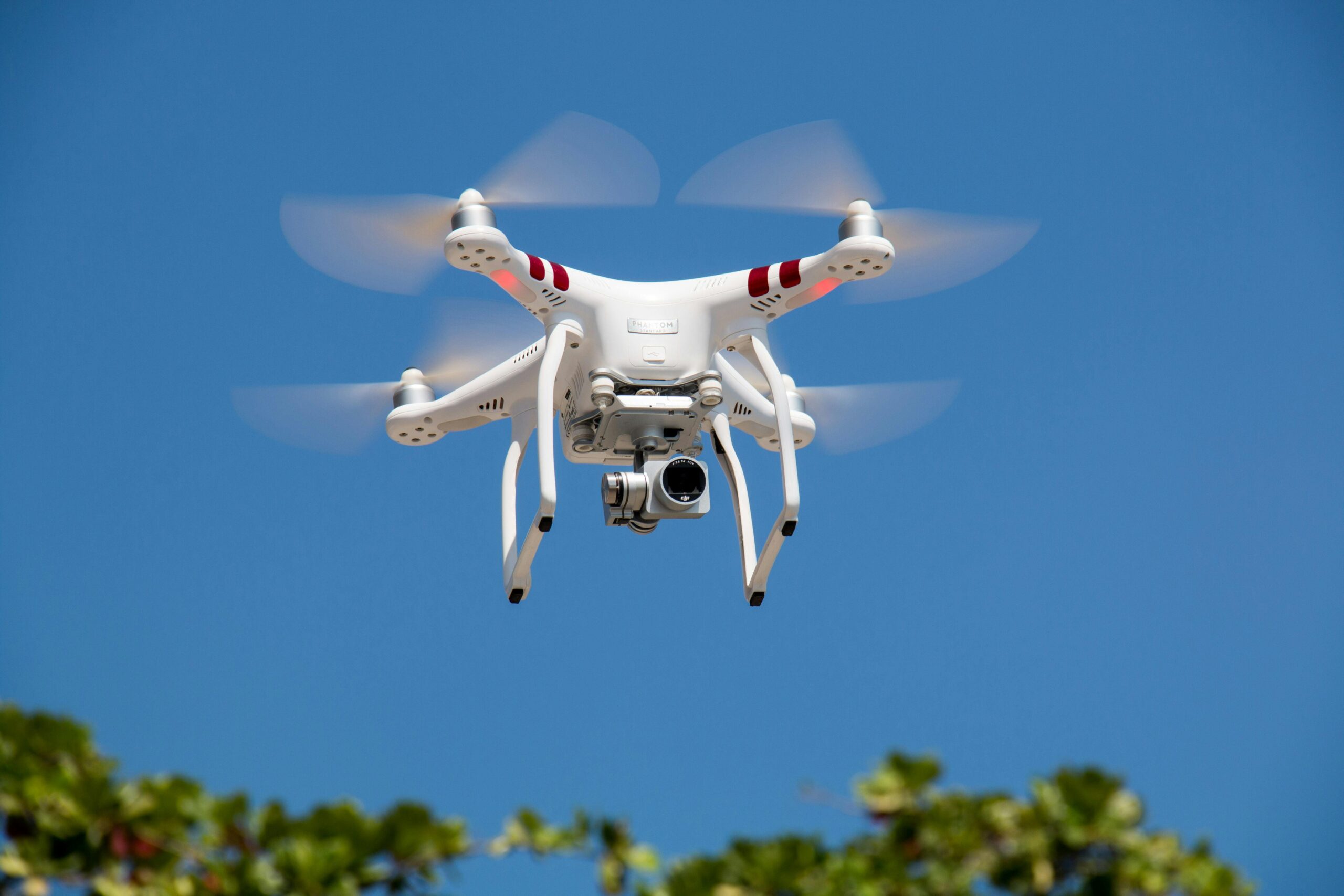
Drone-mounted sensors access difficult locations including roof levels, tall structures, and hazardous areas. This emerging capability expands monitoring possibilities while reducing personnel risk exposure.
Wireless Sensor Networks
Internet-enabled monitors with wireless connectivity simplify network expansion and reconfiguration. Battery-powered sensors eliminate electrical infrastructure requirements, enabling placement in locations previously impractical for monitoring.
Cloud-based data platforms aggregate information from distributed sensors, providing unified dashboards and automated alerting. These systems democratize sophisticated monitoring capabilities, making comprehensive programs accessible to organizations of all sizes.
🎓 Training Teams for Effective Implementation
Technical equipment alone doesn’t ensure successful monitoring programs. Personnel understanding placement principles, operational procedures, and data interpretation requirements prove essential for long-term success.
Comprehensive training programs should cover fundamental air quality concepts, specific equipment operation, troubleshooting procedures, and data management protocols. Hands-on exercises during actual placement activities build practical skills beyond theoretical knowledge.
Cross-training multiple team members creates redundancy preventing program disruption during personnel changes. Documentation including placement rationales, calibration histories, and configuration details preserves institutional knowledge.
Regulatory Compliance and Documentation Requirements
Many monitoring programs operate under regulatory frameworks specifying placement criteria, quality assurance protocols, and reporting obligations. Understanding applicable requirements prevents compliance deficiencies and enforcement actions.
Documentation demonstrating site selection rationale, adherence to technical specifications, and quality control measures satisfies regulatory scrutiny. Detailed records including photographs, site diagrams, validation data, and maintenance logs support defensible monitoring programs.
Proactive engagement with regulatory agencies during planning phases clarifies expectations and prevents costly redesigns. Agencies often provide technical guidance and may conduct site visits confirming proper implementation.
Maximizing Return on Investment in Air Monitoring
Strategic placement directly influences monitoring program value. Well-positioned sensors capture representative data enabling confident decisions. Poorly placed equipment wastes resources producing questionable results that decision-makers rightfully distrust.
Cost-benefit analysis should consider not only equipment and installation expenses but also data value for exposure reduction, compliance demonstration, and liability protection. The marginal cost of additional sensors often proves trivial compared to potential benefits from improved spatial coverage.
Scalable approaches allow programs to start modestly and expand as budgets permit and needs evolve. Beginning with carefully selected primary locations and gradually adding secondary monitoring points balances immediate constraints with long-term objectives.
🌍 Future-Proofing Your Monitoring Strategy
Air quality monitoring continues evolving with emerging sensor technologies, analytical methods, and regulatory expectations. Building flexibility into placement strategies accommodates future adaptations without requiring complete program redesigns.
Modular network architectures facilitate component upgrades and expansions. Standardized mounting systems enable sensor replacement without infrastructure modifications. Open-data formats ensure compatibility with evolving analytical tools and reporting platforms.
Staying informed about technological advances, industry best practices, and regulatory developments positions organizations to adopt improvements maintaining program relevance and effectiveness over time.
Transforming Monitoring Data Into Meaningful Action
Ultimately, monitoring programs exist not to generate data but to drive improvements protecting human health and environmental quality. Precision placement strategies ensure collected information accurately represents conditions requiring management attention.
Effective programs integrate monitoring results into broader environmental health and safety initiatives. Data informs ventilation system optimization, process modifications reducing emissions, work practice improvements limiting exposure, and emergency response procedures addressing acute incidents.
Communicating results to stakeholders including workers, management, regulators, and surrounding communities builds trust and demonstrates organizational commitment to responsible environmental stewardship. Transparent sharing of air quality information, including placement rationales and data limitations, enhances credibility.
The art of precision air monitoring placement combines technical expertise, practical experience, and continuous improvement mindsets. Organizations mastering these principles transform monitoring from compliance obligation into strategic asset driving operational excellence and competitive advantage. Whether protecting worker health, ensuring regulatory compliance, or demonstrating environmental responsibility, strategic sensor placement provides the foundation for credible, defensible, and actionable air quality programs.