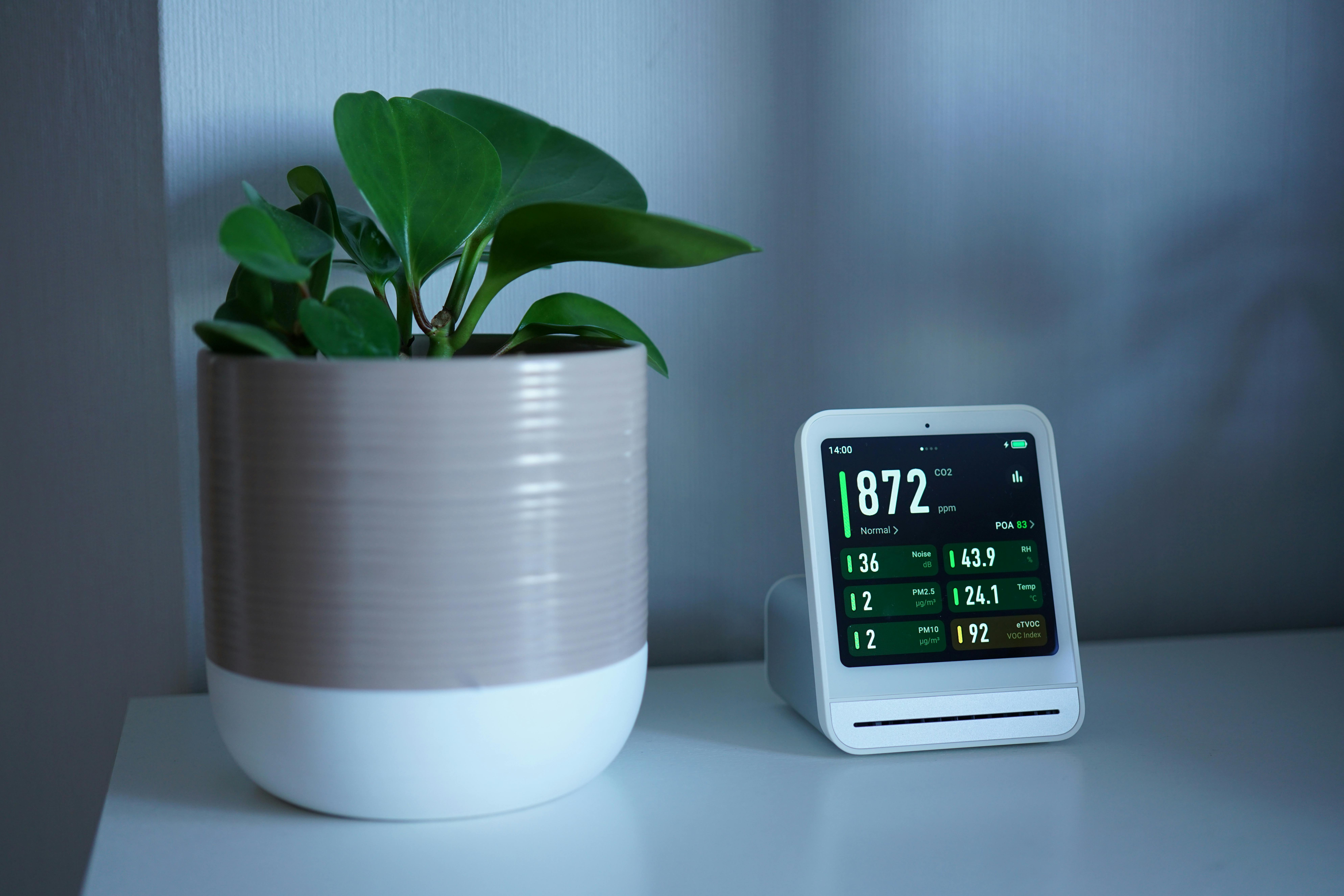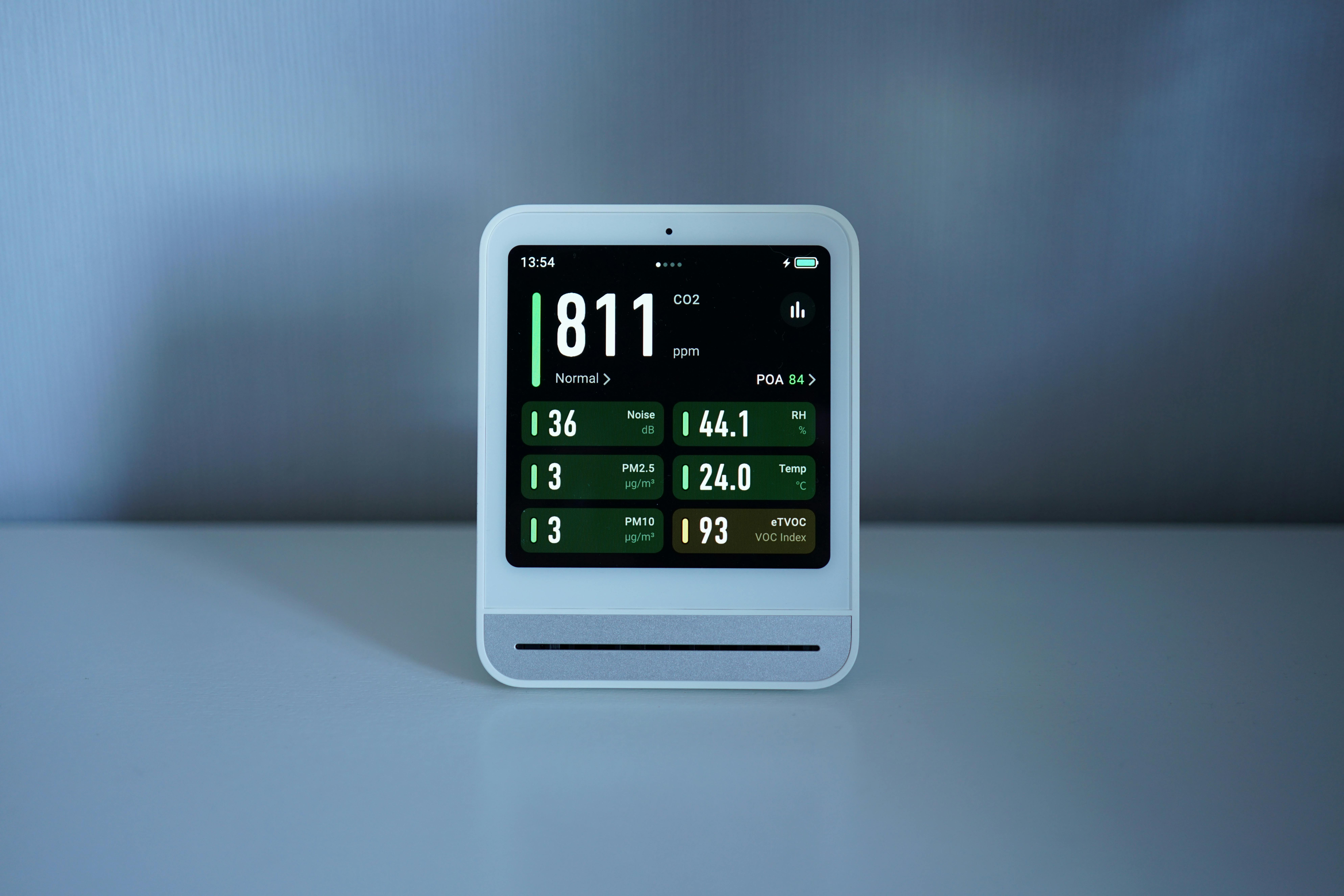
Modern air-quality monitoring has become essential for maintaining healthy indoor environments, but understanding cross-sensitivity in sensors can make all the difference.

🌬️ Understanding the Hidden Challenge in Air Quality Monitoring
When you invest in an air-quality module for your home, you expect accurate readings that reflect the true state of your indoor environment. However, there’s a sophisticated technical challenge that often goes unnoticed: cross-sensitivity. This phenomenon occurs when sensors designed to detect specific pollutants inadvertently react to other substances in the air, creating misleading data that can impact your health decisions.
Cross-sensitivity represents one of the most significant obstacles in achieving reliable air-quality measurements. Gas sensors, particularly those using metal-oxide semiconductor technology, are inherently susceptible to interference from compounds they weren’t designed to detect. This means your carbon monoxide sensor might react to alcohol vapors, or your volatile organic compound detector could spike when you’re simply cooking dinner.
The Science Behind Sensor Cross-Reactivity
Air-quality sensors operate on various principles, each with unique strengths and vulnerabilities. Metal-oxide sensors, the most common type in residential modules, work by measuring changes in electrical resistance when target gases interact with a heated sensing element. The challenge emerges because many different gases can trigger similar resistance changes.
Electrochemical sensors, another popular option, measure electrical current generated by chemical reactions at electrode surfaces. While typically more selective than metal-oxide variants, they still experience interference from gases with similar electrochemical properties. Understanding these mechanisms helps explain why a single sensor reading rarely tells the complete story.
Common Cross-Sensitivity Patterns to Watch For
Different sensor types exhibit predictable cross-sensitivity patterns. Carbon monoxide sensors frequently respond to hydrogen and certain hydrocarbons. Nitrogen dioxide sensors may react to chlorine and ozone. Volatile organic compound sensors often show elevated readings in the presence of humidity changes, alcohol vapors, and cleaning products.
Temperature and humidity create their own cross-sensitivity challenges. Many sensors experience baseline drift as environmental conditions change, making it difficult to distinguish genuine pollution events from environmental fluctuations. This is particularly problematic in homes where cooking, showering, and seasonal changes create constant environmental variability.
🏠 Real-World Implications for Your Home Environment
The practical impact of cross-sensitivity extends beyond technical accuracy—it affects your daily health decisions. Imagine receiving an alert about elevated volatile organic compounds while baking bread. The ethanol released during fermentation triggers your sensor, creating unnecessary alarm. Or consider false carbon monoxide readings when using alcohol-based cleaners, potentially leading to complacency when real danger emerges.
These scenarios highlight why understanding cross-sensitivity matters for homeowners. You need to interpret sensor data within context, recognizing when readings reflect genuine threats versus benign household activities. This knowledge empowers better decision-making about ventilation, air purification, and when to investigate potential problems more thoroughly.
Identifying False Positives in Daily Life
Learning to recognize false positives transforms how you use air-quality monitoring systems. Consider these common household activities that trigger sensors without indicating actual air-quality problems:
- Cooking with gas appliances or high-temperature frying
- Using alcohol-based cleaning products or hand sanitizers
- Applying nail polish, perfumes, or aerosol sprays
- Running humidifiers or experiencing rapid humidity changes
- Opening windows during high-pollen seasons
- Burning candles or incense
Each activity releases compounds that may trigger multiple sensors simultaneously. The key is recognizing temporal patterns—if readings spike immediately after specific activities and return to baseline quickly, you’re likely observing cross-sensitivity rather than persistent pollution.
Selecting Air-Quality Modules with Better Specificity
Not all air-quality modules handle cross-sensitivity equally. Advanced devices incorporate multiple sensor types, using algorithmic comparison to filter out false readings. When sensors disagree, sophisticated firmware can analyze patterns to determine which reading deserves trust and which reflects interference.
Multi-sensor arrays represent the gold standard for residential monitoring. These systems combine different sensing technologies—metal-oxide, electrochemical, and optical—each with distinct cross-sensitivity profiles. By comparing readings across technologies, the device identifies genuine pollution events that affect multiple sensors appropriately while discounting isolated spikes likely caused by interference.
Key Features to Prioritize
When shopping for air-quality monitoring equipment, look for devices that explicitly address cross-sensitivity. Temperature and humidity compensation is essential—quality modules adjust baseline expectations as environmental conditions change. Calibration capabilities allow periodic adjustment to account for sensor drift over time.
Look for specifications that detail not just what gases the device detects, but also known cross-sensitivities. Transparent manufacturers provide interference data, helping you understand when readings might be misleading. Some advanced modules even display confidence levels alongside measurements, indicating how certain the device is about specific readings.
📊 Interpreting Data Through the Cross-Sensitivity Lens
Raw sensor data requires interpretation, especially when cross-sensitivity enters the equation. Establishing baseline measurements during known-good conditions creates reference points for comparison. Track readings over several weeks during typical household activities to understand your home’s normal ranges.
Pattern analysis proves more valuable than single data points. Genuine air-quality problems typically show sustained elevation or recurring patterns, while cross-sensitivity creates sharp spikes correlated with specific activities. Graph your data over time, looking for trends rather than fixating on momentary readings.
Creating Your Personal Air-Quality Context
Every home has unique characteristics that influence sensor readings. Building materials, ventilation systems, occupant behaviors, and even geographic location create distinctive air-quality fingerprints. Document your household activities alongside sensor readings to build understanding of what triggers your specific monitoring system.
Consider maintaining a simple log correlating sensor spikes with activities. After several weeks, patterns emerge showing which household behaviors cause which sensor responses. This personal database transforms abstract numbers into actionable intelligence about your specific indoor environment.
⚙️ Advanced Strategies for Reducing False Readings
Strategic sensor placement minimizes cross-sensitivity issues. Avoid positioning modules directly near kitchens, bathrooms, or areas with frequent cleaning product use. These high-interference zones guarantee frequent false positives. Instead, place sensors in representative locations where you spend significant time but away from activity hot spots.
Consider using multiple modules throughout your home rather than relying on a single unit. Distributed monitoring reveals spatial variations—genuine pollution typically affects multiple locations, while false positives remain localized. When your kitchen sensor spikes but bedroom sensors remain stable, you’re likely observing cooking-related cross-sensitivity rather than a house-wide problem.
Calibration and Maintenance Best Practices
Regular calibration combats sensor drift, a major contributor to cross-sensitivity problems. Many quality modules support periodic recalibration procedures, either automatically or through user-initiated processes. Follow manufacturer guidelines for calibration frequency, typically every three to six months for residential applications.
Physical maintenance matters too. Dust accumulation on sensors alters their response characteristics, potentially increasing cross-sensitivity. Clean sensor housings according to manufacturer instructions, typically using compressed air or gentle vacuuming. Never use cleaning chemicals directly on sensors, as residues create lasting interference.
🔬 Emerging Technologies Addressing Cross-Sensitivity
The air-quality monitoring industry continually develops solutions to cross-sensitivity challenges. Optical particle counters offer excellent specificity for particulate matter without gas-phase cross-sensitivity issues. These devices use laser scattering to physically count and size particles, providing highly reliable data immune to chemical interference.
Machine learning algorithms represent another frontier in addressing cross-sensitivity. Advanced modules collect data across multiple sensors and environmental conditions, using artificial intelligence to recognize interference patterns. Over time, these systems learn your home’s specific characteristics, automatically filtering cross-sensitivity artifacts from genuine pollution signals.
Spectroscopic Sensors: The Next Generation
Emerging spectroscopic sensors analyze light absorption at multiple wavelengths, creating detailed chemical signatures that distinguish target pollutants from interfering compounds. While currently expensive for residential use, these technologies promise dramatically improved specificity as manufacturing costs decline. Early adopters can already find modules incorporating miniaturized spectroscopic elements alongside traditional sensors.
Practical Steps for Healthier Indoor Air
Understanding cross-sensitivity empowers smarter actions for improving your home environment. Rather than reacting to every sensor spike, focus on consistent patterns and sustained elevations. Use monitoring data to guide ventilation decisions—opening windows when sensors indicate poor conditions and outdoor air quality permits.
Implement source control measures addressing root causes rather than symptoms. If cooking consistently triggers your air-quality monitors, improve kitchen ventilation rather than dismissing all readings as false positives. If cleaning products cause sustained sensor responses, consider switching to lower-emission alternatives that improve both sensor accuracy and actual air quality.
Building a Comprehensive Air-Quality Strategy
Air-quality modules serve as tools within broader strategies for healthy indoor environments. Combine monitoring with proactive measures: regular HVAC filter replacement, controlled ventilation, low-emission product selection, and humidity management. Sensors provide feedback confirming your efforts work, but shouldn’t be your only approach to indoor air quality.
Consider professional air-quality assessment if sensor data consistently concerns you despite understanding cross-sensitivity. Professional-grade equipment offers superior specificity, and experts interpret results considering your home’s unique characteristics. This investment provides peace of mind and identifies issues that residential sensors might miss or misreport.
💡 Making Informed Decisions Despite Uncertainty
Cross-sensitivity introduces uncertainty into air-quality monitoring, but understanding these limitations makes you a more informed user. Perfect accuracy isn’t necessary for meaningful improvement—recognizing general trends and responding appropriately delivers most of air-quality monitoring’s benefits.
Approach your air-quality data with healthy skepticism balanced against appropriate concern. When sensors indicate problems, investigate context before deciding how to respond. Correlate readings with activities, check multiple sensors if available, and look for pattern consistency over time. This balanced approach avoids both complacency about genuine issues and unnecessary anxiety about false positives.
🌟 Empowering Healthier Living Through Better Understanding
Navigating cross-sensitivity in air-quality modules transforms from technical challenge to practical advantage when you understand the underlying principles. This knowledge helps you select better equipment, interpret data more accurately, and make smarter decisions about your indoor environment.
Your home’s air quality profoundly impacts health, comfort, and wellbeing. While cross-sensitivity complicates monitoring, it doesn’t diminish the value of paying attention to what you breathe. Armed with understanding of sensor limitations and strategies for working around them, you can breathe easier knowing you’re making informed decisions based on the best available data.
The journey toward healthier indoor air continues evolving as technology improves and understanding deepens. Stay informed about new developments in air-quality monitoring, periodically reassess your approach, and remember that even imperfect data provides valuable guidance. Your commitment to understanding cross-sensitivity represents an important step toward creating the healthy home environment you and your family deserve.