Urban air pollution poses a critical threat to public health worldwide, with nitrogen dioxide and ground-level ozone among the most concerning atmospheric contaminants.

As cities continue to expand and populations surge, the need for sophisticated air quality monitoring systems has never been more urgent. Modern technology now offers innovative solutions through specialized NO₂ and O₃ monitoring modules that provide real-time data to help communities, policymakers, and individuals make informed decisions about their environmental exposure and urban planning strategies.
🌆 The Invisible Crisis Above Our Cities
Every breath we take in urban environments exposes us to a complex mixture of pollutants. While some air contaminants are visible as smog or haze, nitrogen dioxide and ozone often remain invisible threats that silently impact our respiratory systems, cardiovascular health, and overall quality of life.
Nitrogen dioxide primarily originates from combustion processes in vehicle engines, power plants, and industrial facilities. This reddish-brown gas contributes to the formation of other pollutants and can trigger respiratory problems, particularly in vulnerable populations such as children, the elderly, and those with pre-existing conditions.
Ground-level ozone, unlike the protective ozone layer in the stratosphere, forms through chemical reactions between nitrogen oxides and volatile organic compounds in the presence of sunlight. This secondary pollutant causes chest pain, coughing, throat irritation, and can worsen bronchitis, emphysema, and asthma.
📊 Understanding NO₂ and O₃ Monitoring Technology
Modern air quality monitoring modules employ sophisticated sensor technologies to detect and quantify atmospheric pollutants with remarkable precision. These devices have evolved significantly from bulky, expensive laboratory equipment to compact, affordable units suitable for widespread deployment across urban landscapes.
Electrochemical sensors represent one of the most common technologies for NO₂ detection. These sensors generate electrical signals proportional to the concentration of nitrogen dioxide in the air, offering good sensitivity and selectivity. Their compact size and relatively low power consumption make them ideal for distributed monitoring networks.
For ozone measurement, metal oxide semiconductor sensors and ultraviolet photometric methods are frequently employed. Metal oxide sensors change their electrical resistance when exposed to ozone molecules, while UV photometric analyzers measure the absorption of ultraviolet light at specific wavelengths characteristic of ozone.
Key Features of Advanced Monitoring Modules
- Real-time data transmission: Instant connectivity through wireless networks enables immediate awareness of pollution spikes
- High spatial resolution: Dense networks of monitors capture pollution variations across neighborhoods
- Multi-pollutant detection: Comprehensive modules measure multiple contaminants simultaneously
- Weather integration: Temperature, humidity, and wind data provide context for pollution patterns
- Low maintenance requirements: Modern sensors offer extended operational periods with minimal calibration needs
- Cost-effectiveness: Affordable units enable broader deployment compared to traditional monitoring stations
🏙️ Strategic Deployment for Maximum Impact
The placement of NO₂ and O₃ monitoring modules requires thoughtful consideration of urban geography, traffic patterns, and population density. Strategic deployment ensures that data collection captures the most meaningful information about air quality variations across different zones and time periods.
Traffic intersections and major roadways represent critical monitoring locations, as these areas typically experience the highest concentrations of nitrogen dioxide from vehicle emissions. Positioning monitors near busy highways provides early warning systems for communities living in proximity to these pollution hotspots.
Parks, schools, and residential areas benefit from monitoring installations that protect vulnerable populations. Children spend considerable time outdoors in schoolyards, making these locations particularly important for tracking pollutant exposure during peak activity hours.
Industrial zones and power generation facilities require dedicated monitoring to ensure compliance with environmental regulations and to protect workers and nearby residents from excessive exposure to harmful emissions.
Creating Comprehensive Monitoring Networks
Individual monitoring stations provide valuable data points, but interconnected networks reveal the bigger picture of urban air quality dynamics. Grid-based deployment strategies ensure comprehensive coverage, while targeted placement addresses specific community concerns about local pollution sources.
The density of monitoring stations directly impacts the accuracy of air quality maps and pollution forecasting models. Cities implementing smart monitoring programs typically install units every few hundred meters in high-density urban cores, with broader spacing in less congested areas.
💡 From Data to Action: Translating Measurements into Solutions
Collecting air quality data represents only the first step in improving urban environments. The true value of NO₂ and O₃ monitoring modules emerges when communities transform information into concrete actions that reduce pollution exposure and promote healthier living conditions.
Public health advisories based on real-time monitoring data enable vulnerable individuals to adjust their outdoor activities during high-pollution episodes. Schools can modify recess schedules, athletic programs can reschedule outdoor practices, and healthcare providers can prepare for increased respiratory complaints when monitors detect elevated pollutant levels.
Traffic management systems increasingly incorporate air quality data to optimize signal timing, create low-emission zones, and implement dynamic access restrictions during pollution events. These intelligent transportation strategies help reduce vehicular emissions while maintaining urban mobility.
🔍 Identifying Pollution Hotspots and Sources
High-resolution monitoring networks excel at pinpointing specific pollution sources that might otherwise go undetected. Unusual spikes in nitrogen dioxide or ozone concentrations trigger investigations that can reveal malfunctioning industrial equipment, excessive emissions from aging vehicles, or illegal burning activities.
Urban planners utilize pollution mapping data to inform decisions about green space development, building placement, and transportation infrastructure investments. Identifying areas with consistently poor air quality guides resource allocation toward neighborhoods most in need of environmental improvements.
🌿 Integration with Urban Sustainability Initiatives
Air quality monitoring modules complement broader urban sustainability efforts by providing measurable outcomes for environmental policies and green infrastructure investments. Cities committed to climate action use NO₂ and O₃ data to track progress toward emission reduction targets and evaluate the effectiveness of environmental interventions.
Green infrastructure projects such as urban forests, green roofs, and vegetation corridors demonstrate measurable air quality benefits captured by monitoring networks. Trees and plants absorb gaseous pollutants and particulate matter, creating natural air filtration systems whose effectiveness can be quantified through strategic sensor placement.
Electric vehicle adoption programs and public transportation enhancements show their environmental impact through decreased nitrogen dioxide concentrations measured by roadside monitors. This data-driven evidence helps justify continued investment in clean transportation alternatives.
Community Engagement Through Transparency
Making air quality data publicly accessible empowers citizens to become active participants in environmental stewardship. Interactive online platforms and mobile applications display real-time pollution levels, historical trends, and neighborhood comparisons that foster awareness and collective action.
Educational programs built around local monitoring data connect environmental science concepts to students’ daily experiences. Classroom projects analyzing air quality patterns develop scientific literacy while cultivating the next generation of environmental advocates.
📱 Personal Air Quality Awareness and Protection
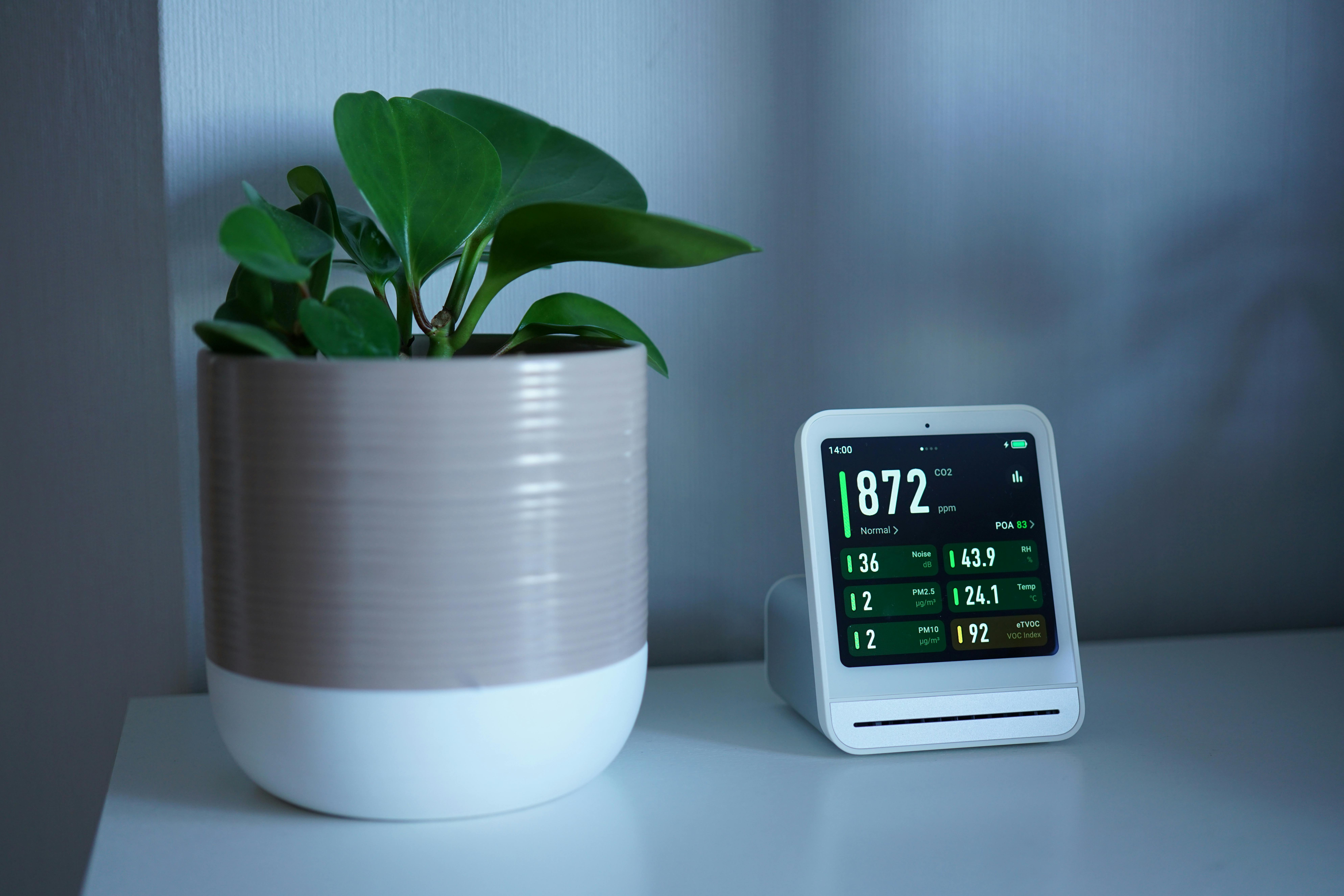
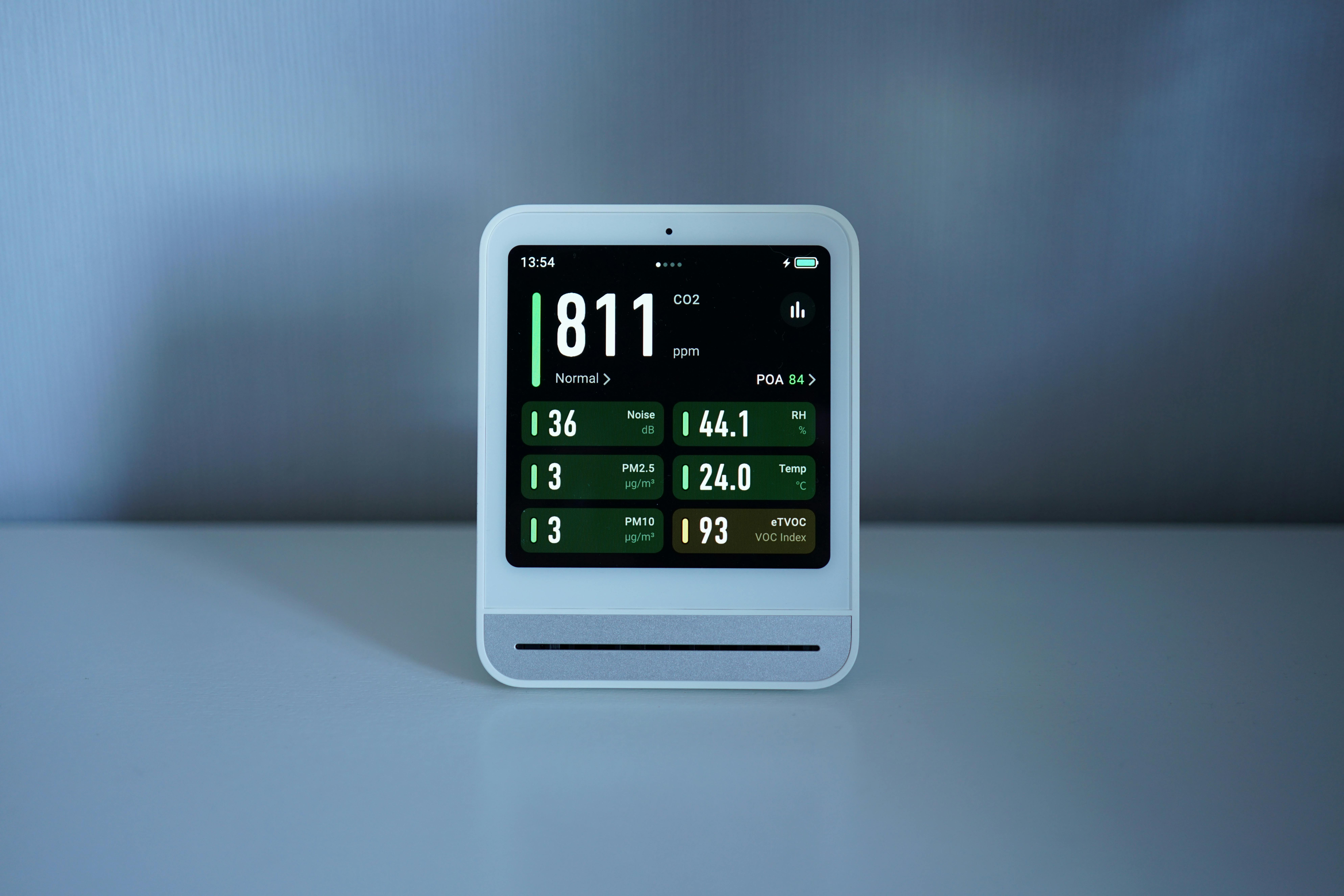
Beyond citywide monitoring networks, portable and personal air quality monitoring devices bring pollution awareness to the individual level. These compact units enable people to assess their immediate environment and make informed decisions about outdoor activities, commuting routes, and home ventilation strategies.
Wearable air quality monitors and smartphone-connected sensors provide personalized exposure data that helps individuals with respiratory conditions manage their health more effectively. Asthmatics, for example, can avoid outdoor exercise when their personal monitors detect elevated ozone levels that might trigger symptoms.
Home and office air quality monitoring allows people to optimize indoor ventilation based on outdoor pollution levels. When external NO₂ or O₃ concentrations spike, smart ventilation systems can reduce outdoor air intake and increase filtration to protect indoor air quality.
⚡ The Technology Evolution: What’s Next for Air Quality Monitoring
Continuous innovation in sensor technology, data analytics, and connectivity promises even more powerful air quality monitoring capabilities in the coming years. Artificial intelligence and machine learning algorithms already enhance pollution forecasting by identifying complex patterns in historical data and meteorological conditions.
Internet of Things (IoT) integration enables seamless communication between monitoring devices, urban infrastructure, and personal devices. This interconnected ecosystem creates responsive cities that automatically adjust to changing air quality conditions through traffic management, public alerts, and building ventilation controls.
Nanotechnology advances drive the development of increasingly sensitive, selective, and miniaturized sensors capable of detecting pollutants at lower concentrations with greater accuracy. These next-generation monitors will enable detection of pollution events before they reach levels harmful to human health.
Satellite and Ground Monitoring Synergy
The combination of satellite-based remote sensing and ground-level monitoring networks creates comprehensive three-dimensional air quality assessment systems. Satellites provide broad coverage and regional pollution transport patterns, while ground monitors deliver precise local measurements and validation data for satellite retrievals.
This multi-scale approach improves pollution forecasting accuracy and helps identify sources of long-range pollution transport that affect urban air quality. Understanding how pollution from distant sources impacts local conditions informs regional cooperation on emission reduction strategies.
🌍 Global Success Stories and Lessons Learned
Cities worldwide have implemented innovative air quality monitoring programs with measurable improvements in environmental health outcomes. These success stories provide valuable blueprints for communities beginning their own monitoring initiatives.
Copenhagen’s extensive network of air quality sensors integrated with cycling infrastructure helps cyclists choose routes with cleaner air. The system displays real-time air quality information at major intersections, empowering residents to make healthier transportation choices while promoting active mobility.
London’s low emission zone, enforced through comprehensive monitoring, has achieved significant reductions in nitrogen dioxide concentrations across central districts. The data-driven approach demonstrates how monitoring technology enables effective policy implementation and compliance verification.
Several Asian megacities have deployed thousands of low-cost sensors to create unprecedented spatial resolution in air quality mapping. These dense networks reveal micro-scale pollution variations that inform highly targeted interventions in the most affected neighborhoods.
🚀 Building Your Community’s Monitoring Program
Communities interested in establishing NO₂ and O₃ monitoring programs can start with pilot projects that demonstrate value before scaling to comprehensive networks. Partnerships between local governments, universities, environmental organizations, and community groups often provide the expertise and resources needed for successful implementation.
Starting with a limited number of strategically placed monitors in high-priority areas allows communities to develop data management systems, public communication strategies, and response protocols before network expansion. This phased approach also builds public support through demonstrated benefits.
Engaging local residents in citizen science monitoring initiatives creates ownership and sustained commitment to air quality improvement. Training community members to maintain sensors, interpret data, and advocate for cleaner air transforms monitoring from a technical program into a grassroots movement.

✨ Breathing Easier: The Path Forward
The proliferation of accessible, accurate NO₂ and O₃ monitoring modules represents a transformative development in urban environmental management. These technologies democratize air quality information, empower evidence-based decision-making, and enable cities to track progress toward cleaner, healthier atmospheric conditions.
As monitoring networks expand and technology continues to advance, our understanding of urban air pollution deepens. This knowledge drives innovation in emission reduction strategies, urban design principles, and public health protection measures that collectively improve quality of life for billions of city dwellers.
The investment in comprehensive air quality monitoring infrastructure pays dividends through reduced healthcare costs, improved productivity, enhanced property values, and the immeasurable benefit of healthier communities. Every breath of cleaner air represents progress toward sustainable urban futures where environmental health and human well-being flourish together.
The journey toward pristine urban air quality continues, guided by the precise measurements of nitrogen dioxide and ozone that reveal both challenges and opportunities. Through persistent monitoring, thoughtful action, and collective commitment, cities can transform from pollution hotspots into models of environmental stewardship where residents truly breathe easy.