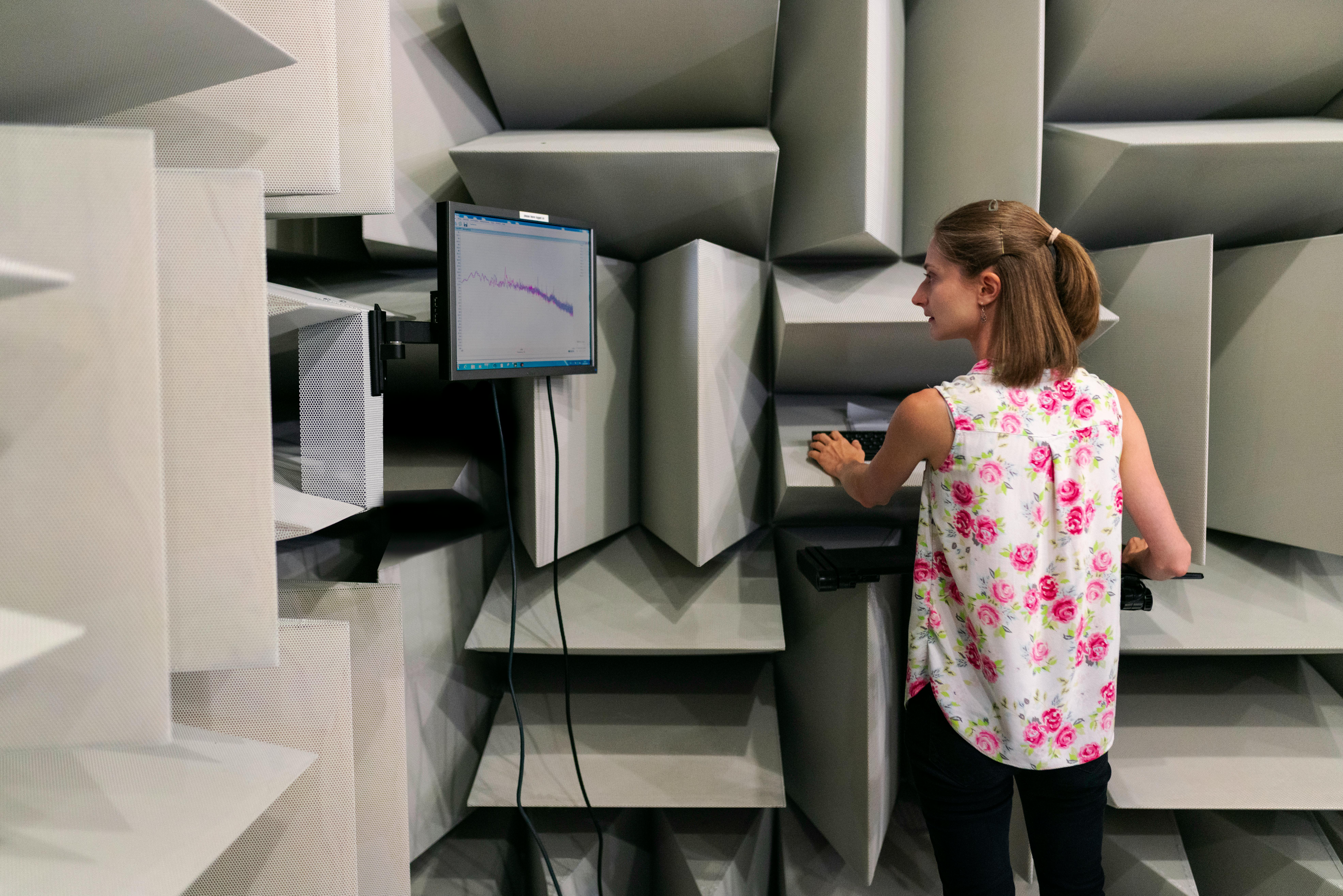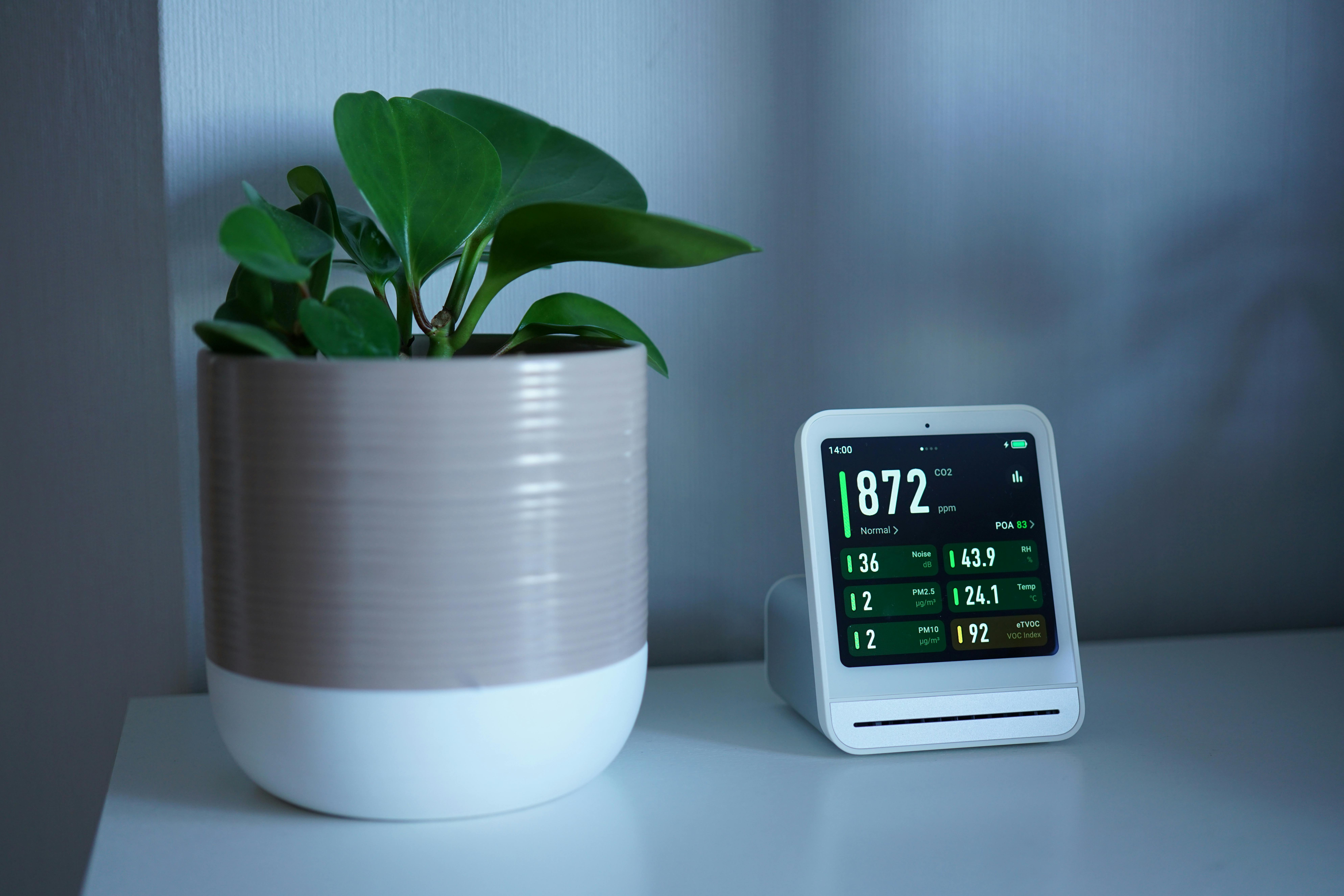
Indoor air quality has become a critical concern as we spend nearly 90% of our time indoors, making air-quality monitoring modules essential for healthier living spaces.

🌬️ Understanding the Air Quality Crisis in Our Homes
The air we breathe indoors is often more polluted than outdoor air, containing a complex mixture of particulate matter, volatile organic compounds (VOCs), carbon dioxide, and other harmful pollutants. These contaminants originate from cooking activities, cleaning products, building materials, furniture, and even our own breathing. The World Health Organization estimates that indoor air pollution contributes to millions of premature deaths annually, making it a silent but deadly threat to our well-being.
Modern air-quality monitoring modules have emerged as powerful tools in the fight against indoor pollution. These sophisticated devices measure various air parameters in real-time, providing actionable insights that help us make informed decisions about ventilation, air purification, and lifestyle adjustments. Understanding the different module families available on the market is crucial for selecting the right solution for your specific needs.
The Particulate Matter Detection Champions
Particulate matter sensors represent one of the most critical categories of air-quality modules. These devices detect tiny particles suspended in the air, categorized primarily as PM2.5 and PM10 based on their size in micrometers. PM2.5 particles are particularly dangerous because they can penetrate deep into the lungs and even enter the bloodstream, causing respiratory and cardiovascular problems.
Laser-Based Particle Counters
The most accurate particulate matter sensors utilize laser scattering technology. Popular module families like the Plantower PMS series, Sensirion SPS30, and Honeywell HPM series have become industry standards. These modules emit laser beams through the air sample, and sophisticated photodetectors measure the scattered light to determine particle concentration and size distribution.
The Plantower PMS5003 and PMS7003 have gained tremendous popularity among DIY enthusiasts and commercial product manufacturers alike. They offer excellent accuracy at an affordable price point, measuring both PM1.0, PM2.5, and PM10 with impressive consistency. The digital output via UART makes integration straightforward for developers working on IoT air quality monitoring solutions.
Meanwhile, the Sensirion SPS30 represents a premium option with superior longevity and calibration stability. This Swiss-engineered sensor maintains its accuracy for over eight years of continuous operation, making it ideal for permanent installations in smart buildings and industrial environments. Its self-cleaning functionality reduces maintenance requirements significantly.
Gas Sensing Module Families That Matter
While particulate matter gets considerable attention, gaseous pollutants pose equally serious health risks. Various sensor families specialize in detecting different gas types, from carbon dioxide and carbon monoxide to volatile organic compounds and nitrogen dioxide.
Carbon Dioxide Monitoring Solutions
CO2 sensors have become especially relevant in the post-pandemic world, as carbon dioxide levels serve as a proxy for ventilation effectiveness and viral transmission risk. The SCD series from Sensirion, including the SCD30 and the newer SCD40/41, uses photoacoustic sensing technology to provide accurate CO2 measurements without the drift issues that plague older NDIR sensors.
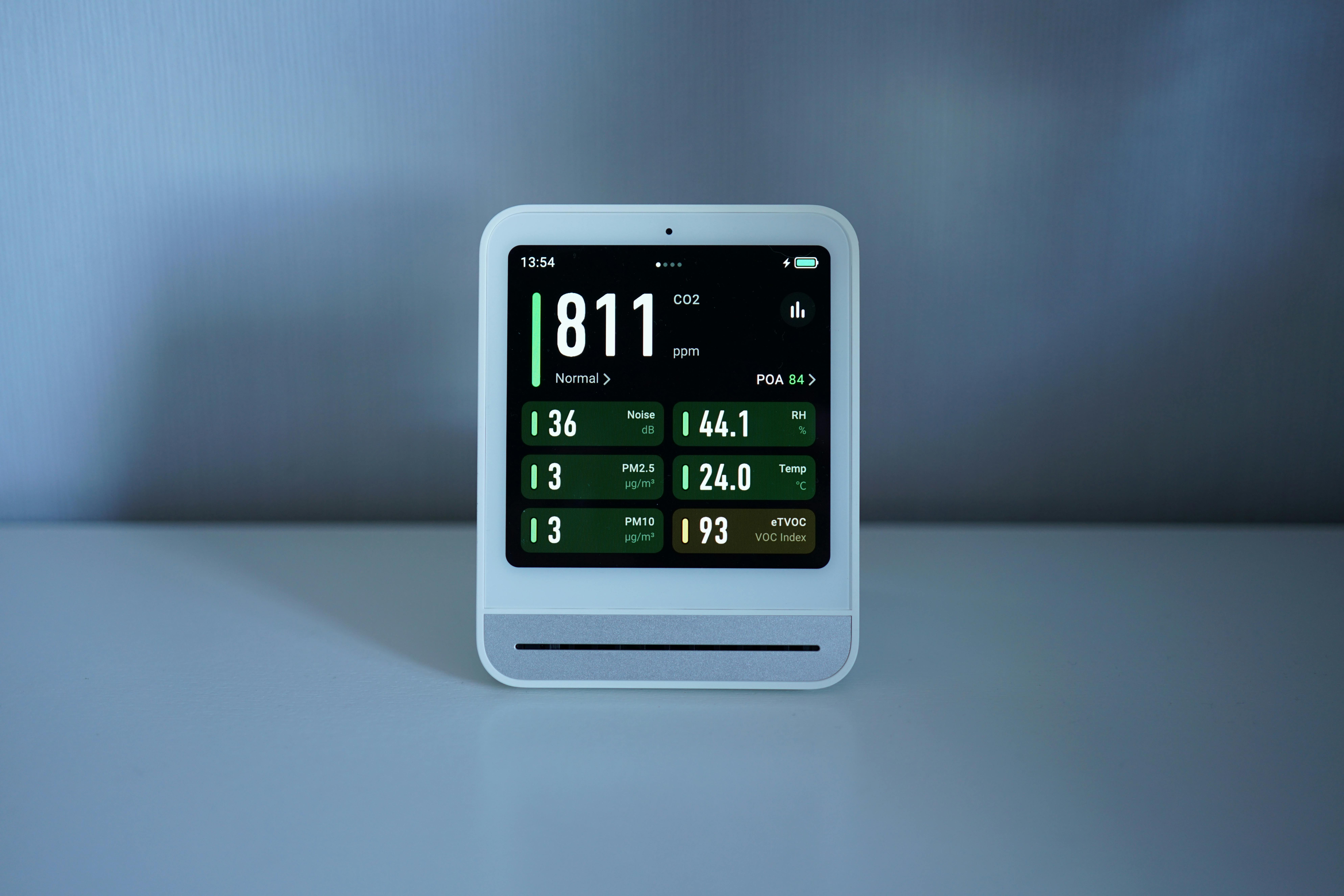
These modules measure CO2 concentrations from 400 ppm (typical outdoor levels) up to 5,000 ppm or higher. Maintaining indoor CO2 levels below 1,000 ppm ensures adequate ventilation and cognitive performance. Studies have shown that CO2 concentrations above 1,400 ppm can impair decision-making abilities and reduce productivity by up to 50%.
VOC Detection Technology
Volatile organic compounds represent a diverse group of chemicals that evaporate at room temperature, including formaldehyde, benzene, and toluene. The Bosch Sensortec BME680 and the Sensirion SGP series have revolutionized VOC monitoring by offering compact, low-power solutions suitable for battery-operated devices.
The BME680 combines VOC sensing with temperature, humidity, and pressure measurements in a single package, making it ideal for comprehensive environmental monitoring. Its AI-based air quality index simplifies interpretation for end users who may not understand individual pollutant readings. The newer SGP40 provides a simplified VOC index output, while the SGP30 offers separate eCO2 and TVOC measurements for more detailed analysis.
Multi-Parameter Environmental Sensing Modules
The trend in air quality monitoring has shifted toward comprehensive modules that measure multiple parameters simultaneously. These all-in-one solutions reduce component count, simplify integration, and provide correlated data that offers deeper insights into indoor environmental quality.
Integrated Environmental Sensors
The BME688 from Bosch Sensortec represents the cutting edge of multi-sensor integration. Building on the BME680’s foundation, it adds AI capabilities that can be trained to detect specific gases or odors. This opens possibilities for applications ranging from food freshness monitoring to early fire detection based on combustion byproducts.
Similarly, the AMS CCS811 combines a metal oxide gas sensor with a microcontroller to provide calculated eCO2 and TVOC values. While not as accurate as dedicated CO2 sensors for absolute measurements, it excels at detecting changes in air quality and triggering ventilation systems when needed. Its low cost and tiny footprint make it popular in consumer air purifiers and smart home devices.
🏠 Choosing the Right Module Family for Your Application
Selecting an appropriate air-quality module requires careful consideration of several factors beyond just technical specifications. Application requirements, budget constraints, and user expectations all play crucial roles in determining the optimal solution.
Residential Air Quality Monitoring
For home environments, user-friendly devices with simple interfaces work best. A combination of particulate matter sensing (PMS5003), VOC detection (BME680), and CO2 monitoring (SCD40) provides comprehensive coverage of the most common indoor pollutants. Many commercial air quality monitors for homes integrate these exact sensors or their equivalents.
Battery life becomes critical for portable or wireless home monitors. Low-power modules like the SGP40 and SCD41 enable months of operation on a single charge when paired with efficient microcontrollers and smart power management strategies. This convenience factor significantly improves user adoption and consistent monitoring habits.
Commercial and Industrial Applications
Commercial buildings, schools, and offices require more robust solutions with network connectivity and centralized management capabilities. The Sensirion SPS30 for particulate matter, combined with SCD30 for CO2 and dedicated electrochemical sensors for gases like NO2 and O3, provides laboratory-grade accuracy suitable for regulatory compliance and building certification programs.
Industrial environments may need specialized sensors resistant to harsh conditions, with wider measurement ranges and faster response times. Modules with industrial-grade communication protocols like Modbus RTU or 4-20mA analog outputs facilitate integration with existing building management systems and SCADA platforms.
Emerging Technologies Shaping the Future
The air quality monitoring field continues to evolve rapidly, with new technologies promising better accuracy, lower costs, and novel capabilities that were impossible just a few years ago.
Artificial Intelligence and Machine Learning Integration
Modern air quality modules increasingly incorporate AI algorithms directly on the sensor. These intelligent sensors can distinguish between different pollution sources, predict trends, and automatically calibrate themselves based on environmental patterns. The BME688’s AI Studio allows developers to train custom models for specific detection scenarios without requiring cloud connectivity or powerful processors.
Machine learning also enables predictive maintenance, where sensors can identify their own degradation and alert users before accuracy suffers. This capability extends sensor lifespan and maintains data quality in long-term monitoring applications where manual calibration would be impractical or expensive.
Miniaturization and Cost Reduction Trends
Each sensor generation brings smaller form factors and lower power consumption. The latest modules measure just a few millimeters on each side while maintaining or improving performance compared to their predecessors. This miniaturization enables air quality monitoring in previously impossible locations, from wearable personal monitors to smartphone accessories.
Simultaneously, manufacturing scale and technological improvements continue driving costs downward. Sensors that cost hundreds of dollars a decade ago now retail for under ten dollars in quantity, democratizing air quality monitoring and making it accessible to consumers and developing markets worldwide.
Integration Challenges and Best Practices
Successfully implementing air quality modules requires more than just connecting wires and reading data. Several practical considerations can make the difference between a reliable monitoring system and a frustrating failure.
Proper Sensor Placement and Airflow
Sensor location dramatically affects measurement accuracy. Modules should be positioned away from direct pollution sources like cooking areas or bathrooms, yet in locations representative of the breathing zone. Adequate airflow across the sensor ensures fresh samples while avoiding drafts that might introduce measurement artifacts.
For particulate matter sensors, orientation matters. Most laser-based sensors function optimally when mounted horizontally, as gravity affects particle distribution within the measurement chamber. Following manufacturer guidelines for mounting orientation prevents systematic errors and ensures reliable long-term operation.
Calibration and Maintenance Considerations
While modern sensors feature improved stability, periodic calibration remains important for maintaining measurement accuracy. CO2 sensors benefit from baseline calibration in known clean air, while VOC sensors may require burn-in periods to stabilize readings. Particulate matter sensors need protection from dust accumulation that can block optical paths.
Some modules include automatic calibration features that use algorithmic approaches to maintain accuracy without manual intervention. The SCD30, for example, can perform automatic self-calibration by assuming that the lowest CO2 concentration measured over several days represents outdoor air at approximately 400 ppm.
Real-World Impact and Success Stories 🌟
The practical benefits of air quality monitoring extend far beyond mere numbers on a display. Countless individuals and organizations have transformed their indoor environments by leveraging these technologies.
Schools implementing comprehensive air quality monitoring have reported significant improvements in student attendance and test scores. By maintaining optimal CO2 levels through automated ventilation control, these institutions create environments conducive to learning and cognitive performance. Similar benefits appear in office settings, where companies have documented productivity gains of 5-15% after addressing air quality issues identified through continuous monitoring.
Healthcare facilities use advanced air quality monitoring to protect vulnerable patients and control infection transmission. Real-time particulate and pathogen monitoring enables rapid response to air quality events, potentially saving lives in critical care environments where every breath matters.
Building Your Own Air Quality Monitoring Solution
For technically inclined individuals, creating a custom air quality monitor offers ultimate flexibility and valuable learning opportunities. Popular platforms like Arduino, ESP32, and Raspberry Pi provide accessible entry points for DIY projects.
A basic setup might combine a PMS5003 particulate sensor ($15), SGP40 VOC sensor ($10), and BME280 temperature/humidity sensor ($5) with an ESP32 microcontroller ($8). This combination provides comprehensive air quality monitoring with WiFi connectivity for under $40 in components. Free libraries and abundant online tutorials make software development straightforward even for beginners.
More ambitious projects integrate multiple sensors throughout a building, create historical databases for trend analysis, and implement automated control systems that adjust ventilation or air purification based on measured parameters. Open-source platforms like ESPHome and Home Assistant simplify these advanced integrations while maintaining flexibility for customization.
Making the Investment in Cleaner Air
The cost of air quality monitoring has decreased dramatically, but the value of clean air remains priceless. Whether you choose a commercial device or build your own solution, the investment pays dividends in health, comfort, and peace of mind.
When selecting products, prioritize sensors with proven accuracy and reliability over marketing claims. Look for devices using recognized sensor families from reputable manufacturers like Sensirion, Plantower, Bosch, or Honeywell. Read independent reviews and verify that calibration information and technical specifications are available.
Remember that monitoring alone doesn’t improve air quality—action based on measurements creates change. Pair your monitoring system with appropriate interventions: improved ventilation, air purifiers for particulate removal, source control for VOCs, and lifestyle adjustments based on identified patterns. The most sophisticated sensor provides no benefit if its data doesn’t inform decisions and drive improvements.
Taking Your Next Breath with Confidence
Indoor air quality monitoring has evolved from an industrial necessity to an accessible tool for anyone concerned about their health and environment. The diverse families of air quality modules now available offer solutions for every application, budget, and technical skill level.
Whether you’re a homeowner seeking peace of mind, a facilities manager responsible for hundreds of occupants, or a developer creating the next generation of smart building technology, understanding these sensor families empowers better decisions. By matching module capabilities to your specific needs and implementing proper monitoring practices, you can transform invisible threats into visible, manageable data.
The journey to better indoor air begins with awareness. These remarkable modules provide the eyes and ears we lack for detecting invisible pollutants, turning abstract concerns into concrete measurements that drive meaningful action. As sensor technology continues advancing and awareness grows, we move toward a future where everyone can breathe easy, confident that the air in their indoor spaces supports rather than threatens their health and well-being.