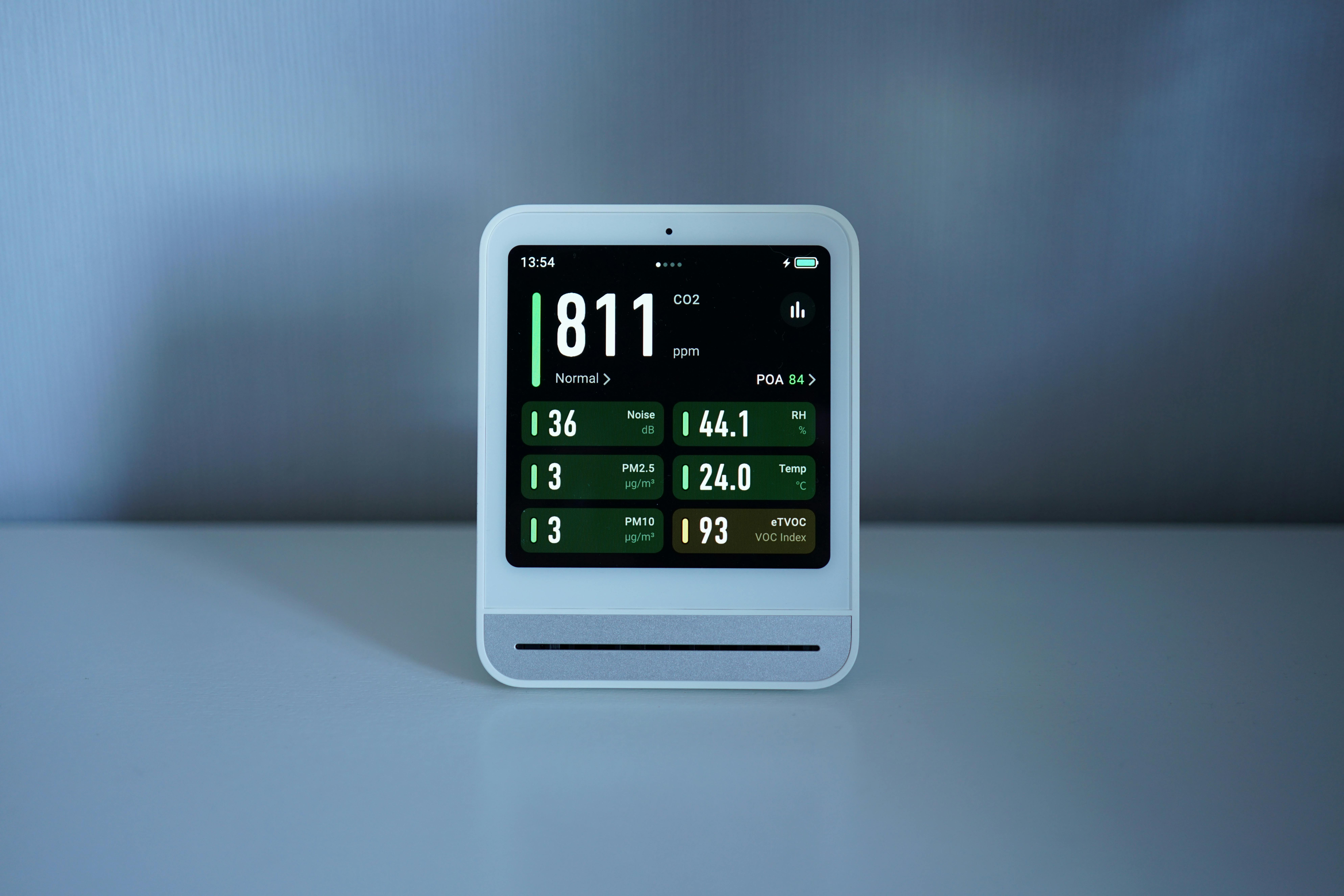
Indoor air quality plays a crucial role in our health and wellbeing, yet it remains an invisible threat that many overlook until problems arise.

🏠 Understanding the Hidden Dangers Lurking in Your Indoor Air
The air inside our homes and workplaces can be two to five times more polluted than outdoor air, according to environmental health studies. This shocking reality stems from various sources: cleaning products, furniture, paint, building materials, and everyday activities that release volatile organic compounds (VOCs) into our living spaces. These invisible chemical vapors can cause headaches, dizziness, respiratory issues, and long-term health complications when exposure is prolonged.
Modern buildings, designed for energy efficiency with tight seals and minimal ventilation, inadvertently trap these pollutants inside. While this approach saves energy, it creates an environment where harmful substances accumulate, often reaching concentrations that significantly exceed outdoor pollution levels. The COVID-19 pandemic heightened awareness about indoor air quality, but the conversation often focused on viruses while overlooking the persistent chemical threats that exist regardless of infectious diseases.
Volatile organic compounds represent a diverse group of carbon-based chemicals that easily evaporate at room temperature. Common household items like air fresheners, scented candles, new furniture, carpets, and electronic devices continuously emit these compounds. Even activities such as cooking, using personal care products, or storing gasoline-powered equipment indoors contribute to VOC levels that can compromise health.
🔬 The Science Behind VOC Sensing Technology
VOC sensing modules have emerged as powerful tools for monitoring indoor air quality, utilizing sophisticated semiconductor and electrochemical sensors to detect harmful compounds. These compact devices measure total volatile organic compound (TVOC) levels in parts per billion (ppb) or parts per million (ppm), providing real-time data about air quality conditions.
Modern VOC sensors employ metal oxide semiconductor technology, where a heated sensing element changes electrical resistance when exposed to organic vapors. This resistance change correlates with VOC concentration, allowing the device to quantify pollution levels accurately. Advanced models can distinguish between different compound categories, offering insights into specific pollutant sources rather than just aggregate measurements.
The technological evolution in this field has made VOC sensing modules increasingly affordable and accessible for residential use. Early detection systems required laboratory equipment and professional operation, but today’s consumer-grade sensors deliver reliable measurements in compact, user-friendly formats. Integration with smartphone applications and smart home systems has further enhanced their practicality, enabling automated responses to air quality changes.
Key Components of Effective VOC Monitoring Systems
Understanding what makes a VOC sensor effective helps consumers choose appropriate solutions for their specific environments. Several critical features distinguish quality monitoring systems from basic alternatives:
- Sensor Accuracy: Precision in detecting low concentrations of VOCs ensures early warning before levels become harmful
- Response Time: Fast detection allows timely intervention when pollution sources are introduced
- Calibration Stability: Sensors that maintain accuracy over time without frequent recalibration provide consistent reliability
- Multi-Gas Detection: Capability to identify various compound types offers comprehensive environmental assessment
- Data Logging: Historical tracking reveals patterns and helps identify recurring pollution sources
- Alert Systems: Notifications enable immediate action when thresholds are exceeded
💡 Practical Applications for Healthier Living Spaces
Implementing VOC sensing technology transforms abstract air quality concepts into actionable information that directly improves health outcomes. Strategic placement of monitoring devices throughout living spaces provides comprehensive coverage, identifying problem areas and validating mitigation efforts.
Bedrooms deserve particular attention since we spend approximately one-third of our lives sleeping. VOC sensors in sleeping areas can detect off-gassing from mattresses, bedding, or recently painted walls that might disrupt sleep quality or cause morning headaches. Kitchen monitoring reveals cooking-related emissions, helping determine when ventilation is needed or when it’s time to replace aging gas appliances that may leak combustion byproducts.
Home offices have become increasingly important as remote work continues. VOC sensors in workspaces identify pollution from office equipment, printer emissions, or inadequate ventilation that could cause the afternoon fatigue many attribute to work stress. Nurseries and children’s rooms benefit tremendously from monitoring since children are particularly vulnerable to air quality issues due to their developing respiratory systems and higher breathing rates relative to body size.
Creating an Effective Monitoring Strategy
Successful air quality management requires more than installing sensors—it demands thoughtful strategy and consistent attention to gathered data. Begin by establishing baseline measurements throughout your home during typical activity periods. This baseline provides context for interpreting future readings and identifying deviations from normal conditions.
Position sensors at breathing height rather than near floors or ceilings where stratification may cause misleading readings. Avoid placing devices directly beside windows, doors, or ventilation outlets where readings might not represent typical room conditions. Multiple sensors in larger homes provide better coverage than a single centrally-located unit, though budget constraints may require prioritizing high-use areas initially.
🌿 Integrating VOC Sensing with Air Quality Improvements
Monitoring alone doesn’t improve air quality—it simply reveals conditions that require intervention. The true value of VOC sensing emerges when detection capabilities combine with effective remediation strategies. Understanding your specific pollution sources enables targeted solutions rather than generic approaches that may not address your particular challenges.
When sensors detect elevated VOC levels, immediate actions include increasing ventilation through window opening or mechanical systems, identifying and removing pollution sources, and activating air purification devices. Natural ventilation remains the most effective and economical solution when outdoor air quality is good and weather permits, exchanging contaminated indoor air with fresh outdoor air at no energy cost beyond opening windows.
Mechanical ventilation systems with heat recovery provide year-round air exchange without excessive energy penalties. These systems exhaust stale indoor air while drawing in fresh outdoor air, using heat exchangers to minimize temperature impacts. VOC sensor integration with such systems enables automatic ventilation rate adjustments based on real-time air quality needs rather than fixed schedules that may ventilate excessively or insufficiently.
Smart Home Integration for Automated Protection
Modern smart home ecosystems enable VOC sensors to trigger automated responses without human intervention. When pollution levels exceed predetermined thresholds, connected systems can activate exhaust fans, adjust HVAC settings, send smartphone alerts, or activate air purification devices. This automation ensures protection even when occupants are unaware of air quality degradation or unable to respond immediately.
Integration with voice assistants allows hands-free air quality queries, making information accessible while cooking, working, or caring for children. Historical data visualization through companion applications reveals patterns that might not be apparent from momentary observations, such as weekly cooking peaks, seasonal variations, or correlations with specific activities or products.
📊 Understanding VOC Levels and Health Implications
Interpreting VOC measurements requires understanding the relationship between concentration levels and health effects. While individual sensitivity varies, general guidelines help assess risk and determine appropriate responses.
| TVOC Level (ppb) | Air Quality Status | Health Implications | Recommended Actions |
|---|---|---|---|
| 0-220 | Excellent | No irritation or discomfort expected | Maintain current practices |
| 220-660 | Good | Minimal risk for most individuals | Monitor for changes |
| 660-2200 | Moderate | Possible discomfort for sensitive individuals | Increase ventilation |
| 2200-5500 | Poor | Irritation and health concerns likely | Identify and remove sources |
| Above 5500 | Unhealthy | Significant health risks | Immediate action required |
These thresholds provide general guidance, but individual circumstances matter considerably. People with asthma, allergies, chemical sensitivities, or compromised immune systems may experience symptoms at lower concentrations than healthy adults. Pregnant women, infants, children, and elderly individuals represent vulnerable populations requiring extra protection through lower exposure limits.
🛒 Selecting the Right VOC Sensing Solution
The market offers diverse VOC monitoring options ranging from basic standalone sensors to comprehensive smart home air quality systems. Budget, technical requirements, and integration preferences guide selection decisions, but certain fundamental capabilities should factor into any choice.
Entry-level VOC monitors typically display readings on built-in screens with color-coded indicators showing air quality status at a glance. These affordable options suit renters or those wanting to test air quality monitoring without significant investment. Mid-range devices add smartphone connectivity, data logging, and alert capabilities while maintaining reasonable prices for most households.
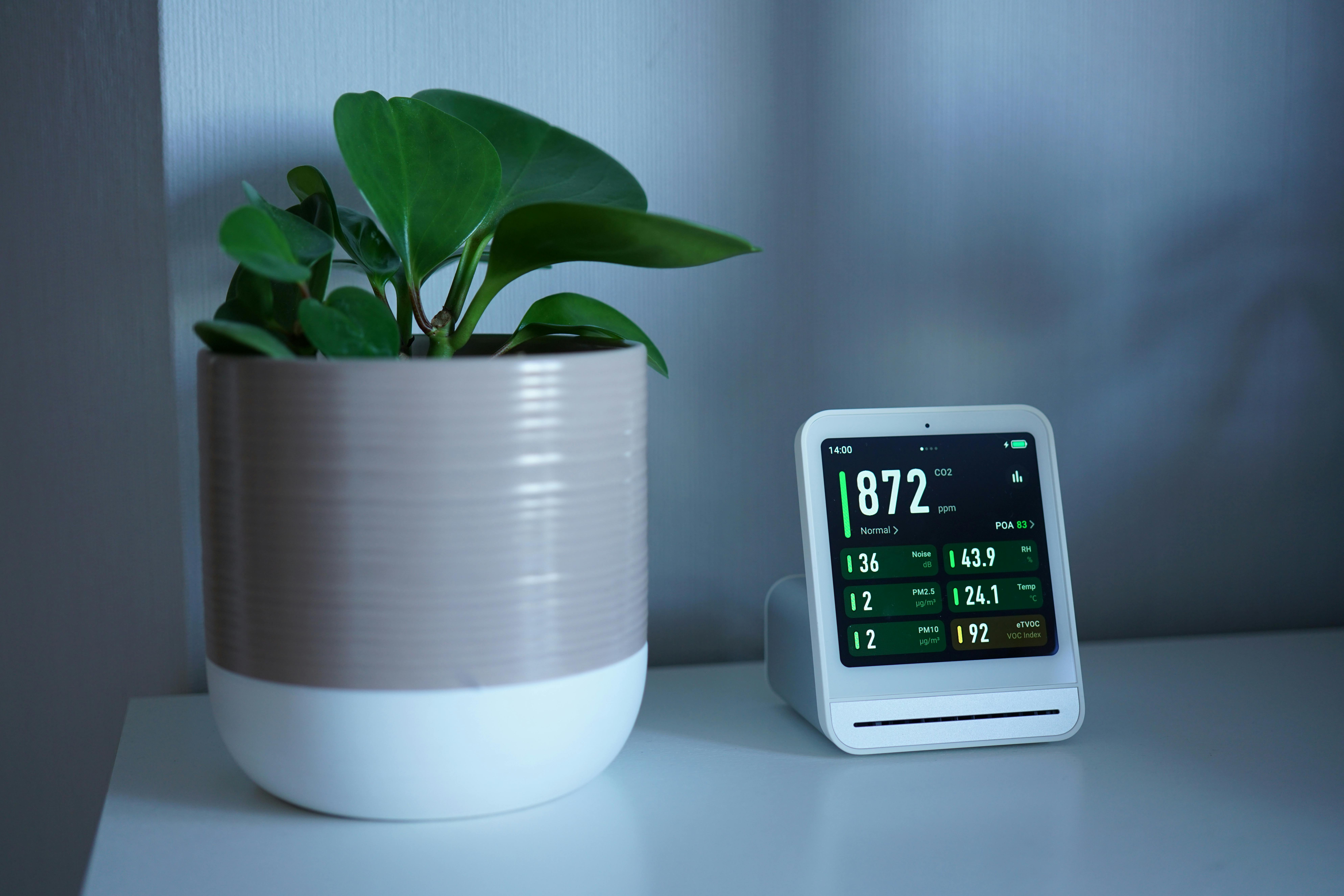
Premium systems incorporate multiple sensor types detecting VOCs, particulate matter, carbon dioxide, temperature, and humidity simultaneously. These comprehensive monitors provide holistic environmental assessment, revealing relationships between different factors that single-parameter devices miss. Professional-grade equipment offers laboratory-level accuracy and specific compound identification, though most residential applications don’t require such precision.
Installation and Maintenance Considerations
Most consumer VOC sensors require minimal installation—simply placing them in appropriate locations and powering them on. Battery-powered models offer placement flexibility without electrical outlet constraints, though regular battery replacement adds operational costs and maintenance requirements. Plugged units ensure continuous operation but limit positioning to areas near outlets.
Sensor maintenance primarily involves periodic cleaning to remove dust accumulation that can affect readings. Most manufacturers recommend gentle cleaning with soft, dry cloths quarterly or as needed based on environmental conditions. Avoid using cleaning chemicals near sensors as these substances can cause false readings or damage sensitive components.
Calibration requirements vary by model and technology. Some sensors self-calibrate automatically by establishing baseline readings during clean air periods, while others require manual calibration procedures or factory recalibration after extended use. Understanding your device’s calibration needs ensures continued accuracy throughout its service life.
🌍 Environmental and Economic Benefits of VOC Monitoring
Beyond immediate health advantages, VOC sensing contributes to environmental sustainability and economic efficiency. Identifying pollution sources enables targeted product substitutions, replacing high-emission items with low-VOC alternatives that reduce both health risks and environmental impacts. This conscious consumerism drives market demand for cleaner products, encouraging manufacturers to reformulate offerings with fewer harmful ingredients.
Energy efficiency improves when ventilation responds to actual air quality needs rather than operating continuously or on fixed schedules. Smart ventilation based on VOC sensing reduces heating and cooling energy consumption by minimizing unnecessary air exchange during periods when indoor air quality is acceptable. This optimization cuts utility costs while maintaining healthy environments, demonstrating that health and sustainability can align synergistically.
Property values increasingly reflect indoor environmental quality as buyers and renters become more health-conscious. Homes with documented air quality monitoring and mitigation systems command premiums in competitive markets, offering financial returns that offset initial investment costs. Landlords and property managers leveraging VOC sensing differentiate offerings in crowded rental markets while protecting tenant health and reducing liability risks.
🚀 The Future of Indoor Air Quality Management
Emerging technologies promise even more sophisticated air quality management capabilities. Artificial intelligence algorithms will analyze patterns across thousands of homes, identifying pollution sources and recommending personalized mitigation strategies based on specific circumstances. Machine learning models will predict air quality changes before they occur, enabling preemptive interventions rather than reactive responses.
Sensor miniaturization continues advancing, with future devices potentially integrating into light fixtures, smoke detectors, or HVAC systems as standard features rather than aftermarket additions. Wearable air quality monitors may provide personal exposure tracking, complementing stationary sensors by accounting for time spent in various locations throughout days and weeks.
Regulatory frameworks are evolving to address indoor air quality more comprehensively. Building codes increasingly incorporate air quality requirements, and certification programs reward developers who prioritize occupant health through superior environmental controls. These trends will make VOC sensing standard practice rather than optional enhancement, fundamentally shifting how we design, construct, and operate buildings.
🎯 Taking Action for Cleaner Indoor Air Today
Improving indoor air quality doesn’t require waiting for future innovations—effective tools and strategies exist now for immediate implementation. Starting with basic VOC monitoring provides visibility into current conditions and establishes baselines against which improvements can be measured. Even modest interventions yield noticeable health benefits, motivating continued efforts toward optimal air quality.
Begin by auditing household products for VOC content, replacing high-emission items with safer alternatives as replacements become necessary. Choose low-VOC or zero-VOC paints, adhesives, and finishes for renovation projects. Select furniture and building materials with environmental certifications indicating reduced chemical emissions. These incremental changes collectively transform indoor environments from pollution sources to health-supporting sanctuaries.
Establish ventilation routines that become habitual—opening windows during morning and evening when outdoor air quality typically peaks, running bathroom exhaust fans during and after showers, using kitchen ventilation while cooking. These simple practices dramatically reduce pollution accumulation without sophisticated equipment, though VOC sensors validate their effectiveness and identify when additional measures are needed.
The journey toward healthier indoor air is ongoing rather than a destination reached and forgotten. Continuous monitoring, learning, and adaptation ensure that living spaces evolve with changing needs, seasonal variations, and new scientific understanding. VOC sensing modules provide the foundation for this journey, transforming invisible threats into visible data that empowers informed decisions and meaningful improvements. Your health and that of your loved ones deserves this investment in environmental quality—the breath of fresh air that comes from truly understanding and controlling what you breathe every day.