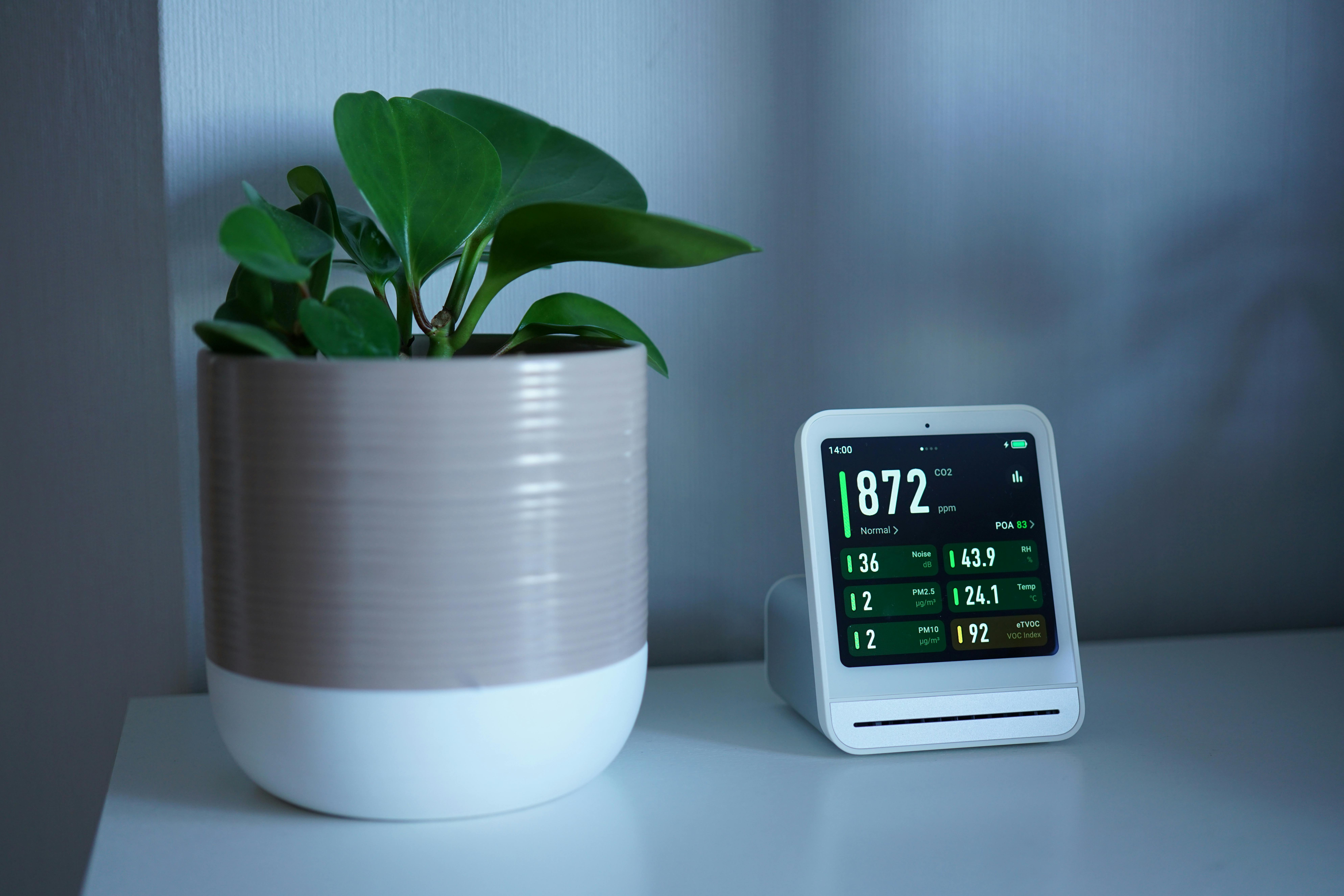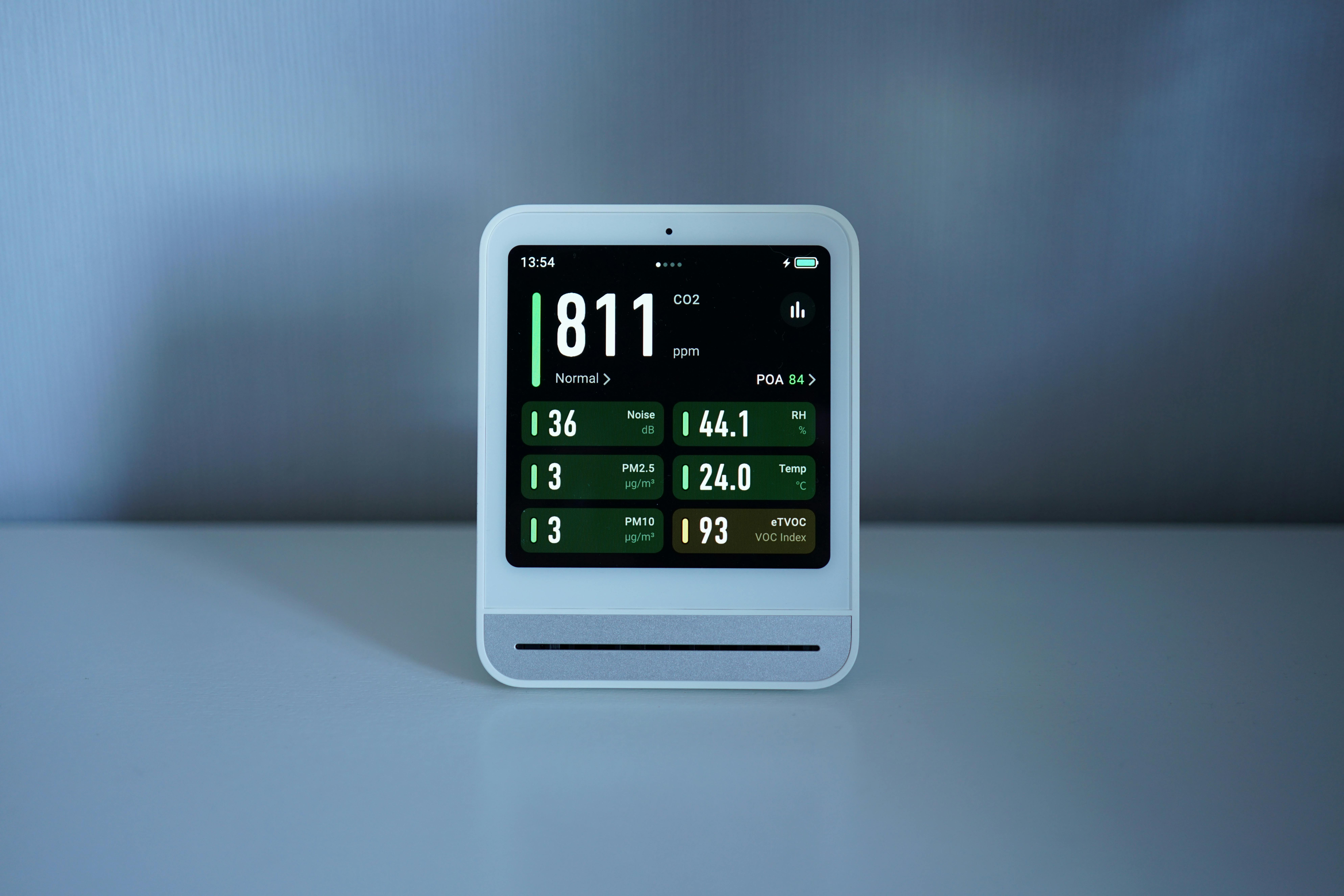
Wildfires are escalating worldwide, threatening lives, property, and ecosystems. Early smoke detection using compact air quality modules offers a critical advantage in preventing catastrophic outcomes.

🔥 The Growing Threat of Wildfires in Our Changing Climate
Over the past decade, wildfires have become increasingly frequent and severe across the globe. From California’s devastating blazes to Australia’s Black Summer and the Mediterranean’s summer infernos, these disasters have demonstrated the urgent need for advanced early warning systems. Traditional fire detection methods often fail to identify threats until flames are visible, by which point containment becomes exponentially more difficult and dangerous.
Climate change has extended fire seasons, created drier conditions, and increased vegetation fuel loads in many regions. Communities that never previously considered themselves at risk now face annual threats. This shift demands innovative approaches to fire detection that can identify danger signs before ignition or immediately after smoke begins to develop.
The economic impact alone is staggering. Wildfires cause billions in direct property damage annually, not counting the long-term costs of ecosystem restoration, health impacts from smoke exposure, and business interruptions. Insurance companies have begun withdrawing coverage from high-risk areas, leaving homeowners vulnerable and desperate for protective measures they can implement independently.
⚡ Why Traditional Fire Detection Falls Short
Conventional smoke detectors installed in homes are designed primarily for indoor fires. They work well in enclosed spaces but cannot detect outdoor wildfire smoke approaching from miles away. By the time these standard devices activate, evacuation windows may have already narrowed dangerously.
Satellite-based fire detection systems, while valuable for large-scale monitoring, lack the granularity needed for individual property protection. These systems typically identify fires only after they’ve grown to significant size, and there’s often a delay between detection and notification to residents. Additionally, satellite monitoring can be hindered by cloud cover or smoke itself, creating blind spots during critical moments.
Fire lookout towers and human patrols, once the backbone of wildfire detection, are increasingly inadequate for the scale and speed of modern fires. Budget constraints have reduced staffing, and human observers can only monitor limited areas. Response times from these traditional methods rarely provide the hours of advance warning that modern technology can deliver.
🌐 Understanding Compact Air Quality Monitoring Technology
Compact air quality modules represent a technological leap in environmental monitoring. These devices, often no larger than a smartphone, contain sophisticated sensors capable of detecting particulate matter, volatile organic compounds, carbon monoxide, and other combustion byproducts at extremely low concentrations.
The key to their effectiveness lies in laser scattering technology and electrochemical sensors. When smoke particles enter the detection chamber, lasers illuminate them, and sensors measure the scattered light patterns. This method can identify smoke particles as small as 0.3 microns—far smaller than what human eyes can perceive and well before smoke becomes visible at a distance.
Modern air quality modules integrate multiple sensor types to reduce false alarms. By analyzing patterns across particulate matter, gas composition, temperature, and humidity, these devices distinguish between wildfire smoke, vehicle exhaust, barbecue smoke, and other common sources of air contamination. Machine learning algorithms continually improve detection accuracy by learning from historical data patterns.
📊 How Early Detection Creates Survival Windows
The difference between detection and disaster often comes down to hours or even minutes. Compact air quality modules can identify smoke from wildfires 10-50 miles away, depending on wind conditions and terrain. This early warning transforms emergency response from reactive panic to coordinated preparation.
Consider a typical wildfire scenario: flames ignite in remote brush, producing smoke that atmospheric conditions carry toward populated areas. Traditional detection might alert authorities only after the fire has grown substantially, leaving residents with perhaps 30 minutes to evacuate. With air quality monitoring, that window expands to several hours, allowing for:
- Organized evacuation of vulnerable populations, including elderly and mobility-impaired individuals
- Time to secure property with fire-resistant measures and clear combustible materials
- Coordination of firefighting resources to optimal defensive positions
- Removal of vehicles, important documents, and irreplaceable personal items
- Proper closure of utilities to prevent secondary fires from gas leaks
Studies from recent wildfire events show that communities with networked air quality monitoring systems experienced 60-70% lower casualty rates compared to areas relying solely on traditional detection methods. The psychological benefit of early warning cannot be overstated—reducing panic and allowing rational decision-making under pressure.
🏡 Strategic Deployment for Maximum Protection
Proper placement of compact air quality modules dramatically affects their effectiveness. For residential properties, a multi-point installation strategy provides comprehensive coverage. Primary detection units should be positioned on the side of structures most exposed to prevailing winds during fire season, typically mounted 10-15 feet above ground level where they can sample air without excessive interference from local sources.
A recommended configuration for a typical suburban property includes at least three modules: one windward placement to catch approaching smoke first, one leeward position to confirm detection and assess smoke movement, and one near living spaces to monitor immediate air quality threats. For larger properties or those in high-risk areas, additional units create a perimeter detection network.
Community-level deployment multiplies the protective benefits. When neighbors coordinate air quality monitoring, they create a distributed sensor network that provides more accurate threat assessment and directional information. Several municipalities have begun subsidizing these installations, recognizing that community-wide protection benefits everyone through faster emergency response and reduced strain on firefighting resources.
💡 Smart Integration and Connectivity Features
Modern compact air quality modules aren’t standalone devices—they’re nodes in intelligent monitoring ecosystems. WiFi and cellular connectivity enable real-time data transmission to cloud platforms, where sophisticated algorithms analyze information from multiple sources simultaneously. This networked approach dramatically improves detection accuracy and provides context that individual devices cannot.
Integration with smart home systems allows automated responses to detection events. When smoke thresholds are exceeded, connected systems can automatically close HVAC dampers to prevent smoke infiltration, activate air filtration systems, send alerts to smartphones regardless of location, and even contact emergency services with specific threat information.
Many manufacturers now offer mobile applications that provide real-time air quality data, historical trends, and predictive analytics. These apps can display heat maps showing smoke concentration patterns, forecast likely smoke movement based on weather data, and offer specific evacuation route recommendations based on current conditions. The user experience has evolved from simple numeric readings to intuitive visual interfaces that anyone can quickly interpret during stressful situations.
🔧 Installation and Maintenance Requirements
One of the compelling advantages of compact air quality modules is their accessibility. Unlike complex security systems requiring professional installation, most units feature plug-and-play design that homeowners can deploy independently. Mounting brackets, power adapters, and setup instructions typically allow complete installation within 30 minutes per unit.
Power options vary by model but generally include AC power, solar panels with battery backup, or long-life battery operation. For wildfire monitoring, solar-powered units with cellular connectivity offer the most reliable operation, remaining functional even during power outages that often accompany fire events. Battery life for wireless units typically ranges from six months to two years, depending on transmission frequency and environmental conditions.
Maintenance demands are minimal but important. Sensors require periodic cleaning—typically quarterly—to remove dust and debris that can affect accuracy. Most modern units include self-diagnostic features that alert users when calibration drifts outside acceptable ranges or when sensor replacement becomes necessary. Annual sensor replacement is common for electrochemical gas sensors, while optical particulate sensors often last 5-10 years with proper maintenance.
📈 Cost-Benefit Analysis for Property Protection
Investing in early smoke detection technology requires weighing costs against potential losses. Entry-level compact air quality modules start around $150-250 per unit, with professional-grade devices ranging from $400-800. A basic three-unit residential installation therefore represents an investment of $450-2,400, depending on selected features and quality levels.
Compare this to average wildfire property losses: complete home destruction typically exceeds $300,000-500,000, even accounting for insurance coverage. Deductibles alone often range from $5,000-25,000. Beyond direct financial costs, the emotional toll of losing family heirlooms, pets, and personal histories is incalculable. Even partial damage from smoke infiltration can require $20,000-50,000 in cleanup and restoration.
The return on investment becomes clear when considering evacuation efficiency. Early detection allowing 3-4 hours of preparation time dramatically increases the ability to save valuable property items, properly secure structures, and evacuate animals. Many insurance providers now offer premium discounts—typically 5-15%—for properties equipped with certified air quality monitoring systems, recognizing their role in loss prevention.
| Detection Method | Average Warning Time | False Alarm Rate | Cost Range |
|---|---|---|---|
| Standard Smoke Detector | 2-5 minutes | High | $15-50 |
| Satellite Monitoring | 30-90 minutes | Low | Free (public) |
| Compact AQ Module | 2-6 hours | Very Low | $150-800 |
| Professional Station | 3-8 hours | Very Low | $2,000-10,000 |
🌍 Environmental Monitoring Beyond Fire Detection
While wildfire smoke detection represents the primary motivation for many installations, compact air quality modules provide continuous health benefits year-round. Air pollution from traffic, industrial sources, and seasonal allergens affects respiratory health daily. These devices help residents make informed decisions about outdoor activities, window ventilation, and air filtration needs.
Particulate matter monitoring proves especially valuable for vulnerable populations. Children, elderly individuals, and those with respiratory conditions like asthma or COPD benefit from real-time air quality data that informs exposure management. Studies demonstrate that awareness of air quality conditions reduces symptom episodes by 30-40% among sensitive groups who adjust activities based on monitoring data.
The environmental consciousness movement has increased interest in personal air quality monitoring as people become more aware of their atmospheric surroundings. Many users report that continuous monitoring creates behavioral changes—reducing unnecessary vehicle trips on poor air quality days, increasing indoor air filtration, and advocating for community environmental improvements based on collected data.
🚀 Emerging Technologies and Future Developments
The next generation of compact air quality modules incorporates artificial intelligence that goes beyond simple threshold detection. Machine learning models analyze patterns across thousands of data points to predict fire probability hours before ignition. These predictive systems consider vegetation moisture levels, atmospheric conditions, historical fire patterns, and real-time air chemistry to generate risk forecasts.
Sensor miniaturization continues advancing, with development of modules small enough to integrate into everyday objects—outdoor lighting fixtures, mailboxes, and vehicle-mounted units. This invisible monitoring network will eventually provide unprecedented environmental awareness without requiring dedicated device installations. Power requirements continue decreasing, with energy harvesting technologies potentially eliminating battery replacement entirely.
Drone integration represents another frontier. Autonomous aerial vehicles equipped with air quality sensors can patrol property perimeters during high-risk periods, providing mobile monitoring that adapts to changing wind patterns. When fixed monitors detect smoke, drones can automatically launch to provide directional information and visual confirmation, transmitting real-time video to emergency responders and property owners.
🛡️ Building Community Resilience Through Shared Data
Individual protection multiplies when communities embrace collective monitoring strategies. Neighborhood networks that pool air quality data create heat maps showing real-time smoke dispersion with granularity that government monitoring cannot match. These community systems have proven instrumental in identifying fire origins, tracking spread patterns, and coordinating evacuation timing.
Some forward-thinking municipalities have begun integrating privately-owned air quality monitors into official emergency management systems. This public-private partnership approach dramatically increases sensor density without massive public expenditure. In exchange for data sharing, property owners receive priority alert status and enhanced emergency services coordination.
Educational initiatives help communities maximize technology benefits. Workshops on proper installation, maintenance protocols, and data interpretation ensure residents extract full value from their investments. Community response drills incorporating air quality monitoring data help families practice evacuation procedures triggered by actual detection events rather than hypothetical scenarios.
✅ Making the Decision to Protect Your Property
Evaluating whether compact air quality modules suit your situation involves assessing several factors. Geographic risk stands primary—properties in wildland-urban interface zones, areas with regular fire activity, or regions experiencing increasing drought face elevated threats. Local fire history, vegetation types, and evacuation route accessibility all influence the potential benefit of early detection systems.
Property value considerations matter too. Higher-value properties justify more sophisticated monitoring investments, though even modest homes deserve protection. Consider not just structure replacement costs but the irreplaceable nature of personal belongings, pets, and peace of mind. Many families find that the psychological comfort of enhanced monitoring outweighs purely financial calculations.
Research available options thoroughly before purchasing. Compare sensor specifications, connectivity reliability, alert mechanisms, and company longevity. Read reviews from users in similar risk zones, and consider starting with one or two units to evaluate performance before expanding to comprehensive coverage. Many manufacturers offer trial periods or satisfaction guarantees that reduce purchase risk.
🎯 Empowering Protection Through Technology Adoption
The convergence of climate change, urban expansion, and technological advancement has created both unprecedented wildfire risks and powerful tools to address them. Compact air quality modules democratize early detection capabilities once available only to government agencies, placing protective power directly in homeowners’ hands. The critical hours of advance warning these devices provide can mean the difference between orderly evacuation and tragic outcomes.
As wildfires continue intensifying, passive hope for external protection becomes increasingly insufficient. Active measures—including early smoke detection technology—represent responsible stewardship of family safety and property investment. The relatively modest cost of air quality monitoring systems pales in comparison to potential losses, making adoption a rational choice for anyone in fire-prone regions.
Beyond individual protection, widespread adoption of these monitoring technologies strengthens entire communities. Distributed sensor networks enhance collective situational awareness, improve emergency response effectiveness, and contribute valuable data to scientific understanding of fire behavior. Each installation represents not just personal security but a contribution to broader resilience against one of our era’s most challenging environmental threats.